Museum Exhibits
Athens, Greece
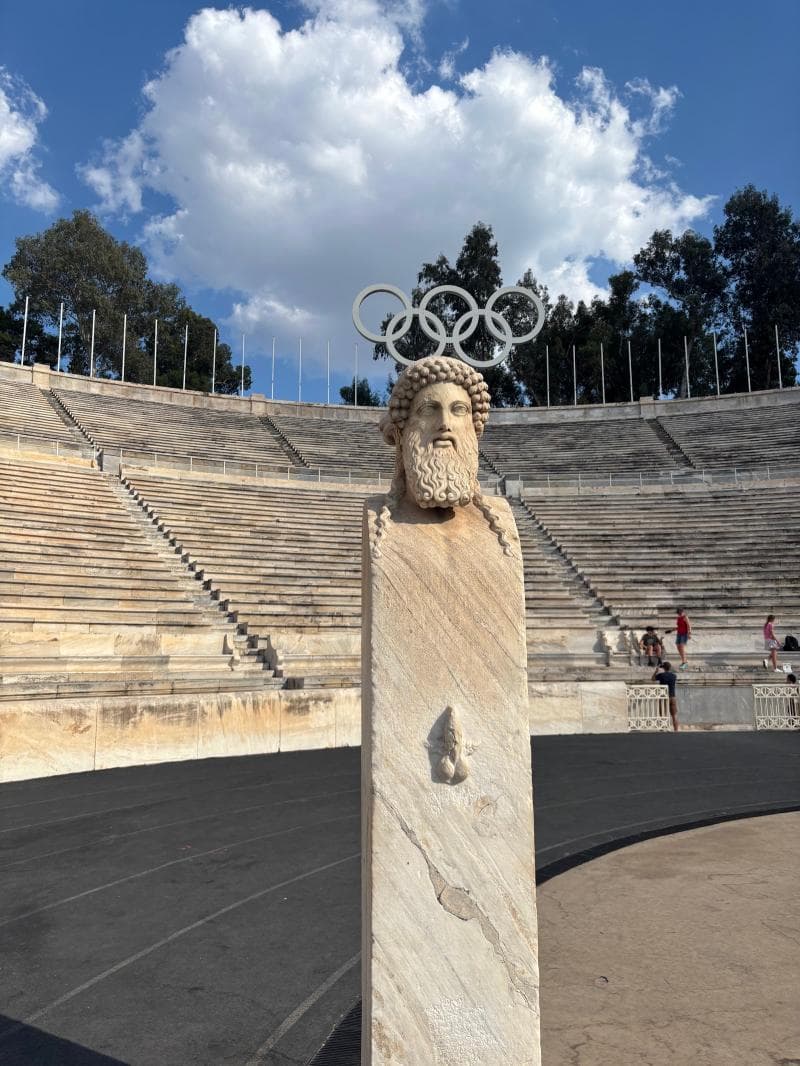
Explore the Panathenaic Stadium's 'Memories from Olympic Games' exhibit in Athens, Greece, showcasing Olympic torches and posters.
Overview
Nestled in the heart of Athens, Greece, the Panathenaic Stadium is not merely an ancient ruin but a living monument to athletic history. It stands as the world's only stadium built entirely of dazzling white marble, earning it the endearing local name 'Kallimarmaro', meaning 'beautifully marbled'. Beyond its impressive architecture, the stadium holds a special secret: a captivating museum exhibit housed within its vaulted passageway. This unique display, titled 'Memories from Olympic Games: Posters and Torches from 1896 till today', offers a tangible connection to the modern Olympic movement, complementing the stadium's ancient legacy.
A visit to the Panathenaic Stadium offers an immersive journey through time, allowing travelers to walk in the footsteps of ancient athletes and modern Olympians alike. The museum exhibit provides a compelling narrative, showcasing the evolution of the Olympic Games through a curated collection of artifacts. It's a journey that combines the grandeur of an ancient venue with the rich storytelling of Olympic heritage, making it an essential stop for anyone exploring Athens.
History & Cultural Background
The origins of the Panathenaic Stadium stretch back to the 6th century BC, when it began as a simple racecourse. Around 330 BC, the Athenian statesman Lykourgos transformed it into a more formal stadium for the Panathenaic Games, a grand religious and athletic festival held every four years in honor of the goddess Athena.
Centuries later, during the Roman era, the stadium underwent a spectacular metamorphosis. Between 140 and 144 AD, Herodes Atticus, a wealthy Athenian Roman senator, funded its complete reconstruction in magnificent Pentelic marble. This extensive renovation expanded its capacity to an estimated 50,000 spectators and gave it the distinctive horseshoe shape characteristic of Roman stadiums. Following the rise of Christianity in the 4th century, the stadium, along with many ancient festivals, fell into disuse and was largely abandoned.
The stadium lay buried for centuries until archaeological excavations began in the 19th century. A significant moment in its revival came with the Zappas Olympics in 1870 and 1875, early attempts to rekindle the Olympic spirit. However, it was its grand refurbishment in preparation for the first modern Olympic Games in 1896 that solidified its place in global history. The Panathenaic Stadium proudly hosted the opening and closing ceremonies, as well as several athletic events, marking the triumphant return of the Olympic tradition.
What Makes It Special
What truly sets the Panathenaic Stadium apart is its unparalleled status as the only stadium in the world constructed entirely from marble. This impressive material, sourced from Mount Penteli, the same quarry that provided marble for the Acropolis, gives the stadium a luminous quality that is breathtaking, especially under the Athenian sun. Its unbroken link to the Olympic Games, from antiquity to the present day, is also profound. Not only did it host the ancient Panathenaic Games and the inaugural modern Olympics, but it also served as an Olympic venue for archery and the marathon finish line during the Athens 2004 Games. Furthermore, it remains the site for the Olympic flame handover ceremony, connecting past, present, and future Olympic cities.
Adding another layer to its uniqueness is the subterranean vaulted passage, known as the 'diodos'. This ancient tunnel, predating Lykourgos's first stadium, leads to the museum exhibit and holds a fascinating history of its own, having been used by ancient oracles and even gladiators. The 'Memories from Olympic Games' exhibit inside this passage is a poignant collection of Olympic torches and posters from every modern Olympiad, providing a compelling visual timeline of the Games' global journey.
Stories, Fun Facts & Local Details
Imagine standing where history was made: visitors to the Panathenaic Stadium can literally run on the very track where the first modern Olympians competed in 1896. This is a truly special experience, allowing you to connect intimately with the spirit of sport. You can also stand on the winner's podium, mimicking the pose of victorious athletes, with the grand marble stands as your backdrop.
The stadium's nickname, 'Kallimarmaro', meaning 'beautifully marbled', perfectly encapsulates its aesthetic appeal. The glistening Pentelic marble reflects centuries of stories, from the cheers of ancient Greek spectators to the awe of modern-day visitors. The stadium's influence even extends beyond Athens; the Harvard Stadium in Boston, built in 1903, was notably modeled after the Panathenaic Stadium, as was the ambitious, though never completed, Deutsches Stadion in Nuremberg.
The ancient vaulted passage, which leads to the Olympic exhibit, is shrouded in intrigue. Known as the 'Hole of Fate', it was once believed to be used by ancient oracles and spiritual leaders for rituals. In Roman times, gladiators would have walked through this very tunnel before their contests. Even in later centuries, European travelers documented Athenian maidens performing magical rites within its enigmatic confines. These tales add a layer of mystical charm to the historical significance of the stadium.
Visitor Perspective
Stepping into the Panathenaic Stadium is an unforgettable experience, heightened by the presence of the 'Memories from Olympic Games' exhibit. As you enter the stadium, an audio guide, included with your ticket, enriches your exploration, available in multiple languages to bring the site's rich history to life.
The small but impactful museum, located within the cool, ancient vaulted passage beneath the stadium, serves as a fantastic supplement to the main venue. It's here that you can pause and admire a comprehensive display of Olympic torches, each a symbol of unity and global endeavor, alongside a vibrant collection of posters from various Olympic Games since 1896. This exhibit provides a powerful visual timeline, illustrating how the Olympic spirit has evolved and traveled across continents.
Visitors are encouraged to explore at their own pace, from walking the iconic track to ascending the marble seats, where you can take in panoramic views of Athens, including the Acropolis and the Parthenon. The combination of the stadium's monumental scale, its deep historical roots, and the personal touch of the Olympic exhibit creates a truly holistic and inspiring visit, connecting you to the enduring legacy of human athletic achievement.
Coordinates: 23.7411, 37.9683
View on Google Maps💬 How Travelers Describe This Place
Based on community votes
Interesting
953Beautiful
695Photogenic
658Must See
396Unique
22
Traveler Stories
Discover memorable experiences shared by travelers who have visited this place.
No traveler stories yet.
Be the first traveler to share what made this place memorable.

Tour
By
Spot
Discover amazing places around the world. Your journey starts here.
Explore
© 2026 TourBySpot. All rights reserved.