Tunnel Entrance
Athens, Greece
Overview
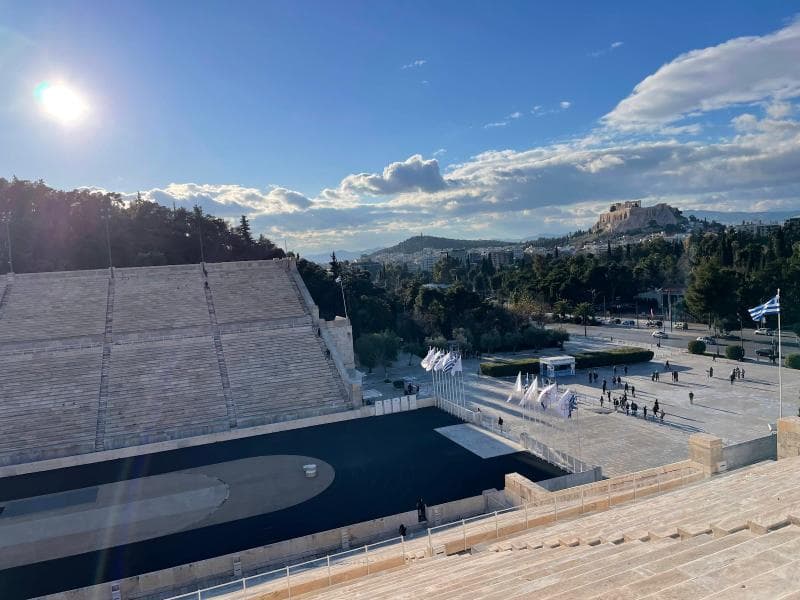
Deep within the heart of Athens, Greece, the majestic Panathenaic Stadium holds a secret passage known as the Tunnel Entrance, or 'Krypte Esodos' in ancient Greek. Often referred to as the 'Hole of Fate' due to centuries of local lore, this vaulted passageway is much more than a simple entry point. It represents a tangible link to the stadium's storied past, connecting visitors directly to the experience of athletes and figures from ancient times. Located on the east side of the iconic, all-marble stadium, this subterranean gallery beckons curious travelers to step back in time and explore the profound historical and emotional layers woven into its stone. It's a silent witness to millennia of history, from athletic triumphs to mythical rituals, making it an essential, albeit often overlooked, part of visiting the Panathenaic Stadium.
History & Cultural Background
The origins of the Tunnel Entrance trace back to the very first iteration of the Panathenaic Stadium. While the stadium itself was initially constructed around 330 BC by Lycurgus, an Athenian orator, a simple racecourse existed on the site even earlier. Ancient masons had already built this passageway, leading into the ravine where the stadium would later be established. This makes the tunnel one of the earliest attested vaulted structures in ancient Greece, dating securely to about 320 BC or even earlier.
Its primary purpose was functional: to serve as the entry and exit point for athletes participating in the Panathenaic Games, a grand festival held every four years in honor of the goddess Athena. Imagine the anticipation as competitors, poised to test their limits, emerged from this very tunnel into the roaring crowds of the stadium.
During the Roman era, when the stadium underwent significant renovation and was rebuilt entirely with white marble by Herodes Atticus around 144 AD, the tunnel's use expanded. It became the path through which gladiators and wild animals entered the arena for public spectacles. This shift highlights a dramatic change in the stadium's function, from pure athletic competition to Roman-style entertainment, yet the tunnel remained a crucial architectural element, adapting to new purposes while retaining its structural integrity. Remarkably, this subterranean passage has remained intact through successive reconstructions of the stadium, a testament to its robust ancient construction.
What Makes It Special
What truly sets the Tunnel Entrance apart is its incredible longevity and the diverse roles it has played throughout history. Architecturally, it stands as a testament to the engineering prowess of the ancient Greeks. Its vaulted design predates the widespread use of concrete, demonstrating advanced construction techniques of the era. It's not just an old tunnel; it's an engineering marvel that has withstood centuries of natural and man-made changes.
Today, the tunnel continues its legacy by leading visitors into a modern exhibition space. Inside, a museum showcases a collection of Olympic torches and posters from various Olympic Games throughout history. This transformation allows the ancient passage to remain relevant, connecting the stadium's ancient athletic heritage with its modern role in the Olympic movement. Every two years, for both the Winter and Summer Olympic Games, the Olympic flame begins its journey from Olympia, making a significant stop at the Panathenaic Stadium for the official handover ceremony, with the torch passing through this very site. This ritual imbues the tunnel with contemporary significance, linking past, present, and future Olympic aspirations.
Stories, Fun Facts & Local Details
The Tunnel Entrance is famously known as the 'Hole of Fate,' a nickname that emerged during the Middle Ages. During this period, the derelict passage became associated with various superstitions and magical beliefs. Popular legends claimed that the Fates themselves resided within the tunnel, and that oracles could be heard there. There were also rumors of witches choosing this mysterious location for their rites, creating an aura of intrigue that persisted for centuries. European travelers visiting Athens from the 17th to 19th centuries even wrote of young Athenian maidens performing magical rituals within the passage.
In earlier times, before the stadium was even fully developed, spiritual leaders reportedly walked through this passage before conducting ritual animal sacrifices in the ravine. The thought of oracles, ancient rituals, and the Fates themselves connected to this one space adds a layer of mystical charm that few other historical sites can claim.
For athletes in the ancient Panathenaic Games, emerging from the tunnel would have been a moment of profound significance. It was their dramatic entrance onto the field, a transition from the darkness of anticipation to the blinding light of glory and public scrutiny. This emotional journey, experienced by countless competitors over millennia, is still palpable today as visitors walk its length.
Visitor Perspective
Stepping into the Tunnel Entrance today offers a uniquely immersive experience. The vaulted corridor, just over 36 meters in length, provides a cool, shadowed respite from the Athenian sun and a powerful sense of transition. As you walk through, you can almost hear the echoes of gladiators' footsteps or the hushed murmurs of athletes preparing for their moment of glory. The tangible coolness of the ancient stones, the dim light filtering in from the stadium's interior, and the quiet reverence of the space create an undeniable connection to history.
Emerging from the 'Hole of Fate' places you directly onto the track of the iconic Panathenaic Stadium. From there, you are free to explore the marble seating, run on the historic track, and take in the panoramic views of this magnificent structure. The tunnel's pathway culminates in a small, well-curated museum, enriching your visit with visual displays of Olympic history. This journey from the ancient, mysterious passage to the vibrant modern Olympic exhibit perfectly encapsulates the enduring legacy of the Panathenaic Stadium, inviting every visitor to become a part of its unfolding story.
Coordinates: 23.741, 37.9683
View on Google Maps💬 How Travelers Describe This Place
Based on community votes
Interesting
551Unique
547Beautiful
336Photogenic
298Must See
219
Traveler Stories
Discover memorable experiences shared by travelers who have visited this place.
No traveler stories yet.
Be the first traveler to share what made this place memorable.

Tour
By
Spot
Discover amazing places around the world. Your journey starts here.
Explore
© 2026 TourBySpot. All rights reserved.