Olympic Podium
Athens, Greece
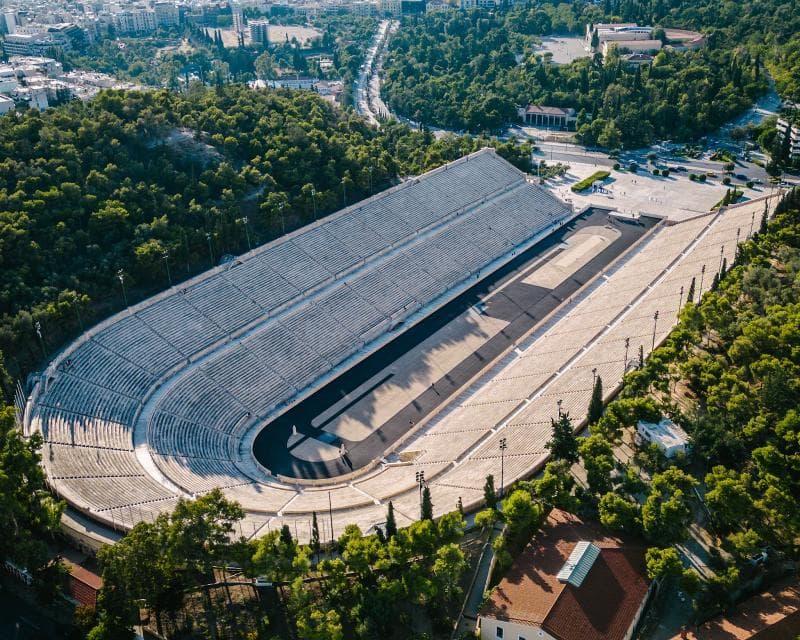
Discover the iconic Olympic Podium at the Panathenaic Stadium in Athens, Greece. Stand where champions were crowned and explore the marble birthplace of the modern Olympic Games.
Overview
Stepping into the Panathenaic Stadium in Athens, Greece, is to walk upon ground steeped in millennia of athletic history. Within this magnificent marble arena lies the symbolic heart of athletic triumph: the Olympic Podium. While not a freestanding monument of antiquity, the podium represents the culmination of countless dreams and arduous training, offering visitors a tangible connection to the spirit of the Olympic Games. This isn't just a site of ancient competitions; it's the very place where the modern Olympic movement was rekindled, and where the first champions stood victorious.
History & Cultural Background
The Panathenaic Stadium's story begins in the 4th century BC when the Athenian statesman Lycurgus constructed a racecourse for the Panathenaic Games, a grand religious and athletic festival honoring the goddess Athena. Originally, spectators sat on natural slopes, but in 144 AD, Herodes Atticus, a wealthy Roman senator, magnificently rebuilt it entirely of Pentelic marble, giving it a horseshoe shape and a capacity of around 50,000 spectators.
After centuries of abandonment and disrepair following the rise of Christianity, the stadium lay buried until archaeological excavations began in the 1830s and 1860s. The true revival came in preparation for the first modern Olympic Games in 1896. With significant funding from benefactor George Averoff, the stadium was meticulously reconstructed in white Pentelic marble, echoing its Roman-era splendor. This momentous reconstruction transformed a historical ruin into the vibrant stage for the rebirth of the Olympic ideal, making it the only stadium in the world built entirely of marble.
The Olympic Podium within this historic venue, though a modern addition to facilitate the ceremonies, stands on this ancient ground, representing the unbroken chain of athletic ambition and achievement from antiquity to the present day. It embodies the stadium's enduring legacy as a place where human excellence is celebrated.
What Makes It Special
The Panathenaic Stadium is unique globally for being constructed entirely from dazzling white Pentelic marble, the same material used for the Parthenon. This gives it a timeless, majestic quality that immediately transports visitors to another era. Its most profound special quality, however, lies in its role as the host of the opening and closing ceremonies, and several competitions, of the first modern Olympic Games in 1896. The Olympic Podium here is not merely a platform; it's a hallowed spot where the initial Olympic victors of the modern era were crowned, symbolizing the return of athletic competition to its spiritual home.
Beyond its 1896 significance, the stadium continues to play a vital role in the Olympic tradition. It serves as the finishing point for the Athens Classic Marathon, a race that retraces the legendary route of the ancient messenger. Moreover, it is the sacred site for the Olympic Flame handover ceremony to the host nation of every upcoming Olympic Games, making the podium a crucial stage in this enduring ritual. Standing on the Olympic Podium, one can feel the echoes of past triumphs and the anticipation of future glories, connecting personally with the global sporting phenomenon.
Stories, Fun Facts & Local Details
The stadium is affectionately known as 'Kallimarmaro', meaning 'beautifully marbled', a testament to its stunning construction. Imagine the roar of the crowd in 1896 as the first modern Olympic marathon winner, Spyridon Louis, a local Greek water-carrier, entered this very stadium to claim his victory, becoming a national hero. It's a tale of local pride interwoven with international glory. Visitors can often envision this momentous event when they step onto the track themselves.
Another fascinating detail is that while the stadium hosted many Olympic events, the work for the 1896 Games was so rushed that temporary wooden stands had to be installed because the marble construction wasn't fully completed. Today, when you visit, you have the unique opportunity to stand on the actual Olympic Podium, just like those champions, and even run a lap on the track. It's a truly immersive experience that allows you to feel the history underfoot.
Visitor Perspective
For any curious traveler, a visit to the Panathenaic Stadium is an unforgettable journey through time. As you approach, the sheer scale of the marble structure is breathtaking, a white horseshoe nestled between hills. Upon entering, an audio guide, often included with admission, enriches the experience, unveiling the stadium's multi-layered history.
The highlight for many is the chance to walk, or even jog, on the historic track itself. Standing on the Olympic Podium, with the vast marble seating tiers rising around you, offers a powerful moment for reflection and photography. It's a rare chance to embody the spirit of victory and achievement. From the upper rows of seats, particularly section 21, visitors are treated to panoramic views that include iconic Athenian landmarks like the Acropolis, the Parthenon, and Lycabettus Hill, framing the stadium within the wider historical tapestry of Athens. The experience is both educational and deeply emotional, connecting you directly to the ancient and modern Olympic legacy.
Coordinates: 23.741111, 37.968333
View on Google Maps💬 How Travelers Describe This Place
Based on community votes
Beautiful
673Photogenic
219Interesting
186Must See
143Unique
80
Traveler Stories
Discover memorable experiences shared by travelers who have visited this place.
No traveler stories yet.
Be the first traveler to share what made this place memorable.

Tour
By
Spot
Discover amazing places around the world. Your journey starts here.
Explore
© 2026 TourBySpot. All rights reserved.