Palais Des Nations
Geneva, Switzerland
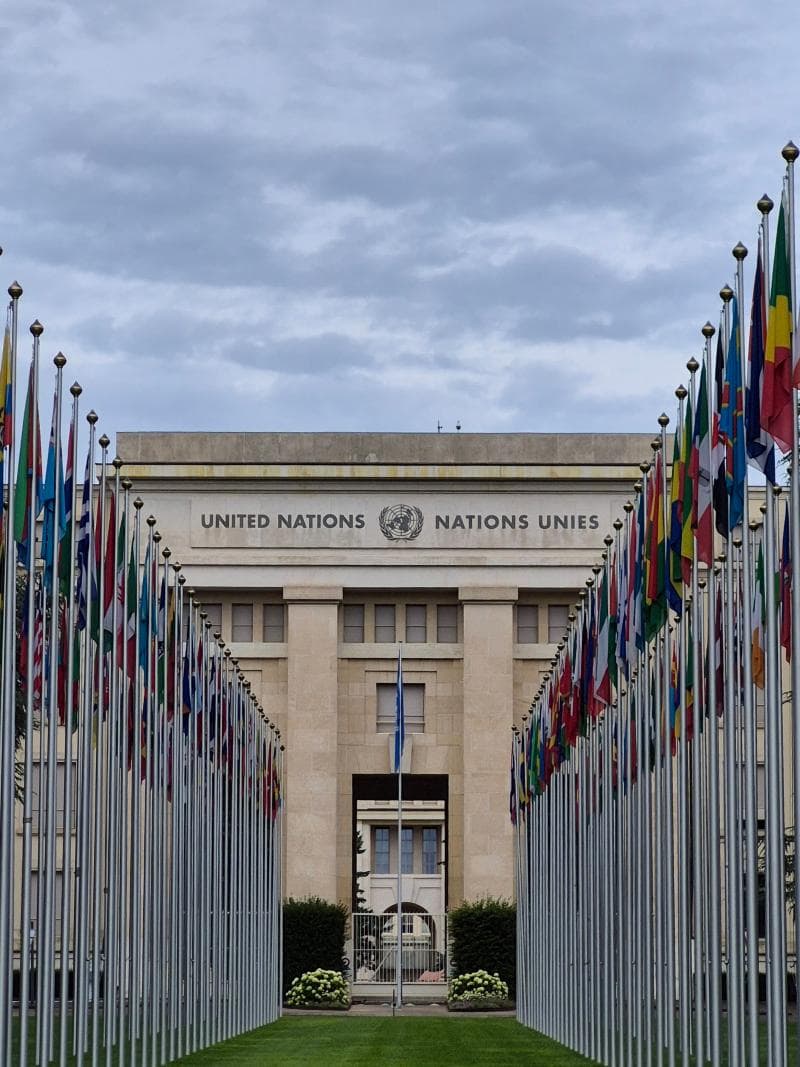
Explore the Palais des Nations in Geneva, Switzerland, the European headquarters of the UN. Discover its rich history, unique architecture, and global diplomatic significance.
Overview
Nestled amidst the lush greenery of Ariana Park in Geneva, Switzerland, the Palais des Nations stands as a monumental symbol of international diplomacy and cooperation. It serves as the European headquarters of the United Nations, a role it has held since 1946, making it the second-largest UN centre globally after New York. The impressive complex, an outstanding example of 20th-century architecture, offers visitors a unique glimpse into the heart of global decision-making. Originally constructed between 1929 and 1938, the Palais was designed to house the League of Nations, the predecessor to the UN. Today, it hosts thousands of intergovernmental meetings annually, addressing critical global issues from human rights to trade and disarmament. Its grand halls and chambers have witnessed countless historic negotiations, shaping the course of international relations for decades.
History & Cultural Background
The story of the Palais des Nations begins with the League of Nations, an organization born from the ashes of World War I with the ambitious goal of preventing future conflicts. Following an international architectural competition in 1926, five architects from different countries collaborated on the design, culminating in the construction of this 'Palace of Peace'. The foundation stone was laid on September 7, 1929, famously containing a casket with a list of League of Nations member states, a copy of the League's Covenant, and coins from countries represented at its Tenth Assembly. The League moved into its new headquarters in 1936. After the League's dissolution in 1946, its properties, including the Palais des Nations, were handed over to the newly formed United Nations Organization. While the UN's primary headquarters were established in New York, the Palais des Nations became its vital European office. Switzerland itself, though hosting this international hub, only joined the United Nations as a full member in 2002.
What Makes It Special
Beyond its historical significance, the Palais des Nations is remarkable for several reasons. Architecturally, it's a testament to the stripped classicism of its era, commanding views over Lake Geneva and the majestic French Alps. The complex is situated within the expansive 46-hectare Ariana Park, a public green space bequeathed to the City of Geneva in 1890 under the condition that it remain accessible to the public. The park itself adds to the Palais's unique atmosphere, featuring ancient trees, various artworks, and even resident peacocks, honoring one of the original bequest's conditions. Inside, the Palais houses an impressive art collection, with gifts from member states adorning its corridors and chambers. Notable features include the Council Chamber with frescoes by Spanish artist José-Maria Sert, and the Human Rights and Alliance of Civilizations Room, where a stunning, stalactite-like ceiling was created by Spanish artist Miquel Barceló. These artistic contributions not only beautify the space but also reflect the spirit of international collaboration.
Stories, Fun Facts & Local Details
The Palais des Nations is full of fascinating stories. For instance, the inclusion of a library in the original architectural plans was only possible thanks to a generous $2 million donation from John D. Rockefeller Jr., which necessitated a larger plot of land than initially planned. This led to the Palais finding its home in Ariana Park through an exchange with the City of Geneva. The park also contains the tomb of Gustave Revilliod de la Rive, who bequeathed it, and whose original conditions included ensuring peacocks would roam the grounds, a tradition still maintained today. The building was once the second-largest building complex in Europe after Versailles, highlighting its immense scale and ambition. In front of the Palais stands the impactful 'Broken Chair' sculpture, a 12-meter-high wooden chair with a shattered leg. This powerful monument, located on the Place des Nations, symbolizes the fight against landmines and cluster munitions, serving as a poignant reminder of humanitarian efforts and human rights. It's one of Geneva's most photographed landmarks and a strong symbol of peace.
Visitor Perspective
For curious travelers, the Palais des Nations offers an enriching experience. Guided tours, available in numerous languages, are the only way to explore the interior of this historic complex. These tours delve into the history and work of the United Nations, taking visitors through key areas such as the Assembly Hall – the largest room in the palace – and the Council Chamber. Due to ongoing renovations, tour routes can be subject to change, so it's advisable to check the official UN Geneva website for the latest information and to book in advance, especially since capacities can be limited. Visitors are required to carry a valid passport or, for Schengen Zone residents, an ID card for entry. While visitors cannot park inside the premises, underground parking is available nearby at the Place des Nations. Exploring the Palais offers a unique opportunity to connect with global history and diplomacy in a truly inspiring setting.
Coordinates: 6.14056, 46.22667
View on Google Maps💬 How Travelers Describe This Place
Based on community votes
Photogenic
446Unique
152Interesting
33Must See
30Beautiful
16
Traveler Stories
Discover memorable experiences shared by travelers who have visited this place.
No traveler stories yet.
Be the first traveler to share what made this place memorable.
Things to see at Palais Des Nations



Tour
By
Spot
Discover amazing places around the world. Your journey starts here.
Explore
© 2026 TourBySpot. All rights reserved.