Ariana Park
Geneva, Switzerland
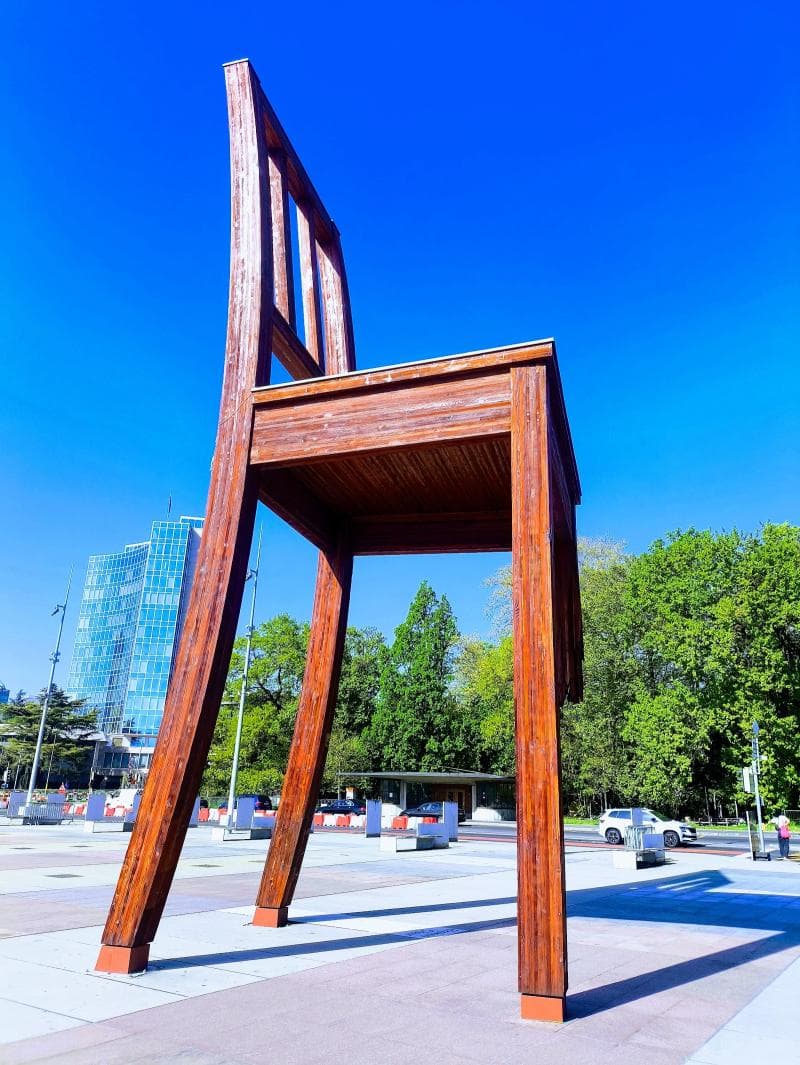
Explore Ariana Park, a serene 46-hectare oasis within Geneva's Palais des Nations, Switzerland. Discover its rich history, peacocks, and iconic sculptures.
Overview
Nestled within the distinguished grounds of the Palais des Nations in Geneva, Switzerland, Ariana Park offers a serene and picturesque escape. This expansive 46-hectare green oasis is not merely a beautiful landscape; it is a significant historical and cultural landmark, providing a tranquil counterpoint to the international diplomacy conducted within its borders. Visitors to Ariana Park can immerse themselves in lush natural beauty while enjoying breathtaking views of Lake Geneva and the majestic Mont Blanc. The park serves as a public space, welcoming curious travelers and locals alike to explore its diverse flora, historical monuments, and unique residents, the famed peacocks.
Ariana Park seamlessly blends natural splendor with rich history, inviting exploration and quiet reflection. Its pathways wind through ancient trees and vibrant flower beds, creating an atmosphere of peace that feels far removed from the bustling city, yet it remains easily accessible.
History & Cultural Background
The story of Ariana Park is deeply intertwined with the legacy of Gustave Revilliod, an affluent Genevan art collector and the last descendant of the Revilliod de Rive family. In 1890, Revilliod bequeathed his vast estate, including the park, to the City of Geneva with two remarkable conditions: the park must always remain accessible to the public, and he himself was to be buried within its tranquil confines.
Revilliod's sarcophagus rests discreetly beneath an oak tree, a testament to his enduring affection for Geneva. This generous act laid the foundation for what would become a site of global significance. The city, honoring Revilliod's wishes, subsequently made the park available first to the League of Nations, and later to the United Nations, for the construction of its European headquarters, the Palais des Nations. This arrangement ensures that the spirit of public access, a core tenet of Revilliod's bequest, continues to this day, even as the park hosts one of the world's most important international organizations. The park's name itself derives from Revilliod's mother, a personal touch linking the present to a deeply rooted past.
What Makes It Special
Ariana Park's uniqueness stems from its harmonious blend of diplomatic significance, natural beauty, and artistic expression. It is one of Geneva's largest and most prestigious parks, offering a diverse landscape that includes ancient trees, sprawling lawns, and meticulously maintained flower beds. The park holds a prestigious 'Nature Reserve Certificate' from the Swiss non-profit Fondation Nature & Economie, acknowledging its commitment to protecting nature and fostering biodiversity. The park actively avoids pesticides and utilizes sustainable practices like composting and even employing sheep for lawn maintenance, showcasing a dedication to environmental stewardship.
Beyond its ecological value, Ariana Park is a living gallery of international art and symbolism. Here, visitors encounter powerful sculptures such as the 'Broken Chair,' an iconic anti-landmine monument, and the 'Celestial Sphere,' a striking spherical sculpture symbolizing peace and astronomy. Other notable artworks include 'The Great Centaur,' a gift from the Russian Federation, and 'The Conquest of Space' from the former Soviet Union, each adding layers of historical and cultural narrative to the landscape.
Stories, Fun Facts & Local Details
Perhaps the most enchanting residents of Ariana Park are its free-roaming peacocks, whose vibrant plumage and elegant presence captivate visitors. The tradition of peacocks in the park dates back to Gustave Revilliod's original estate, which included a menagerie. While some birds were a gift from a Japanese zoo in 1997, India has also contributed significantly, recently donating five new peacocks in 2026, including a rare white-feathered one, reviving a cherished tradition. These majestic birds are carefully tended by the park's gardeners and have become a beloved symbol of the park.
Another fascinating detail is the 17th-century Chalet de Montbovon, originally built in 1668. This historic chalet was transported from Montbovon to Geneva for the 1896 Swiss National Exhibition and later moved to Ariana Park by the Gustave Revilliod Foundation. Its walls still bear inscriptions in a 19th-century Franco-Provençal dialect, offering a glimpse into the past and an unexpected piece of Swiss heritage nestled within the park's international setting. These unique elements contribute to the park's emotional resonance, making it more than just a green space, but a place filled with stories.
Visitor Perspective
Visiting Ariana Park offers a uniquely tranquil and enriching experience. It is a haven for those seeking peaceful walks amidst beautiful trees, including century-old cedars, a remarkable oak, and an avenue of fragrant magnolias. In spring, the twenty Japanese cherry trees burst into spectacular pink blossoms, creating a breathtaking display. The park is an ideal spot for quiet contemplation, leisurely strolls, or simply enjoying nature's beauty.
While the park itself is freely accessible, tours are available for the Palais des Nations, which is situated within the park's expansive grounds, providing insight into the UN's work. Public transport is highly recommended for access, as visitors are generally not permitted to enter the UN premises by car or bicycle. Ariana Park's open spaces are also popular for picnics and provide ample room for relaxation, making it a perfect destination for anyone looking to connect with nature and history in the heart of international Geneva.
Coordinates: 6.140555, 46.226666
View on Google Maps💬 How Travelers Describe This Place
Based on community votes
Interesting
934Beautiful
879Unique
741Must See
396Photogenic
276
Traveler Stories
Discover memorable experiences shared by travelers who have visited this place.
No traveler stories yet.
Be the first traveler to share what made this place memorable.

Tour
By
Spot
Discover amazing places around the world. Your journey starts here.
Explore
© 2026 TourBySpot. All rights reserved.