National Museum Of Turkmenistan
Ashgabat, Turkmenistan
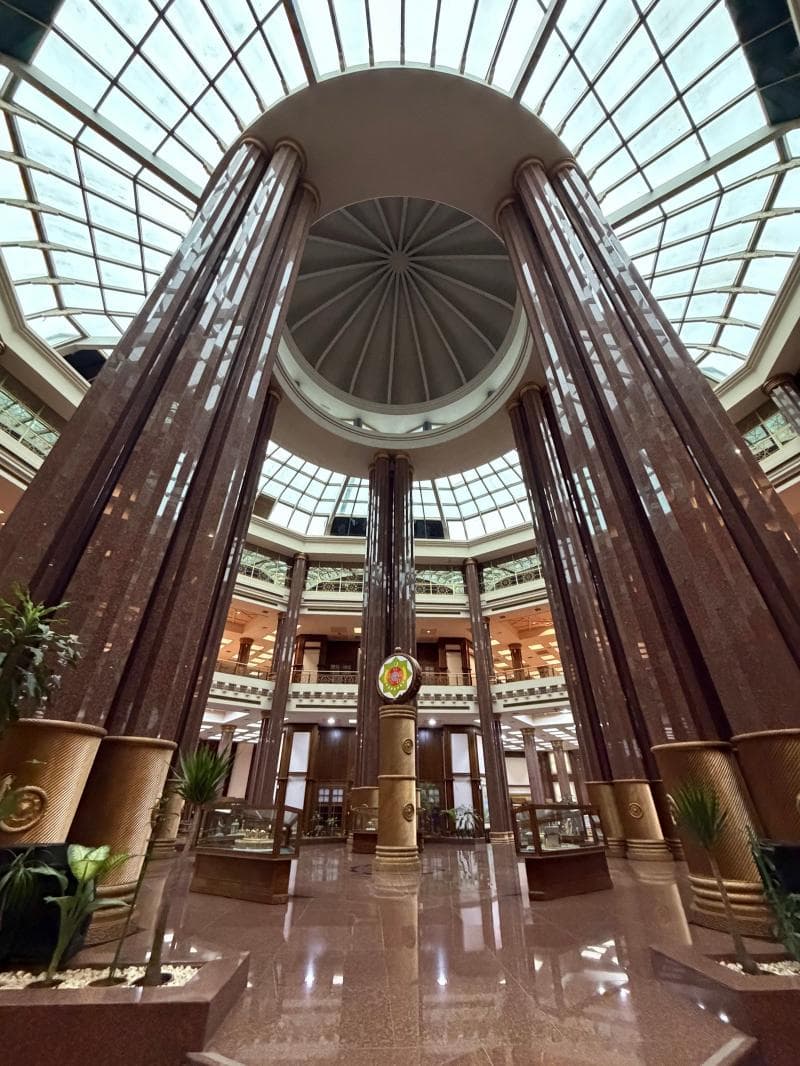
Explore the National Museum of Turkmenistan in Ashgabat, home to over 500,000 artifacts detailing the nation's rich history and culture.
Overview
The National Museum of Turkmenistan, located in the gleaming white marble city of Ashgabat, stands as a grand testament to the nation's rich and complex heritage. More than just a collection of artifacts, it is a journey through millennia, inviting visitors to uncover the stories of ancient civilizations, nomadic traditions, and the modern identity of Turkmenistan. Housed in an imposing structure, the museum curates an astonishing array of over 500,000 exhibits, offering a comprehensive look at the country's history, ethnography, and natural world. From prehistoric tools to exquisite textiles and contemporary presidential gifts, every corner holds a piece of the Turkmen spirit.
History & Cultural Background
The museum's origins trace back to the late 19th century, evolving from a small collection of Turkmen household items displayed at an industrial exhibition in Nizhny Novgorod in 1896. This collection eventually formed the basis of the Transcaspian Regional Museum, established in Ashkhabad in 1899. Over the decades, it grew, changed names, and moved locations, absorbing the collections of institutions like the Museum of History and Ethnography and the Museum of Fine Arts. The modern National Museum of Turkmenistan, as we know it today, officially opened its doors on November 12, 1998, under a presidential decree. This landmark establishment was a significant step in preserving and presenting Turkmenistan's cultural wealth to the world, reflecting the nation's independence and renewed focus on its unique identity. Its role extends beyond mere exhibition; it functions as a scientific research institute dedicated to the acquisition, study, and popularization of Turkmenistan's natural history and cultural development.
What Makes It Special
What truly sets the National Museum of Turkmenistan apart is the sheer scale and diversity of its collection, coupled with its striking architectural presentation. The museum boasts an impressive inventory of over 500,000 items, spanning a vast timeline from the Mesolithic era to the present day. Visitors can marvel at incredible archaeological finds from ancient sites like Nisa, Merv, Altyn-Depe, and Margiana, which shed light on early agricultural civilizations and sophisticated Bronze Age cultures. Among the most celebrated treasures are the exquisitely crafted ivory rhytons (horn-like vessels) discovered during excavations at Old Nisa, offering a glimpse into the Hellenistic influences on Parthian art. Beyond ancient history, the museum showcases a breathtaking collection of Turkmen carpets and rugs, renowned for their intricate designs and rich colors, embodying centuries of artisanal skill. National costumes, traditional jewelry made from gilded silver and precious stones, ancient weapons, and musical instruments further enrich the ethnographic displays, illustrating the daily life and artistic expression of the Turkmen people.
Stories, Fun Facts & Local Details
Exploring the National Museum of Turkmenistan is an experience filled with fascinating details. Imagine stepping back 50,000 years to examine flint tools used by primitive people in Western Turkmenistan, or contemplating the highly developed early agricultural civilizations through their ceramics and metalwork. The museum is organized across multiple floors and numerous halls, each dedicated to a specific period or theme, requiring several hours to explore thoroughly. The grand building itself is an architectural marvel, constructed with Finnish granite, precious wood, and bronze, featuring a distinctive central dome supported by five columns, symbolizing Turkmenistan's five provinces. Outside, the museum is often flanked by the sight of Turkmenistan's massive national flag flying prominently, a symbol of national pride. While photography might sometimes incur an additional fee, the wealth of artifacts, from dinosaur paw prints to a meteorite that fell near Kunya Urgench, offers countless mental snapshots for the curious traveler.
Visitor Perspective
For any traveler keen to understand Turkmenistan's soul, the National Museum in Ashgabat is an essential stop. The museum provides an immersive journey through time, helping to contextualize the country's rich past and vibrant culture. The exhibits are well-organized, with detailed explanations that guide visitors through diverse historical periods and cultural facets. Many visitors recommend allocating at least a few hours, if not more, to fully appreciate the extensive collections. The museum is generally open from 10:00 AM to 5:00 PM, with a lunch break, and is closed on Tuesdays. Its central location in Ashgabat, easily accessible by public transport or taxi, makes it a convenient addition to any itinerary. Engaging with the vast array of artifacts, from the remnants of ancient empires to the masterpieces of Turkmen craftsmanship, offers a profound insight into a land that has been a crossroads of cultures for millennia.
Coordinates: 58.34903, 37.88517
View on Google Maps💬 How Travelers Describe This Place
Based on community votes
Interesting
910Unique
755Photogenic
374Must See
183Beautiful
28
Traveler Stories
Discover memorable experiences shared by travelers who have visited this place.
No traveler stories yet.
Be the first traveler to share what made this place memorable.
Things to see at National Museum Of Turkmenistan



Tour
By
Spot
Discover amazing places around the world. Your journey starts here.
Explore
© 2026 TourBySpot. All rights reserved.