Ethnography Halls
Ashgabat, Turkmenistan
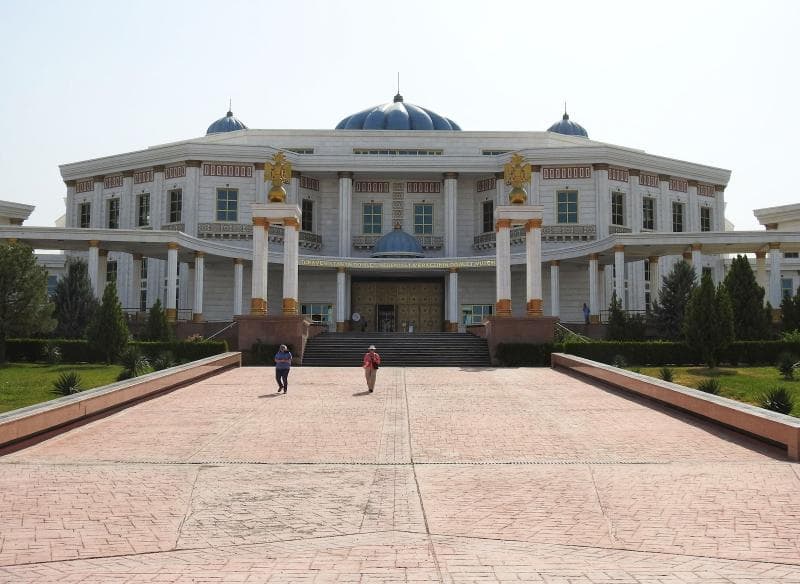
Explore the vibrant Ethnography Halls at the National Museum Of Turkmenistan in Ashgabat, discovering Turkmen customs, traditional crafts, and historical artifacts.
Overview
The Ethnography Halls, nestled within the expansive National Museum Of Turkmenistan in Ashgabat, offer a fascinating journey into the heart of Turkmen culture and traditions. This dedicated section provides a comprehensive look at the daily life, customs, and artistic expressions that have shaped the Turkmen people over centuries. As part of a grand complex, which also includes halls dedicated to history and nature, the Ethnography Halls showcase a vibrant collection of artifacts, providing visitors with an authentic insight into the rich heritage of this Central Asian nation.
The National Museum Of Turkmenistan itself is a striking architectural marvel, often described as a collection of three museums connected by a colonnaded open gallery. Its majestic structure, featuring a blue dome with sixteen edges and five supporting columns, reflects deep national symbolism, representing the ancestral Turkic states and the country's five regions.
History & Cultural Background
The roots of the National Museum Of Turkmenistan trace back to the late 19th century, with its official opening in its current form in November 1998. The Ethnography Halls, specifically, were part of an expansion in 2009, when a dedicated Museum of Ethnography and Local Lore was established alongside the main building, harmoniously blending into the overall complex.
The exhibits within the Ethnography Halls draw upon ancient historical information, illustrating the foundational activities and lifeways of the Turkmen people. From the earliest periods of cultural development, such as the 3rd millennium B.C. Jeitun culture and the Bronze Age city of Altyndepe, the museum demonstrates the enduring practices that formed Turkmen identity. The collection emphasizes the deep connection between the people and their environment, highlighting traditional occupations like hunting, agriculture, and livestock breeding, which were vital for survival and economic sustenance.
What Makes It Special
What truly sets the Ethnography Halls apart is their rich and detailed presentation of the Turkmen people's material and spiritual culture. Visitors encounter an extensive array of household items, offering a glimpse into daily life, from tools for agriculture and water management to cooking implements. The halls boast magnificent samples of national costumes, with a particular focus on elaborate female dress and bridal attire, intricately embroidered and adorned with gilded silver jewelry featuring precious stones.
A highlight is the extraordinary collection of hand-made Turkmen carpets, renowned worldwide as masterpieces of national art. These carpets, woven from dyed sheep's wool, are distinguished by their dark red and brown hues and unique patterns that signify different tribal traditions, such as Tekin, Yomud, Kerki, and Gyzylayat. Beyond textiles, the museum displays antique weapons, musical instruments, and special silver ornaments crafted for the legendary Akhal-Teke horses, which hold immense cultural and historical significance in Turkmenistan.
Stories, Fun Facts & Local Details
One of the most captivating aspects of the Ethnography Halls is the way they tell stories of a resilient people. Imagine the skill required to craft the intricate patterns of a Tekin carpet, each knot a testament to generations of artisanal knowledge passed down through families. The vibrant bridal costumes on display whisper tales of Turkmen weddings, elaborate ceremonies filled with traditional music and dance, where the bride's attire was not just clothing but a symbol of status and cultural pride.
A fascinating detail is the inclusion of specialized tools for oil production, like the 'juvaz' (oil press) powered by draft animals, illustrating the ingenuity of Turkmen agriculture. The emphasis on water management tools also underscores the importance of this precious resource in a largely desert country. These seemingly simple artifacts reveal complex societal structures and a profound understanding of their challenging environment. Moreover, the strong presence of the Akhal-Teke horse in ethnographic displays reflects its revered status, not merely as an animal, but as a national emblem and a focal point of Turkmen cultural identity and even ancient cults.
Visitor Perspective
For a curious traveler, a visit to the Ethnography Halls provides a profound connection to Turkmenistan's soul. As you wander through the exhibits, you'll feel guided through the layers of history and tradition. The spacious and well-arranged displays allow for an immersive experience, making it easy to appreciate the fine details of each artifact. Knowledgeable museum staff are often available, and English tours can be arranged to offer deeper insights into the exhibits.
The museum typically operates from 10:00 AM to 5:00 PM, closed on Tuesdays, offering ample time to explore. While some areas might have restrictions or fees for photography, the visual richness of the collections provides lasting memories. Outside the museum, the expansive grounds feature beautiful flower beds, fountains, and impressive gilded statues of winged horses, creating a grand setting for this cultural repository. The world's largest flag, fluttering nearby, adds to the monumental scale of the experience.
Coordinates: 58.3489, 37.8851
View on Google Maps💬 How Travelers Describe This Place
Based on community votes
Photogenic
886Unique
443Beautiful
310Must See
277Interesting
233
Traveler Stories
Discover memorable experiences shared by travelers who have visited this place.
No traveler stories yet.
Be the first traveler to share what made this place memorable.

Tour
By
Spot
Discover amazing places around the world. Your journey starts here.
Explore
© 2026 TourBySpot. All rights reserved.