Gold Artifacts
Ashgabat, Turkmenistan
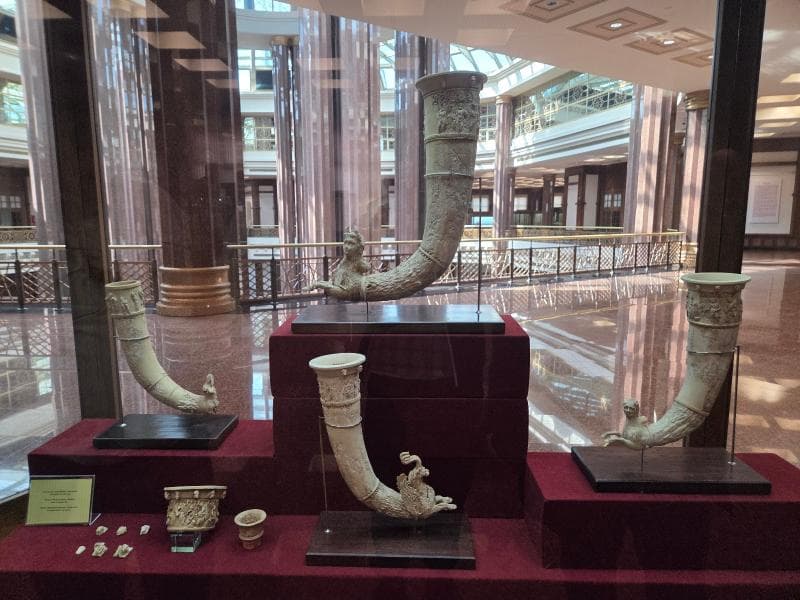
Explore the dazzling Gold Artifacts collection at the National Museum Of Turkmenistan in Ashgabat. Discover ancient jewelry, coins, and gilded treasures from Parthian and Bronze Age civilizations, revealing Turkmenistan's rich cultural heritage.
Overview
Within the grand halls of the National Museum Of Turkmenistan in Ashgabat, a treasure trove of gold artifacts illuminates the rich history and artistic prowess of ancient civilizations that once thrived in this land. This remarkable collection offers a captivating glimpse into the profound cultural heritage of Turkmenistan, showcasing centuries of exquisite craftsmanship in precious metals. The museum, officially known as the State Museum of the State Cultural Center of Turkmenistan, houses a vast array of over 166,000 to 500,000 unique items, with its gold exhibits forming a particularly dazzling highlight.
Visitors to the 'Gold Artifacts' sections will encounter a diverse range of objects, from delicate jewelry worn by ancient Turkmen to ceremonial pieces and gilded embellishments that speak volumes about their creators' beliefs and societal structures. The sheer volume and intricate detail of these items underscore the significant role gold played in both daily life and ritualistic practices across various historical epochs in Turkmenistan.
History & Cultural Background
The history of gold and precious metal work in Turkmenistan stretches back millennia, deeply rooted in the civilizations that flourished along the ancient Silk Road. Archaeological excavations at significant sites like Old Nisa, Altyn-Depe, Gonur-Depe (Margiana), and Merv have unearthed many of the golden treasures now meticulously preserved within the museum.
Old Nisa, the ancient capital of the Parthian Empire, has contributed magnificent examples of Hellenistic-influenced art, including silver and gilded figurines and elaborately decorated ivory rhytons that were adorned with precious metals and stones. From the Bronze Age civilization of Margiana, particularly Gonur-Depe, archaeologists have discovered small gold ornaments and gold and silver vessels, demonstrating advanced metallurgical skills from as early as the 3rd millennium BCE. The continuity of jewelry-making traditions, combining gold and silver with semi-precious stones like carnelian and turquoise, reflects a cultural legacy that has persisted for thousands of years.
What Makes It Special
The 'Gold Artifacts' collection at the National Museum of Turkmenistan is particularly special due to its exceptional range and the historical narratives embedded within each piece. Among the most striking exhibits are the gold jewelry and medallions from Margiana, showcasing sophisticated designs and a deep understanding of metallurgy from ancient times. The museum also displays gilded figurines, such as those depicting Athena, Eros, eagles, and griffins, which illustrate the fusion of local traditions with Hellenistic artistic styles during the Parthian era.
Beyond ceremonial objects, the collection includes ancient gold coins, providing tangible links to the economic and trade networks that crisscrossed Central Asia. What truly sets these artifacts apart is not just their intrinsic value, but their artistic quality and the stories they tell about the skilled artisans who crafted them. Traditional Turkmen jewelry, often incorporating gold gilding, was not merely ornamental but deeply symbolic, believed to possess protective powers and signify social status.
Stories, Fun Facts & Local Details
Many of the gold artifacts on display are the result of remarkable archaeological discoveries made over decades. The systematic excavations at sites like Gonur-Depe have revealed entire workshops and burial sites containing these precious items, offering archaeologists profound insights into ancient life. For instance, the discovery of minute lapis lazuli beads, some as small as one millimeter in diameter, highlights the extraordinary precision and skill of ancient jewelers.
A fun fact tied to Turkmen jewelry, including pieces sometimes featuring gold, is its profound symbolic meaning. Worn by men, women, and children, and even adorning Akhal-Teke horses, these pieces were believed to ward off evil and illness, and enhance fertility. The intricate patterns, often depicting abstract mountains, animals, and plants, carry deep cultural and religious significance, connecting contemporary Turkmen art to millennia-old traditions.
Visitor Perspective
A visit to the 'Gold Artifacts' exhibition promises an enriching and awe-inspiring experience for any traveler interested in history, art, or culture. As you wander through the carefully curated displays, you'll be transported back in time, imagining the lives of the people who created and wore these magnificent pieces. The presentation of these artifacts is designed to be both informative and visually stunning, making the history of Turkmenistan accessible and engaging.
To fully appreciate the collection, plan to spend ample time, as a brief visit to the museum's extensive halls can take several hours. While photography is generally restricted inside the museum, this encourages visitors to truly immerse themselves in the moment and absorb the beauty and historical weight of each artifact. The museum is closed on Tuesdays, so it's wise to plan your visit accordingly. Stepping into this section of the National Museum of Turkmenistan is not just seeing old objects; it's connecting with the enduring artistry and spirit of a civilization that valued beauty and symbolism in equal measure.
Coordinates: 58.34911, 37.88515
View on Google Maps💬 How Travelers Describe This Place
Based on community votes
Photogenic
826Unique
800Must See
589Interesting
387Beautiful
90
Traveler Stories
Discover memorable experiences shared by travelers who have visited this place.
No traveler stories yet.
Be the first traveler to share what made this place memorable.

Tour
By
Spot
Discover amazing places around the world. Your journey starts here.
Explore
© 2026 TourBySpot. All rights reserved.