Museum Island
Berlin, Germany
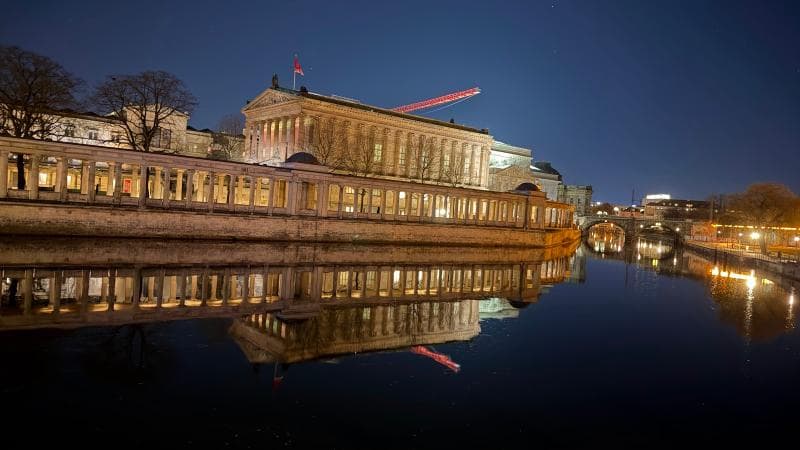
Explore Berlin's UNESCO-listed Museum Island, home to five world-class museums. Discover ancient wonders, classical art, and 19th-century masterpieces in Germany's cultural heart.
Overview
Nestled on the northern tip of Spree Island in the heart of Berlin, Germany, lies Museum Island, an extraordinary ensemble of five world-renowned museums. This unique cultural landscape, a designated UNESCO World Heritage site since 1999, stands as a testament to humanity's enduring quest for knowledge and beauty. It brings together millennia of human history, art, and civilization within a remarkable architectural setting.
The island is home to the Altes Museum, the Neues Museum, the Alte Nationalgalerie, the Bode-Museum, and the Pergamon Museum. Each institution offers a distinct journey through time, housing collections that span ancient civilizations, classical antiquities, and European art from various periods, creating a vibrant narrative woven into Berlin's urban fabric.
History & Cultural Background
The vision for Museum Island emerged from the progressive ideals of the Enlightenment in the early 19th century. King Friedrich Wilhelm III of Prussia, seeking to make art and culture accessible, commissioned the first museum. His successor, King Friedrich Wilhelm IV, envisioned the island as a 'sanctuary for art and science'.
The architectural journey began in 1830 with the opening of the Altes Museum, a Neoclassical masterpiece by Karl Friedrich Schinkel. Over the next century, four more grand museums took shape: the Neues Museum (completed 1859), the Alte Nationalgalerie (1876), the Bode-Museum (1904), and finally the Pergamon Museum (1930). Designed by leading architects, these buildings reflect evolving architectural styles, creating a unified yet diverse urban gallery.
However, the island's history also bears scars from immense challenges. During World War II, the buildings suffered severe damage; the Neues Museum, for instance, lay in ruins for decades. Following German reunification, a comprehensive master plan was launched to restore and revitalize the complex, preserving its historical integrity while integrating modern visitor facilities like the James Simon Gallery, opened in 2019.
What Makes It Special
Museum Island's exceptional character stems from its unparalleled concentration of world-class museums within an architecturally stunning setting. It's not just a collection of institutions, but a coherent cultural district where art, history, and architecture intertwine. Its UNESCO World Heritage status, granted in 1999, specifically recognizes this unique ensemble and its historical significance in illustrating the evolution of museum design.
Each museum, while distinct, contributes to a larger narrative of human civilization. The buildings themselves are masterpieces, showcasing a blend of Neoclassical and Revival styles. This allows visitors to traverse vast historical and cultural landscapes in a single day, an experience few other places in the world can offer, journeying from ancient Egypt and the Near East to classical antiquity and 19th-century European art.
Stories, Fun Facts & Local Details
Museum Island is home to some of the world's most iconic artifacts. At the Neues Museum, visitors encounter the enigmatic Bust of Nefertiti, a 3,000-year-old masterpiece of ancient Egyptian art. This museum also houses the fascinating Berlin Gold Hat and a Neanderthal skull, offering glimpses into prehistoric times.
The Pergamon Museum, despite ongoing extensive renovations (with a partial reopening planned for 2027), is legendary for its monumental reconstructions, including the awe-inspiring Ishtar Gate of Babylon and parts of the Pergamon Altar. The Altes Museum, with its grand rotunda inspired by the Pantheon, now displays Greek and Roman antiquities. The Alte Nationalgalerie, designed to resemble an ancient temple, houses an impressive collection of 19th-century art, including works by Romantic painter Caspar David Friedrich. Meanwhile, the Bode-Museum, resembling a castle at the island's northern tip, presents an extensive sculpture collection and Byzantine art, alongside one of the world's largest numismatic collections.
Visitor Perspective
For the curious traveler, Museum Island presents an immersive journey through human creativity and history. Wandering its grounds, you're not just moving between buildings, but through epochs. The seamless flow, soon to be enhanced by the envisioned Archaeological Promenade connecting four of the five museums underground, aims to create an even more cohesive narrative.
Expect to dedicate at least a full day, if not more, to truly appreciate the depth and breadth of the collections. Each museum offers a unique atmosphere. Whether drawn to classical sculptures, ancient wonders, romantic landscapes, intricate artistry, or monumental exhibits, there is something to captivate every interest. The sheer volume of historical and artistic treasures ensures a rich and rewarding experience, connecting visitors to the world's shared cultural heritage.
Coordinates: 13.395556, 52.521389
View on Google Maps💬 How Travelers Describe This Place
Based on community votes
Interesting
848Unique
830Photogenic
797Beautiful
410Must See
136
Traveler Stories
Discover memorable experiences shared by travelers who have visited this place.
No traveler stories yet.
Be the first traveler to share what made this place memorable.
Things to see at Museum Island



Tour
By
Spot
Discover amazing places around the world. Your journey starts here.
Explore
© 2026 TourBySpot. All rights reserved.