Bode Museum
Berlin, Germany
Explore Berlin's Bode Museum on Museum Island, home to exceptional European sculpture, Byzantine art, and a vast numismatic collection. Discover millennia of human creativity.
Overview
Perched gracefully at the northern tip of Berlin's historic Museum Island, the Bode Museum emerges like a neoclassical castle rising from the water, flanked by the Spree River. This architecturally striking building is a cornerstone of the UNESCO World Heritage site, housing an exceptional array of European sculpture, Byzantine art, and one of the world's most significant numismatic collections. It offers a journey through millennia of human creativity, from ancient coins to medieval statues and intricate Byzantine artifacts.
The museum's distinct dome and Baroque Revival style immediately capture attention, setting a grand stage for the treasures within. Inside, visitors discover a thoughtfully curated experience that transcends traditional museum displays, reflecting the vision of its influential first curator.
History & Cultural Background
The Bode Museum, originally named the Kaiser-Friedrich-Museum, opened its doors in 1904. Commissioned by Emperor Wilhelm II and designed by Ernst Eberhard von Ihne, its construction between 1898 and 1904 marked a significant addition to Berlin's burgeoning cultural landscape. The building was conceived as a testament to Prussian imperial grandeur and a home for vast art collections.
Tragically, the museum suffered heavy damage during World War II, leading to the loss of many artworks. Post-war, the building underwent extensive restoration and renovation. In 1956, it was renamed the Bode-Museum in honor of its visionary first director, Wilhelm von Bode, whose pioneering approach to exhibiting art profoundly shaped the museum's identity. A comprehensive 156-million-euro refurbishment from 1997 to 2006 meticulously restored its interiors, reinstating the original splendor and updating its facilities before its grand reopening.
The division of Germany after World War II also led to the separation of the museum's collections, which were housed in both East and West Berlin. It was only after German reunification in the 1990s that efforts began to merge these collections once more, a process culminating in the museum's re-establishment as a unified cultural institution.
What Makes It Special
What sets the Bode Museum apart is its distinctive architectural presence and its rich, diverse collections, presented in a unique dialogue between different art forms. Its location on a triangular plot of land at the northern tip of Museum Island gives it the appearance of a 'moated castle' or 'rising from the water.' The building itself, with its Wilhelmine Baroque style and magnificent dome, is a work of art.
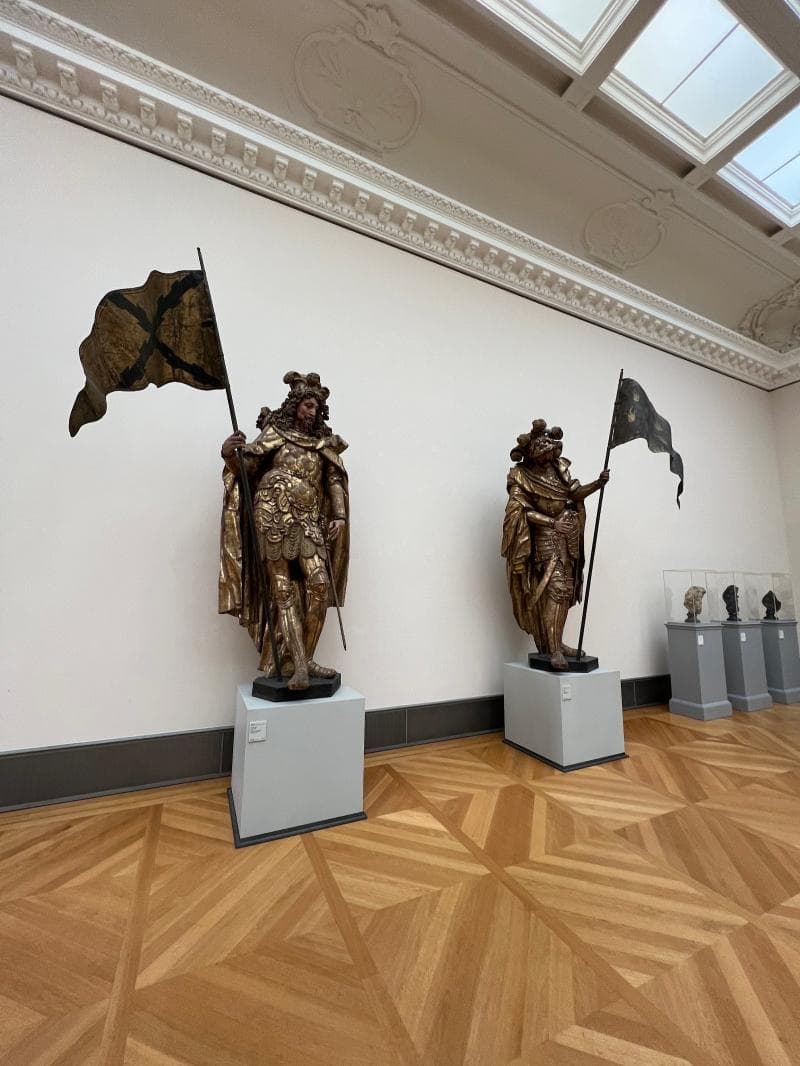
The museum is home to three primary collections: the Sculpture Collection, the Museum of Byzantine Art, and the Numismatic Collection (Münzkabinett). The Sculpture Collection spans from the early Middle Ages to the late 18th century, featuring masterpieces from Italian and German origins, including works by Donatello and Tilman Riemenschneider. The Museum of Byzantine Art showcases late antique and Byzantine artworks from the 3rd to the 15th centuries, encompassing items from the Mediterranean region, such as sarcophagi, ivory carvings, and mosaic icons.
The Münzkabinett, one of the world's most significant collections of coins and medals, boasts over half a million objects, tracing the history of coinage from the 7th century BC to the present day. The museum's innovative presentation, spearheaded by Wilhelm von Bode, aimed to display sculptures and paintings in an integrated manner, creating a rich context for visitors. This ethos of combining art collections continues today, with paintings from the Gemäldegalerie complementing the sculptures.
Stories, Fun Facts & Local Details
One of the most captivating aspects of the Bode Museum is its visual illusion: standing on the Monbijou Bridge, the museum appears to float directly on the water, a result of its unique triangular foundation at the confluence of the Spree River. This architectural marvel was a challenge for its designer, Ernst von Ihne, given the isolated nature of the island tip and a nearby railway line.
Wilhelm von Bode, the museum's namesake and first director, was a revolutionary in museology. He believed in presenting art in a way that evoked its original context, often mixing different types of art to create a harmonious atmosphere, a practice quite radical for his time. His personal inclinations and political relations also influenced the collections; for instance, he had a strong preference for Italian Renaissance works and assembled the Byzantine collection partly due to good relations between Emperor Wilhelm II and the Ottoman Sultan.
A notable feature is the grand entrance hall with its majestic dome, featuring a copy of the Equestrian Statue of the Great Elector, Friedrich Wilhelm von Brandenburg. The museum also contains an impressive nearly sixty-meter-long vault in the basement dedicated to the Münzkabinett, an architectural highlight in itself.
Visitor Perspective
Visiting the Bode Museum offers a tranquil and enriching experience, often less crowded than some of its Museum Island counterparts, making it ideal for those seeking a deeper connection with art. A typical visit can range from 1.5 to 3 hours, depending on one's pace and interest in delving into the extensive collections.
The museum is generally open Wednesday to Sunday, with varying hours, and typically closed on Mondays and Tuesdays. It's always advisable to check the official museum website for the most current opening hours and any special exhibition details before planning your visit.
The entrance is accessible via the Monbijoubrücke, seamlessly connecting the Museum Island to the surrounding area. Admission to the magnificent dome hall and its grand staircase is often free, allowing visitors to appreciate the building's architecture even without a ticket to the main exhibitions. For families, the museum sometimes offers a children's gallery, and children under 18 generally enjoy free admission.
Coordinates: 13.394257, 52.522047
View on Google Maps💬 How Travelers Describe This Place
Based on community votes
Photogenic
848Interesting
830Must See
466Unique
410Beautiful
136
Traveler Stories
Discover memorable experiences shared by travelers who have visited this place.
No traveler stories yet.
Be the first traveler to share what made this place memorable.

Tour
By
Spot
Discover amazing places around the world. Your journey starts here.
Explore
© 2026 TourBySpot. All rights reserved.