Neues Museum
Berlin, Germany
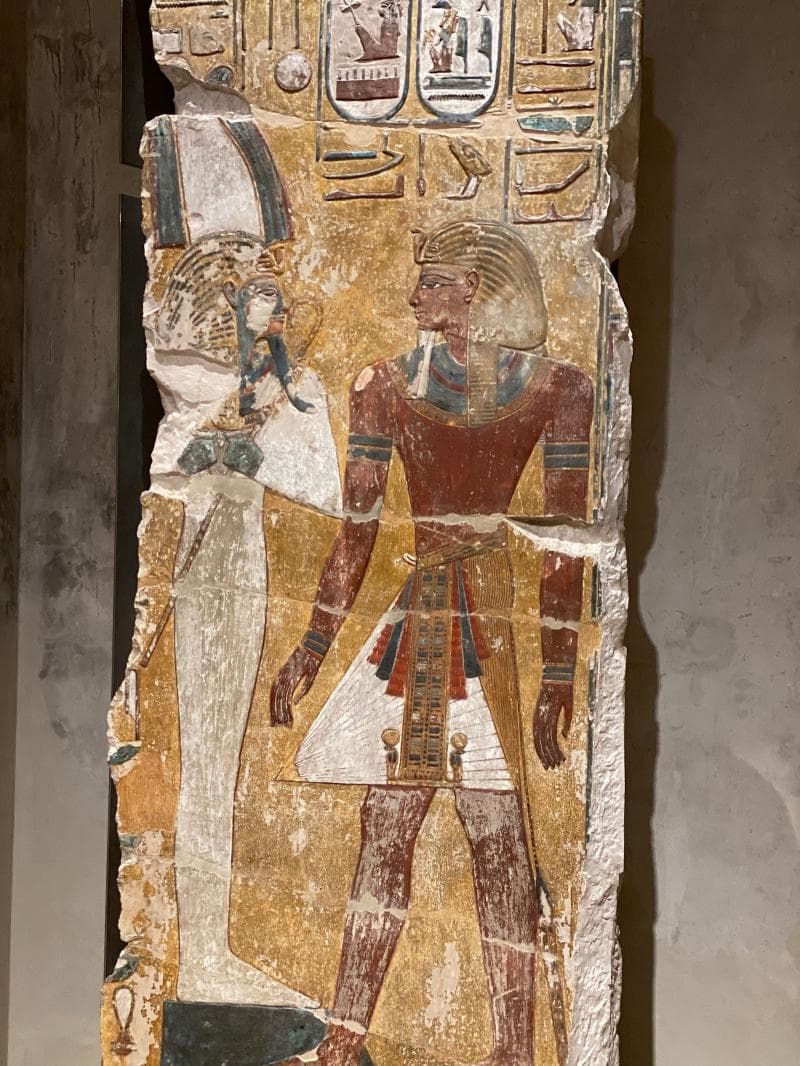
Explore the Neues Museum in Berlin, Germany, home to the iconic Nefertiti Bust and vast collections of ancient Egyptian artifacts and prehistory.
Overview
Nestled on Berlin's renowned Museum Island, a UNESCO World Heritage Site, the Neues Museum stands as a testament to human history and resilience. This architectural marvel in Berlin, Germany, beautifully blends classical design with modern restoration, housing an extraordinary array of artifacts. It brings together vast collections from the Egyptian Museum and Papyrus Collection, the Museum for Prehistory and Early History, and significant portions of the Collection of Classical Antiquities. Reopened in 2009 after a meticulous reconstruction, the museum offers visitors a compelling journey through ancient civilizations and early human development.
History & Cultural Background
The Neues Museum, meaning 'New Museum', was originally constructed between 1843 and 1855, making it the second museum to grace Museum Island. Designed by Friedrich August Stüler, a prominent student of the influential architect Karl Friedrich Schinkel, it was conceived to accommodate the burgeoning collections that had outgrown the neighboring Altes Museum. Its construction was groundbreaking for its time, incorporating advanced industrial techniques, including innovative iron constructions and even the use of a steam engine – a first for a monumental building in Prussia. Tragically, the museum suffered extensive damage during the aerial bombardments of World War II, leaving much of its structure in ruins and exposed to the elements for decades. A painstaking restoration, overseen by the acclaimed British architect David Chipperfield, began in 1999 and culminated in its celebrated reopening in 2009. Chipperfield's vision masterfully preserved the historical scars and original fabric of the building while integrating contemporary elements, creating a unique dialogue between past and present.
What Makes It Special
The Neues Museum is most famously home to the iconic bust of Queen Nefertiti, a masterpiece of ancient Egyptian art. This world-renowned sculpture is displayed in solitary splendor within the North Dome Hall, captivating visitors with its timeless beauty. Beyond Nefertiti, the museum's collections are vast and diverse, spanning from the Stone Age to the Middle Ages, covering cultures from the Middle East to the Atlantic. Highlights include the exquisite 'Green Head' sculpture from the Late Period of ancient Egypt, the mysterious Bronze Age 'Berlin Gold Hat', and fascinating Trojan antiquities collected by Heinrich Schliemann (though the gold treasure itself is now in Moscow). Visitors can also marvel at significant prehistoric finds, such as a Neanderthal skull and the museum's oldest exhibit – a 700,000-year-old hand axe from the Palaeolithic period. The architectural restoration itself is a remarkable feature; Chipperfield's approach retained damaged areas, such as reclaimed brick walls, juxtaposing them with modern additions like the new main staircase, allowing the building's tumultuous history to remain visible and impactful. The museum is also part of Berlin's unique 'archaeological promenade', an underground passageway connecting several museums on the island.
Stories, Fun Facts & Local Details
Imagine walking through halls where the very walls tell a story of destruction and rebirth. The visible damage from wartime bombing, deliberately left unpatched and integrated into the design, serves as a poignant reminder of Berlin's past. One of the most intriguing aspects for a curious traveler is the Nefertiti Bust, so precious it resides alone in its own grand, domed space, ensuring an almost reverent viewing experience. You'll encounter not only the ancient, but also the unexpectedly recent; a piece of barbed wire from the Berlin Wall is among the exhibits, creating a powerful link between millennia of history and modern memory. The museum also showcases original 19th-century wall paintings, depicting scenes that include Nordic mythological tales, which were carefully preserved during the restoration, offering a glimpse into the artistic tastes of the museum's early days. Even the very ground upon which the museum stands has a story; the soft, sandy soil of Museum Island presented significant engineering challenges during its original construction, requiring innovative use of timber piles to support the massive structure.
Visitor Perspective
Visiting the Neues Museum is an immersive experience, taking you on a comprehensive journey through humanity's early history and diverse cultures. Located centrally on Museum Island, it's easily accessible by Berlin's efficient public transport network, including S-Bahn, U-Bahn, tram, and bus services. As part of the UNESCO World Heritage site, the museum is not just about its collections, but also about appreciating the grand architectural ensemble of Museum Island itself. Travelers can expect to spend hours exploring its four levels and approximately 8,000 square meters of exhibition space, encountering nearly 9,000 historical exhibits. For those visiting with groups, the James Simon Galerie serves as a modern and convenient central entrance point for ticketing and information for the Neues Museum, simplifying your arrival and enhancing the overall visitor experience.
Coordinates: 13.39765, 52.52029
View on Google Maps💬 How Travelers Describe This Place
Based on community votes
Interesting
922Unique
665Beautiful
645Must See
244Photogenic
183
Traveler Stories
Discover memorable experiences shared by travelers who have visited this place.
No traveler stories yet.
Be the first traveler to share what made this place memorable.

Tour
By
Spot
Discover amazing places around the world. Your journey starts here.
Explore
© 2026 TourBySpot. All rights reserved.