Lychakiv Cemetery
Lviv, Ukraine
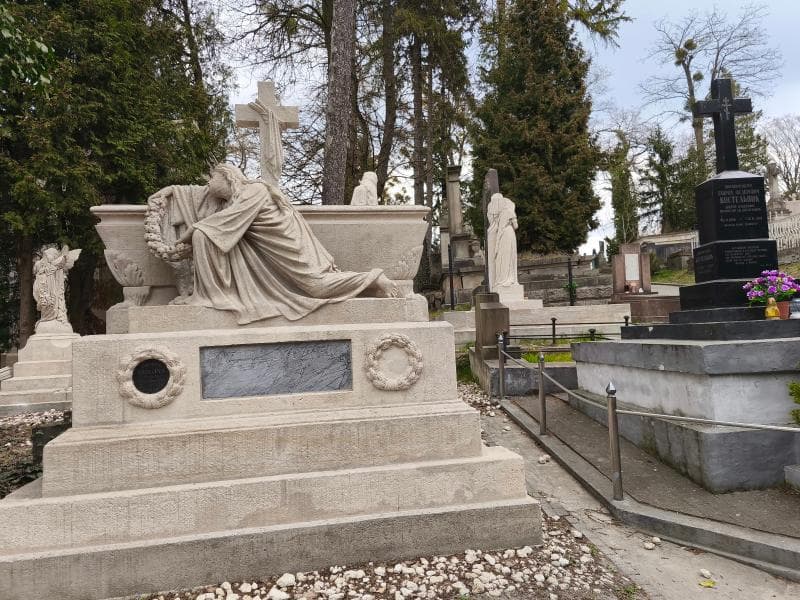
Explore Lychakiv Cemetery in Lviv, Ukraine, an historic open-air museum and necropolis. Discover centuries of art, history, and notable burials.
Overview
Step into a world where history whispers from every sculpted stone and ancient tree – welcome to Lychakiv Cemetery, a profound necropolis nestled in the vibrant city of Lviv, Ukraine. Far more than just a burial ground, Lychakiv is a sprawling open-air museum, a historical reserve, and a testament to centuries of Lviv's diverse past. Officially established in 1786, this monumental site covers an impressive 40 to 42 hectares, offering a serene and thought-provoking journey through art, culture, and remembrance.
As one of the oldest and most significant cemeteries in Europe, Lychakiv holds the final resting places of over 300,000 to 400,000 individuals, ranging from the city's intellectual elite and prominent artists to soldiers who shaped the region's tumultuous history. Its picturesque landscapes, adorned with thousands of intricate sculptures and grand mausoleums, invite visitors to explore winding paths and discover stories etched in stone. This is a place where art and history intertwine, creating a uniquely moving experience that captures the soul of Lviv.
History & Cultural Background
The genesis of Lychakiv Cemetery dates back to a pivotal moment in the late 18th century. In 1786, Austrian Emperor Joseph II issued a decree mandating that all cemeteries be moved outside city limits for public health reasons, largely due to concerns over plague and other diseases. While the area now known as Lychakiv had seen burials as early as the 13th century – with mentions of a village cemetery in the 16th century and an oldest surviving tombstone from 1675 moved here – its official transformation into Lviv's premier necropolis began then.
Initially serving the city's intelligentsia, middle, and upper classes, Lychakiv evolved significantly over time. In the mid-19th century, botanist Karol Bauer and manager Tytus Tchórzewski played crucial roles in shaping its park-like layout, with carefully designed alleys and paths. This era saw wealthy families commission elaborate monuments and family vaults, turning the cemetery into an outdoor gallery of architectural and sculptural masterpieces. The cemetery's layered history reflects Lviv's own complex past, having been part of the Austro-Hungarian Empire, Polish interwar period, Soviet era, and independent Ukraine.
During the Soviet occupation, the cemetery faced neglect and even destruction, with many historical monuments, particularly Polish ones, suffering damage. However, in 1975, its declaration as a historical monument brought an end to the devastation, paving the way for extensive restoration and refurbishment from the late 1980s onwards.
What Makes It Special
Lychakiv Cemetery stands out not only for its age but for its extraordinary artistic and historical richness. It is often compared to famous European necropolises like Père Lachaise in Paris and Highgate in London, though it predates both. The sheer volume of artistic monuments – over 2,000 vaults and some 500 sculptures and reliefs – transforms the cemetery into a grand sculpture garden. These works showcase a remarkable range of styles, from the classical and Neo-Gothic to Art Nouveau, crafted by renowned sculptors of their time.
Beyond its aesthetic appeal, Lychakiv is a poignant symbol of Lviv's multicultural heritage. Grave markers bear inscriptions in Ukrainian, Polish, German, Russian, Armenian, and Latin, reflecting the diverse communities that shaped the city. It is a place of profound national significance, officially recognized as a State History and Culture Museum-Reserve, preserving the memory of generations of Ukrainians, Poles, and others who contributed to the region's cultural, scientific, and political life.
Stories, Fun Facts & Local Details
Walking through Lychakiv is like turning the pages of a living history book. Here you'll find the graves of some of Ukraine's most celebrated figures. Look for the striking monument to Ivan Franko, the renowned writer and social activist, often depicted as a miner breaking a rock – a powerful symbol from one of his revolutionary poems. Nearby rests Solomiya Krushelnytska, the world-famous opera singer, whose tomb is adorned with a sculpture of Orpheus holding a harp.
The cemetery is also home to various military memorials, offering a sobering reflection on the region's conflicts. The Field of Mars, for instance, serves as a burial site for soldiers from different eras, including those who tragically lost their lives in the ongoing Russian-Ukrainian war since April 2022. Another significant section is the Cemetery of the Defenders of Lwów (Lwów Eaglets), dedicated to young Polish soldiers who fell during the Polish-Ukrainian War of 1918-1919.
A touching detail observed in newer military sections is the personalization of graves. While many share common markers, families are permitted to adorn them with Ukrainian flags, unit symbols, colorful pebbles, or even mementos like a favorite drink or a football scarf, offering a deeply personal glimpse into the lives of the fallen.
Visitor Perspective
A visit to Lychakiv Cemetery is an immersive cultural experience, often described as a contemplative walk rather than a somber one. The peaceful ambiance, combined with the artistic beauty of the monuments and the rich historical narratives, makes it a unique destination. Many find themselves spending hours wandering its pathways, reflecting on the lives and legacies preserved within its borders.
The cemetery is accessible, located about 2-3 kilometers from Lviv's city center, and can be reached easily by tram. Guided tours are available, often in multiple languages, providing deeper insights into the stories behind the elaborate graves and the cemetery's broader historical context. It's a place where every turn reveals a new piece of Lviv's intricate mosaic, connecting visitors intimately with the city's past and the human stories that shaped it. To truly understand Lviv, a visit to Lychakiv is indispensable.
Coordinates: 24.0560909, 49.8324603
View on Google Maps💬 How Travelers Describe This Place
Based on community votes
Interesting
954Must See
946Photogenic
514Beautiful
92Unique
66
Traveler Stories
Discover memorable experiences shared by travelers who have visited this place.
No traveler stories yet.
Be the first traveler to share what made this place memorable.
Things to see at Lychakiv Cemetery



Tour
By
Spot
Discover amazing places around the world. Your journey starts here.
Explore
© 2026 TourBySpot. All rights reserved.