Memorial Complexes
Lviv, Ukraine
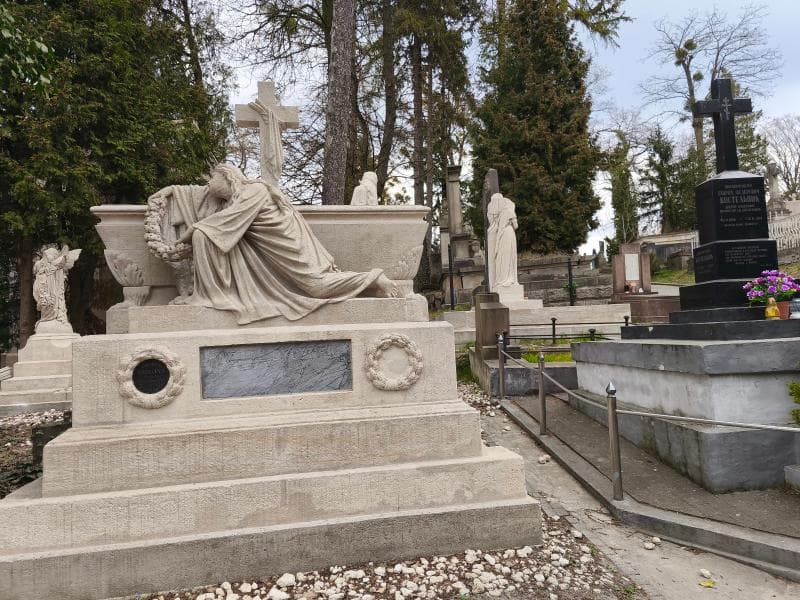
Explore the profound Memorial Complexes within Lychakiv Cemetery in Lviv, Ukraine, honoring heroes and telling centuries of history.
Overview
The Lychakiv Cemetery in Lviv, Ukraine, is far more than a mere burial ground; it is a profound historical and cultural museum-reserve, spanning over 42 hectares. Established in 1786, it stands as one of Europe's oldest and most significant necropolises, drawing visitors with its unique blend of artistic monuments, lush landscapes, and deep historical narratives. Within its expansive grounds lie several poignant Memorial Complexes, each telling a story of Lviv's complex past and the diverse communities that shaped it. These complexes commemorate soldiers, national heroes, and victims of various conflicts, reflecting the intertwined histories of Ukrainians, Poles, and others who found their eternal rest here.
These dedicated areas serve as solemn reminders of sacrifice and resilience, offering a unique lens through which to understand the region's turbulent history. From elaborate military cemeteries to humble burial sites of freedom fighters, the Memorial Complexes within Lychakiv Cemetery provide a powerful and moving experience for any thoughtful traveler.
History & Cultural Background
Lychakiv Cemetery's history began in the late 18th century, a result of an Austro-Hungarian imperial edict moving cemeteries outside city limits to prevent disease. Over centuries, it evolved into the principal necropolis for Lviv's intelligentsia, middle, and upper classes, becoming a repository of exquisite funerary art.
The Memorial Complexes themselves trace their origins to pivotal moments in the region's history. The Lwów Defenders' Cemetery, also known as the Cemetery of Eaglets, emerged from the Polish-Ukrainian War (1918–1919) and the Polish-Soviet War (1919–1921), honoring young Polish volunteers and their allies. Similarly, the Ukrainian National Army Memorial and the Ukrainian Insurgent Army (UPA) Memorial reflect Ukrainian struggles for independence through the 20th century. The Field of Mars, once a Soviet military cemetery, has undergone significant transformation, now serving as a primary burial site for Ukrainian soldiers fallen in the ongoing Russo-Ukrainian War. This evolution showcases the continuous layering of historical memory within the cemetery's landscape.
What Makes It Special
What sets the Memorial Complexes apart is their capacity to encapsulate centuries of intricate history and conflict within a single sacred space. They are not merely burial sites but open-air museums of memory, where each monument, regardless of its grandeur, speaks volumes about the human cost of historical events. The sheer diversity of these memorials—from the grand, reconstructed Polish military cemetery to the newer, poignant rows of graves for contemporary Ukrainian heroes—creates a unique tapestry of shared and sometimes conflicting narratives.
The complexes serve as powerful symbols of national identity and remembrance for various ethnic groups that have called Lviv home. They represent a tangible connection to the past, allowing visitors to walk through a timeline of pivotal historical struggles. The artistic merit of many of the monuments, crafted by renowned sculptors of their time, further elevates these complexes from simple gravesites to significant cultural landmarks.
Stories, Fun Facts & Local Details
Among the many fascinating details, the Lwów Defenders' Cemetery is notable for its 'Eaglets,' young Polish militia volunteers, whose sacrifices are etched into the memorial's history. It's considered one of the largest pre-WWII military memorials in Eastern Europe. The Field of Mars offers a particularly compelling narrative of change. Originally a burial ground for Soviet soldiers, it has recently seen exhumations of these remains to make way for a new generation of Ukrainian heroes, symbolizing a profound re-evaluation of historical memory and national identity. During these exhumations, remains of WWI soldiers from various armies (German, Austro-Hungarian, Ottoman, Russian) were also discovered, highlighting Lviv's long-standing role in international conflicts.
Another striking aspect is the 'Wall of Memory' at the Ukrainian Insurgent Army Memorial, built to honor those who fought for Ukraine's freedom, often against multiple occupying powers. The presence of the Heavenly Hundred Heroes memorial, dedicated to the participants of the Revolution of Dignity, brings the cemetery's historical narrative right into the contemporary era, ensuring that recent sacrifices are also remembered.
Visitor Perspective
Visiting the Memorial Complexes within Lychakiv Cemetery is an intensely moving experience. It offers a solemn, reflective journey through history, inviting contemplation on sacrifice, nationhood, and remembrance. The atmosphere is one of profound respect and quiet dignity, providing a stark contrast to the bustling city outside. Travelers will find themselves walking amidst meticulously maintained grounds, where the stories of individuals and nations unfold with every step.
While the broader cemetery is renowned for its artistic gravestones and famous personalities, the Memorial Complexes stand out for their collective narratives of heroism and tragedy. They encourage visitors to engage deeply with Lviv's layered past, understanding the diverse perspectives and the enduring spirit of its people. A visit here is not just a sightseeing tour; it is an educational and emotional pilgrimage that leaves a lasting impression. Plan to dedicate ample time to fully absorb the weight and significance of these powerful memorial spaces.
Coordinates: 24.056111, 49.833056
View on Google Maps💬 How Travelers Describe This Place
Based on community votes
Photogenic
923Unique
587Beautiful
334Interesting
309Must See
282
Traveler Stories
Discover memorable experiences shared by travelers who have visited this place.
No traveler stories yet.
Be the first traveler to share what made this place memorable.

Tour
By
Spot
Discover amazing places around the world. Your journey starts here.
Explore
© 2026 TourBySpot. All rights reserved.