Field Of Mars
Lviv, Ukraine
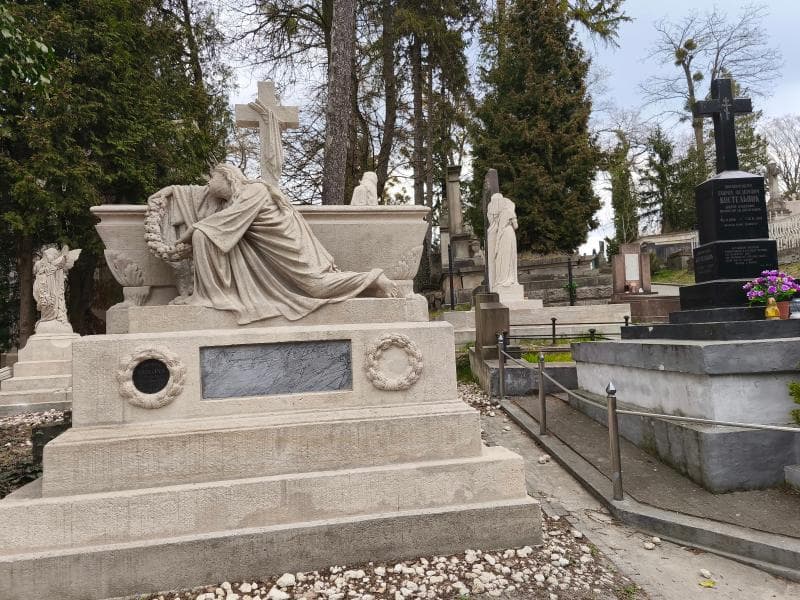
Explore the Field of Mars in Lviv, Ukraine, a poignant military cemetery within Lychakiv, reflecting centuries of conflict and honoring fallen Ukrainian heroes.
Overview
Nestled within the historic embrace of Lychakiv Cemetery in Lviv, Ukraine, lies the Field of Mars, a profoundly significant military memorial and burial ground. This space, known locally as 'Marsove Pole,' serves as a poignant testament to centuries of conflict and a solemn tribute to fallen soldiers. What was once a burial site with a complex past, reflecting various geopolitical shifts, has profoundly transformed in recent years. Today, it stands as a central place of remembrance, visibly honoring Ukrainian heroes who have given their lives in the ongoing Russo-Ukrainian War. The Field of Mars is more than just a cemetery; it is a dynamic landscape of memory, constantly evolving to reflect the nation's profound sacrifices and unwavering resilience.
History & Cultural Background
The Lychakiv Cemetery itself boasts a rich history, established in 1786 during the Austro-Hungarian Empire's rule, when Lviv, then Lemberg, sought to move burial grounds outside city limits. Over centuries, it evolved into a prestigious necropolis for the region's intelligentsia and upper classes. The Field of Mars, adjacent to the main cemetery, has served as a military burial ground since at least World War I, its ground bearing layers of historical memory.
Historically, the Field of Mars was primarily recognized as the resting place for approximately 3,600 Soviet soldiers who perished fighting against Nazi invaders during World War II and, in some instances, against units of the Ukrainian Insurgent Army (UPA). Following Ukraine's independence, and particularly in the 1990s, Soviet-era commemorative inscriptions were removed as part of the nation's decommunization efforts. A significant shift occurred in August 2022 when Lviv authorities approved the exhumation and relocation of these Soviet-era remains to another cemetery. During this process, even older remains from World War I, belonging to German, Austro-Hungarian, Ottoman, and Russian armies, were discovered, further illustrating the multi-layered history of this sacred ground.
Since the full-scale Russian invasion in February 2022, the Field of Mars has taken on a new, heart-wrenching significance. It has become the primary, and rapidly expanding, burial site for Ukrainian soldiers killed in the Russo-Ukrainian War, earning it the contemporary designation 'Field of Honorary Burials'. The steady stream of funerals and new graves stands as a stark and immediate reflection of the ongoing conflict and the profound human cost it exacts on Ukraine.
What Makes It Special
What truly sets the Field of Mars apart is its dynamic and evolving nature as a site of remembrance. Unlike static historical monuments, this field is a living, breathing testament to ongoing history and national identity. The most striking visual element is the vast 'sea of flags' — countless blue-and-yellow Ukrainian banners, and often red-and-black nationalist ones, that ripple in the wind over newly dug graves, each representing a life cut short in defense of the homeland. This powerful imagery offers a direct and unfiltered view of the conflict's toll.
The contrast between the Field of Mars' past and present is also deeply moving. There are accounts of this area, before the current conflict, sometimes being used by locals for recreation, even sunbathing, a detail that now stands in stark, almost unbelievable, contrast to its current solemn purpose. This transformation underscores the sudden and profound impact of the war on Lviv and Ukraine. It is a place where every new grave is a fresh wound, but also a symbol of resistance and unwavering resolve.
Stories, Fun Facts & Local Details
The Field of Mars resonates with countless unspoken stories of heroism and profound personal loss. Visitors often witness poignant displays of grief and remembrance, such as family members leaving deeply personal mementos at gravesides. It is not uncommon to see cigarettes, cups of coffee, children's drawings, stuffed animals, vinyl records, a golf ball, or even a bottle of beer placed on the graves, symbolizing shared moments or beloved hobbies of the fallen. These small, intimate gestures speak volumes about the lives remembered and the enduring bonds of love.
A powerful local tradition has also emerged around the burials. Farewell ceremonies for fallen soldiers often begin in a garrison church, proceed through Lviv's main city square, and culminate at the Field of Mars. This ritualized procession allows the community to collectively mourn and honor its heroes with profound dignity. The name 'Field of Mars' itself evokes the Roman god of war, a fitting, if somber, title for a place so intertwined with military history.
One remarkable historical detail revealed during the exhumation of Soviet-era burials was the discovery of even older remains from World War I. These included soldiers from various armies, including German, Austro-Hungarian, Ottoman, and Russian forces. This unexpected finding added another layer to the field's already complex historical narrative, revealing how this patch of ground has borne witness to conflicts spanning over a century.
Visitor Perspective
Visiting the Field of Mars is an intensely moving and reflective experience. It is a place that compels quiet contemplation and offers a profound understanding of the human cost of the ongoing war in Ukraine. The sheer number of new graves, often adorned with flags and fresh flowers, serves as a powerful visual reminder of the sacrifices being made. Many find it to be a somber yet warm place, where the silence is filled with respect for those who voluntarily gave their lives.
While the broader Lychakiv Cemetery, with its ornate monuments and historical figures, functions as an open-air museum requiring a ticket, the Field of Mars, though part of the larger complex, has historically been more accessible. However, given its evolving significance, visitors should always verify current entry requirements for the Lychakiv Cemetery complex. When visiting, respectful behavior is paramount, acknowledging the deep grief and national pride that permeates this hallowed ground. It is an opportunity to connect with the very real and immediate history of Ukraine and to pay tribute to its enduring spirit.
Coordinates: 24.05566, 49.83516
View on Google Maps💬 How Travelers Describe This Place
Based on community votes
Photogenic
680Must See
514Interesting
432Unique
316Beautiful
196
Traveler Stories
Discover memorable experiences shared by travelers who have visited this place.
No traveler stories yet.
Be the first traveler to share what made this place memorable.

Tour
By
Spot
Discover amazing places around the world. Your journey starts here.
Explore
© 2026 TourBySpot. All rights reserved.