Ancient Tombstones
Lviv, Ukraine
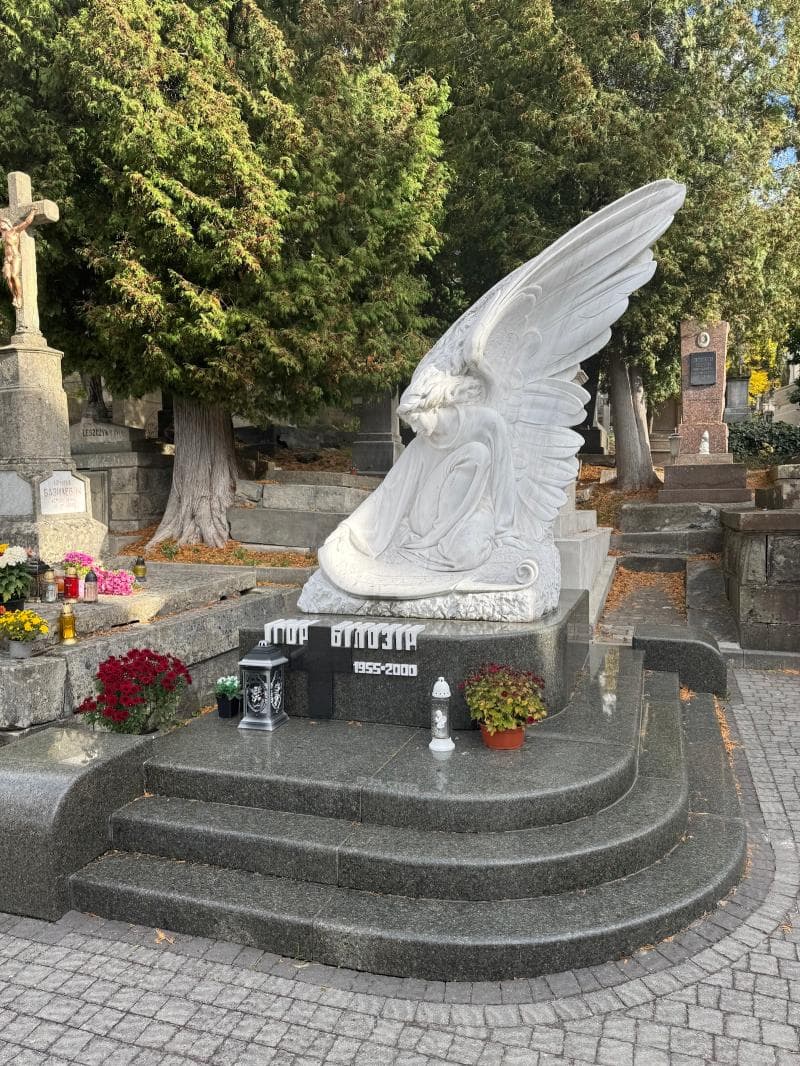
Discover Ancient Tombstones in Lychakiv Cemetery, Lviv, Ukraine. Explore centuries of history, stunning funerary art, and poignant tales etched in stone at this unique open-air museum.
Overview
Stepping into Lychakiv Cemetery in Lviv, Ukraine, is like entering an expansive open-air museum where history whispers from every stone. Revered as one of Europe's oldest and most significant necropolises, this solemn yet breathtaking site spans 40 to 42 hectares, holding the resting places of an estimated 300,000 to 400,000 souls. It is not merely a burial ground, but a profound cultural landscape where the ancient tombstones stand as testaments to centuries of Lviv's diverse past. These weathered monuments, some dating back to the late 18th century, represent a rich tapestry of Ukrainian, Polish, German, and Armenian heritage, each a unique piece of funerary art and history waiting to be discovered.
History & Cultural Background
Lychakiv Cemetery's origins trace back to 1786, when Emperor Joseph II of Austria issued an edict to relocate all city cemeteries outside urban centers due to public health concerns. While earlier burials, some linked to plague victims, date to as far back as 1567, and even older individual gravestones from 1675 with Armenian inscriptions exist, the official establishment marked a new era for Lviv's final resting place. Initially, it served as the principal necropolis for the city's intelligentsia, middle, and upper classes, reflecting the social stratification of its time. The meticulous, park-like arrangement, with its intricate network of alleys and roundabouts, was largely shaped by the efforts of botanist Karol Bauer in the mid-1850s, transforming it from a simple burial ground into a landscaped memorial. Over the decades, Lychakiv Cemetery evolved into a historical and cultural reserve, gaining official recognition in 1975 and later in 1990 and 1991, preserving its invaluable heritage for future generations.
What Makes It Special
What truly sets Lychakiv Cemetery apart are its ancient tombstones and the sheer artistry they embody. With over 3,000 gravestones, monuments, and family vaults, and approximately 500 sculptures and reliefs, the cemetery is an unparalleled gallery of funerary art. These works display a remarkable range of artistic styles, from neoclassical elegance to the intricate details of Art Nouveau and the stark simplicity of modernist designs. Renowned sculptors such as Hartman Witwer, Julian Markowski, and Teodosia Bryzh left their indelible marks here, transforming stone into poignant narratives of lives lived. The oldest preserved gravestones, many from 1787 and 1797, offer a tangible link to the cemetery's earliest days, showcasing the craftsmanship and cultural aesthetics of bygone eras. Each ancient monument is a unique blend of personal remembrance and artistic expression, making every path within Lychakiv a journey through centuries of sculptural evolution.
Stories, Fun Facts & Local Details
Beyond their artistic merit, the ancient tombstones of Lychakiv tell countless human stories. For instance, the renowned Ukrainian writer Ivan Franko was initially interred in a 'guest tomb'—a temporary burial plot—before being reburied in his dedicated grave, now marked by a powerful monument depicting a stonemason breaking a rock, a symbol from his revolutionary poetry. The grave of opera singer Solomiya Krushelnytska is adorned with a sculpture of Orpheus holding a harp, a fitting tribute to her musical legacy. Another captivating detail is the tombstone of Regina Markovska, famously known as the 'sleeping beauty,' depicting a life-sized figure of a girl resting on a stone bed, which has inspired many local legends. The inscriptions themselves, found in Ukrainian, Russian, German, Polish, Armenian, and Latin, are a testament to Lviv's rich multicultural history and diverse population. Wandering through the cemetery, one can feel the layers of history, imagining the lives behind these ornate and often symbolic markers. The Barchevsky family crypt, with its neo-Byzantine grandeur, stands out as one of the most luxurious and memorable examples, an enduring symbol of a family's legacy.
Visitor Perspective
A visit to the ancient tombstones of Lychakiv Cemetery is an experience of quiet contemplation and historical immersion. Far from being a somber or frightening place, it invites visitors to reflect on history, art, and the passage of time. The well-maintained paths and alleys encourage exploration, revealing new wonders around every corner. It is highly recommended to allocate at least three hours to truly appreciate the scale and detail of this historical reserve. Guided tours are available, offering deeper insights into the lives of those interred and the symbolism embedded within the monuments. As an active site of mourning and remembrance, particularly with memorials to fallen soldiers from various conflicts, visitors are encouraged to maintain a respectful demeanor. Lychakiv Cemetery stands as a principal attraction in Lviv, providing a unique and moving encounter with the city's profound heritage.
Coordinates: 24.056, 49.833
View on Google Maps💬 How Travelers Describe This Place
Based on community votes
Photogenic
954Beautiful
946Must See
439Unique
92Interesting
66
Traveler Stories
Discover memorable experiences shared by travelers who have visited this place.
No traveler stories yet.
Be the first traveler to share what made this place memorable.

Tour
By
Spot
Discover amazing places around the world. Your journey starts here.
Explore
© 2026 TourBySpot. All rights reserved.