Sculpted Chapels
Lviv, Ukraine
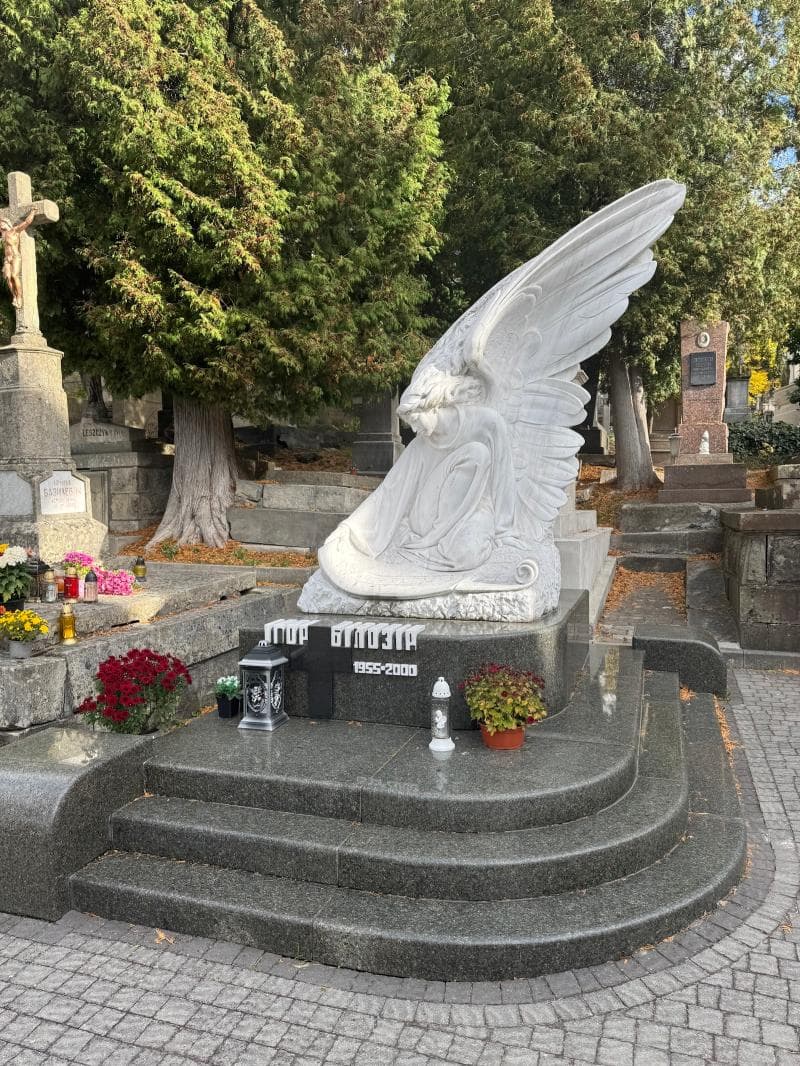
Explore the Sculpted Chapels of Lychakiv Cemetery in Lviv, Ukraine. Discover unique funerary art, historical context, and cultural significance.
Overview
Deep within the historic Lychakiv Cemetery in Lviv, Ukraine, lies a captivating collection of funerary art known as the Sculpted Chapels. This sprawling necropolis, established in 1786, functions not merely as a burial ground but as an expansive open-air museum, showcasing an extraordinary array of artistic monuments, including elaborate family vaults and chapels. Spanning between 40 and 42 hectares, the cemetery is home to hundreds of thousands of burials, each telling a story through its unique design. The Sculpted Chapels are particularly striking, serving as miniature architectural masterpieces adorned with intricate stonework and emotional sculptures, reflecting the rich cultural and historical tapestry of Lviv. They are often found lining the main pathways, inviting contemplation and admiration for the craftsmanship of past eras.
History & Cultural Background
The Lychakiv Cemetery owes its existence to an 18th-century decree by Austrian authorities, which mandated that all burial sites be moved beyond the city limits due to public health concerns, such as the prevention of plague. Established in 1786, it quickly became the preferred resting place for Lviv's elite, including its intelligentsia, artists, and wealthy citizens. Over the centuries, particularly from the mid-19th century onwards, the cemetery underwent significant expansion and landscaping. Botanist Karol Bauer and manager Tytus Tchórzewski were instrumental in developing its park-like layout with winding alleys and pathways. The artistic integrity of the cemetery, including its numerous chapels and sculptures, was formally recognized when it was declared a historical monument in 1975, and later a historical and cultural reserve of national significance in 1990/1991, safeguarding it from potential destruction. The diverse inscriptions on grave markers—in Ukrainian, Polish, German, Armenian, and Latin—serve as a poignant reminder of Lviv's complex multi-ethnic past and its many cultural influences.
What Makes It Special
The Sculpted Chapels of Lychakiv Cemetery are distinguished by their exceptional artistic merit and architectural diversity. They transform a place of mourning into a remarkable outdoor gallery, featuring styles that range from neoclassical grandeur to the fluid lines of Art Nouveau and the stark simplicity of modernism. Many of these chapels were commissioned from prominent sculptors and architects of the time, such as Hartman Witwer, the Shimzeri brothers, and Pavlo Evtel, who left an enduring legacy of their skill and vision. Each chapel, often serving as a family mausoleum, is a testament to the wealth, social standing, and artistic sensibilities of the families interred within. The detailed carvings, the expressive figures, and the structural elegance of these chapels make them far more than simple monuments; they are profound works of art that capture the spirit of an era and the personal stories of those commemorated.
Stories, Fun Facts & Local Details
Beyond their aesthetic appeal, the Sculpted Chapels and the cemetery as a whole are rich with stories and local lore. Lychakiv is the final resting place for many celebrated figures, including the renowned Ukrainian poet and journalist Ivan Franko, the esteemed composer Stanislaw Liudkevych, and the world-famous opera singer Solomiya Krushelnytska. The cemetery also holds significant military memorials, honoring the Polish Eaglets and Ukrainian Sich Riflemen, among others, reflecting the region's turbulent history. A particularly intriguing tale involves Armenian Bishop Samuel Stefanovich, who, feeling ill in his old age, commissioned an elaborate monument for himself. He recovered and reportedly visited his own 'future' grave regularly for another 28 years, overseeing its care. Throughout the cemetery, one frequently encounters sculptures of angels and sorrowful mourners, universal symbols of peace, enduring love, and profound grief that resonate deeply with visitors.
Visitor Perspective
Exploring the Sculpted Chapels and the broader Lychakiv Cemetery offers a deeply contemplative and aesthetically rewarding experience. Visitors are encouraged to allocate at least two to three hours to wander its extensive paths and wear comfortable footwear to fully appreciate its vastness and intricate details. The atmosphere is one of serene reflection, and respectful quietude is highly encouraged, particularly around the numerous military memorials. For those wishing to delve deeper into the rich history and countless narratives embedded within the stones, guided tours are readily available, offering invaluable insights and historical context that might otherwise be missed. Despite its solemn purpose, Lychakiv Cemetery is widely regarded as a beautiful and enlightening destination, providing a unique glimpse into Lviv's past and a peaceful space for introspection. The nominal entrance fee makes this profound historical and artistic journey accessible to many. The cemetery typically welcomes visitors from 9:00 AM to 7:00 PM during the warmer months (April–October) and from 9:00 AM to 5:00 PM in the colder season (November–March).
Coordinates: 24.052853, 49.833537
View on Google Maps💬 How Travelers Describe This Place
Based on community votes
Unique
806Must See
280Beautiful
111Interesting
92Photogenic
66
Traveler Stories
Discover memorable experiences shared by travelers who have visited this place.
No traveler stories yet.
Be the first traveler to share what made this place memorable.

Tour
By
Spot
Discover amazing places around the world. Your journey starts here.
Explore
© 2026 TourBySpot. All rights reserved.