Landhaus Graz
Graz, Austria
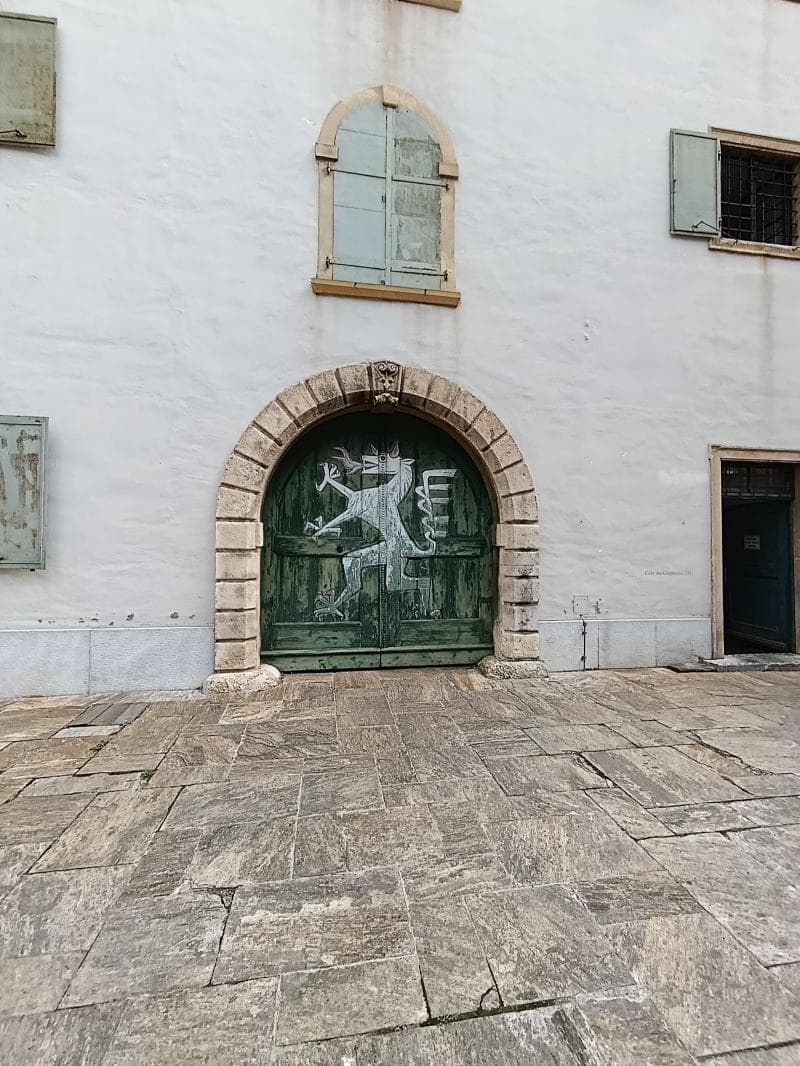
Explore Landhaus Graz, Austria, a Renaissance masterpiece housing the Styrian parliament. Discover its history, unique courtyard, and cultural events.
Overview
Nestled in the heart of Graz, Austria, the Landhaus Graz stands as a magnificent testament to Renaissance architecture and a living symbol of Styrian heritage. This impressive building, often compared to a Venetian palazzo, serves as the esteemed seat of the Styrian provincial parliament. Its most captivating feature is undoubtedly its grand inner courtyard, an architectural jewel that invites visitors to step back in time. The Landhaus is not merely a government building; it is a cultural landmark, a venue for various events, and a central point of interest within Graz's historic center, which is recognized as a UNESCO World Heritage site.
History & Cultural Background
The story of Landhaus Graz began in the late 15th century when the Styrian estates decided to establish a dedicated assembly building in the capital. They acquired a citizen's house in 1494, and from 1527 onwards, it was transformed into the city's first Renaissance structure. The building underwent significant expansion, becoming the largest complex in the historic center during the 16th century. Its main wing and the iconic inner courtyard, which began construction in 1557, were masterfully designed by the Italian architect Domenico dell'Allio. Dell'Allio, a key figure in bringing Northern Italian Renaissance trends to Graz, was also involved in the reconstruction of the Schlossberg fortress, leaving an indelible mark on the city's architectural landscape. Historically, the Landhaus was also commissioned by the Protestant Landstände as a counterpoint to the Burg in Graz, reflecting the complex religious and political dynamics of the era, before the Protestant nobility was later driven out during the Counter-Reformation. The construction of the Landhaus chapel in 1630/31 symbolized the re-establishment of Catholicism in the building.
What Makes It Special
The Landhaus Graz distinguishes itself with its exceptional Italian Renaissance design, making it one of Central Europe's most significant Renaissance buildings. The focal point is its three-story inner courtyard, adorned with elegant arched galleries, Tuscan columns, and intricate details. Visitors are often struck by the 16th-century copper gargoyles and the stunning Mannerist-style bronze fountain that graces the courtyard's center. Beyond its impressive exterior, the Landhaus boasts lavish Baroque interiors. The Landstube, the session hall for the Styrian Parliament, features an elaborate stucco ceiling created by Johann Angelo Formentini, complete with heraldic figures and coats of arms, including the Austrian eagle and the Styrian panther. The Knight's Hall (Rittersaal) is equally captivating, known for its unique stucco ceiling depicting the signs of the zodiac.
Stories, Fun Facts & Local Details
One of the most fascinating historical details of the Landhaus is the existence of the 'Rumortafeln' or 'noise boards.' Dating back to 1588, these special plaques, still present in the courtyard, strictly prohibited quarrels, shouting, and acts of violence within the building, mandating decorous behavior during parliamentary sessions. This offers a glimpse into the formal conduct expected within these historic walls. Culturally, the Landhaus courtyard transforms into a magical setting each Advent season, hosting a famous ice nativity scene carved from solid blocks of ice, a beloved local tradition since 1996. Throughout the year, this atmospheric courtyard serves as a vibrant cultural hub, hosting concerts, theater performances, film screenings, and various celebrations, bringing contemporary life to its historic surroundings. Furthermore, the Landhaus's immediate neighbor is the Landeszeughaus, or Styrian Armoury, which houses one of the world's largest historical collections of weapons and armor, providing a remarkable complement to the Landhaus's rich history.
Visitor Perspective
For any curious traveler, a visit to Landhaus Graz offers a memorable experience. The inner courtyard is remarkably accessible, open 24 hours a day, seven days a week, allowing for leisurely exploration at any time, day or night. This open access provides a unique opportunity to admire the architectural lighting in the evening or soak in the morning tranquility under its ancient arches. While the interior halls and administrative areas may have limited access, especially during parliamentary sessions or private events, checking the schedule in advance is advisable for those hoping for an internal tour. Located centrally on Herrengasse, just a short stroll from Graz's main square, Hauptplatz, the Landhaus is easily reached by public transport, with numerous tram lines stopping nearby. A visit can range from 30 to 60 minutes for a thorough appreciation of the courtyard, extending to 1 to 1.5 hours if interior access is possible. Its prime location also makes it an excellent starting point for further exploration of Graz's charming Old Town.
Coordinates: 15.4394194, 47.0700949
View on Google Maps💬 How Travelers Describe This Place
Based on community votes
Interesting
1.0kBeautiful
869Unique
309Photogenic
100Must See
33
Traveler Stories
Discover memorable experiences shared by travelers who have visited this place.
No traveler stories yet.
Be the first traveler to share what made this place memorable.
Things to see at Landhaus Graz



Tour
By
Spot
Discover amazing places around the world. Your journey starts here.
Explore
© 2026 TourBySpot. All rights reserved.