Knight’s Hall
Graz, Austria
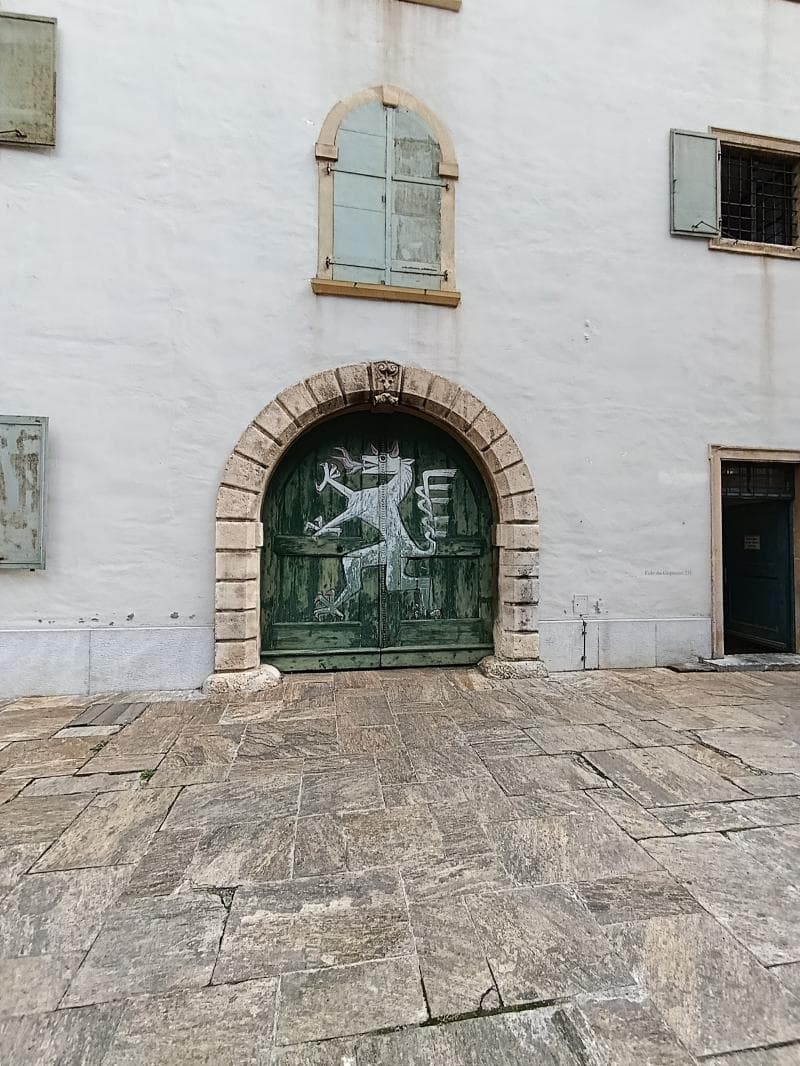
Explore Graz's Knight's Hall within Landhaus Graz, Austria. Discover its Renaissance architecture, zodiac ceiling, and rich history as the Styrian parliament seat.
Overview
Tucked within the grand Landhaus Graz in the heart of Graz, Austria, lies the impressive Knight’s Hall, or Rittersaal. This magnificent space is a key feature of a building widely celebrated as a jewel of Renaissance architecture in Central Europe. The Landhaus itself is not merely a historical landmark but continues to serve a vital role today as the seat of the Styrian provincial parliament. Visitors exploring Graz's charming old town are often drawn to the Landhaus's stunning arcaded inner courtyard, a masterpiece of Italian Renaissance design that immediately sets a captivating tone. The Knight's Hall, with its unique artistic and historical details, offers a deeper glimpse into the region's rich past and cultural heritage.
History & Cultural Background
The history of the Landhaus Graz dates back to the late 15th century, with the Styrian estates acquiring the site in 1494. The building saw significant expansion and transformation over time. While an earlier structure existed, with some sources suggesting the Landhaus and possibly the Knight's Hall's initial construction between 1527 and 1531, it was the influential Italian architect Domenico dell'Allio who, starting in 1557, reshaped it into the architectural marvel we see today. His vision brought the distinctive Northern Italian Renaissance style to Graz, creating a stately complex reminiscent of a Venetian palazzo. The Landhaus became the administrative and political hub for Styria, and the Knight's Hall likely served as a significant assembly or ceremonial room. This period also saw the introduction of the famous 'Rumortafeln' in 1588, unique historical plaques that dictated proper conduct within the premises, sternly forbidding noise and strife.
What Makes It Special
The Knight's Hall is particularly renowned for its elaborate stucco ceiling, a stunning example of artistic craftsmanship that features detailed depictions of the zodiac signs. This intricate ceiling is a highlight, offering a fascinating celestial narrative above. Beyond this specific artistic flourish, the Landhaus as a whole stands out as one of the most important early Renaissance buildings in Styria and Central Europe. Its three-story arcaded courtyard, designed with remarkable precision and elegance, is considered one of the finest Renaissance courtyards north of the Alps. The seamless integration of architectural grandeur with its ongoing function as a parliamentary seat lends a unique character to the Knight's Hall and the entire Landhaus, making it a living piece of history.
Stories, Fun Facts & Local Details
Imagine the historical figures who once walked through the Landhaus's halls and deliberated in rooms like the Knight's Hall. One enduring curiosity is the 'Rumortafeln', or 'boards of commotion', which are still visible today. These fascinating rules from 1588 cautioned against disturbances like drawing swords or fighting, reflecting the desire for decorum during important assemblies. Architect Domenico dell'Allio, whose genius shaped much of the Landhaus, also left his mark on another significant Graz landmark: the Schlossberg fortress, showcasing his diverse architectural talents. The Landhaus courtyard, often likened to a Northern Italian piazza, is not just for admiring architecture; it transforms throughout the year, hosting concerts, film screenings, and, famously during Advent, a magical ice nativity scene, making it a vibrant cultural space for locals and visitors alike.
Visitor Perspective
A visit to the Landhaus Graz and, if accessible, its Knight's Hall, offers a deeply enriching experience for any curious traveler. While the Landhaus courtyard is almost always open for visitors to stroll through and admire its Renaissance splendor, access to the interior rooms like the Knight's Hall can vary depending on parliamentary sessions or events. It is often recommended to inquire about specific visiting hours for the interior to ensure you can experience the intricate zodiac ceiling. Should the Knight's Hall be open, allocate ample time, perhaps 1 to 1.5 hours, to appreciate the artistic details and soak in the historical atmosphere. Located conveniently on Herrengasse, a main street in Graz, the Landhaus is easily combined with a visit to other nearby attractions, such as the Styrian Armoury, making it a perfect stop on a walking tour of Graz's historic center.
Coordinates: 15.439504, 47.070714
View on Google Maps💬 How Travelers Describe This Place
Based on community votes
Must See
551Interesting
421Photogenic
366Beautiful
298Unique
212
Traveler Stories
Discover memorable experiences shared by travelers who have visited this place.
No traveler stories yet.
Be the first traveler to share what made this place memorable.

Tour
By
Spot
Discover amazing places around the world. Your journey starts here.
Explore
© 2026 TourBySpot. All rights reserved.