Seasonal Ice Nativity
Graz, Austria
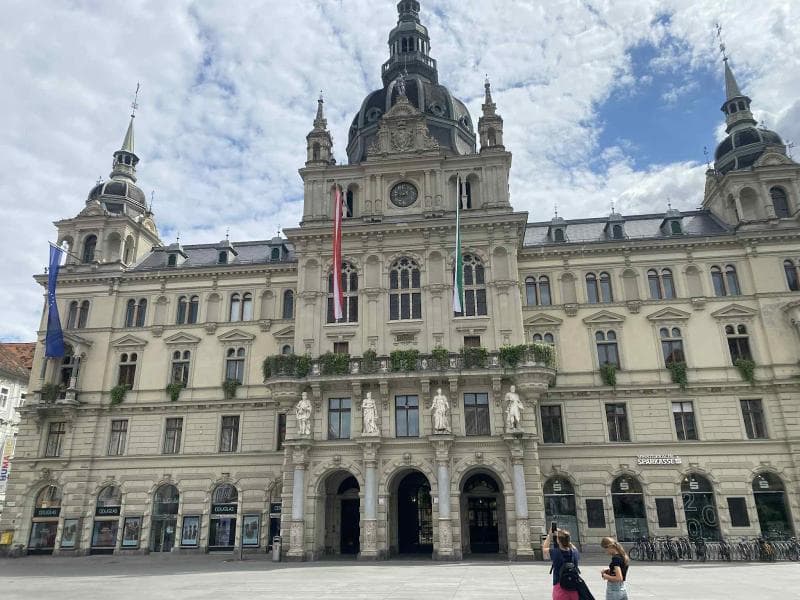
Discover Graz's magical Seasonal Ice Nativity at Landhaus Graz, Austria. Explore the history and unique artistry of this stunning ice sculpture, a winter highlight.
Overview
Deep within the historic heart of Graz, Austria, lies a captivating winter spectacle known as the Seasonal Ice Nativity, or 'Eiskrippe'. Housed within the magnificent Renaissance courtyard of the Landhaus Graz, this ephemeral artwork transforms approximately 35 to 50 tons of crystal-clear ice into a stunning depiction of the Christmas nativity scene. It stands as a beacon of festive tradition during the Advent season, drawing visitors from near and far to witness its shimmering beauty.
Every year, from late November or early December until early January, the Landhaus courtyard becomes an open-air gallery for this unique ice sculpture. Its grandeur is amplified by the historic arcaded backdrop of the Landhaus, a 16th-century Renaissance edifice that serves as the seat of the Styrian parliament. The Seasonal Ice Nativity is not merely a static display; it is a dynamic work of art, constantly battling the elements and offering a slightly different experience depending on the weather's whim.
History & Cultural Background
The tradition of the Seasonal Ice Nativity in Graz began in 1996, born from an initiative by the Graz tourist association. It quickly garnered international attention as the world's first and, for many years, only Christmas crib crafted entirely from clear ice on such a monumental scale. The original concept and artistic direction came from the renowned Villach ice artist, Gert J. Hödl, who, alongside a dedicated team, meticulously carved the initial sculptures from 156 ice blocks weighing approximately 23 tons.
Over the years, the Eiskrippe has evolved, with the amount of ice increasing to ensure greater durability, reaching up to 45 tons by 2003. Since 2014, the artistic mantle has been passed to Finnish ice artist Kimmo Frosti and his international team of carvers, who continue to bring this cherished tradition to life. The Eiskrippe has become an indispensable part of Graz's Advent celebrations, weaving together historical architecture with contemporary ice artistry to create a profound cultural experience.
What Makes It Special
The Graz Ice Nativity is special for several compelling reasons. Firstly, its sheer scale and the medium itself set it apart; life-sized figures carved from 35 to 50 tons of pure, crystal-clear ice create a breathtaking tableau that is both impressive and delicate. Standing approximately 5 meters high and 7 meters long, it's a testament to the skill and vision of its creators.
Secondly, its ephemeral nature adds a unique charm. Being made of ice, the sculpture is subject to the whims of winter weather. This means that each year, and even each day, the nativity scene may subtly change, making every viewing a singular event. To counteract significant melting, replacement figures are kept in reserve, ready to maintain the integrity of the display. Finally, the setting within the Landhaus courtyard, with its elegant Renaissance arcades, provides a historical and architectural frame that enhances the spiritual and artistic impact of the ice sculpture, especially when bathed in atmospheric lighting after dusk.
Stories, Fun Facts & Local Details
One memorable instance of the Eiskrippe's unique history occurred in 2003, when Graz was the European Capital of Culture. As a playful tribute to Graz's famous son, Arnold Schwarzenegger, who had recently become the Governor of California, artist Gert J. Hödl incorporated a bear – the Californian heraldic animal – into the background of the Holy Family. This whimsical detail significantly boosted the nativity's international media interest.
The creation process itself is a fascinating spectacle. Renowned artists like Kimmo Frosti and his team work under immense pressure, using chainsaws, chisels, and milling machines to sculpt the ice, often racing against time and temperature fluctuations to complete their intricate work before the elements take their toll. The pure, transparent ice blocks are specially crafted to allow light to refract uniquely, making the figures appear almost alive, especially during the evening when the scene is illuminated with vibrant colors. This internal illumination creates a magical glow that can't be replicated by external lighting alone.
Visitor Perspective
For a curious traveler, visiting the Seasonal Ice Nativity in Landhaus Graz offers an unforgettable experience. The Landhaus courtyard, a historical masterpiece itself, is freely accessible daily, typically from 8:00 AM to 9:00 PM during the exhibition period. Visitors have the option to see the intricate details of the carving in natural daylight or witness the magical transformation as dusk falls and the ice figures come alive with a colorful, internal glow.
The location is easily reachable, nestled in the heart of Graz's Old Town. A local tip suggests taking advantage of the free tram travel within certain zones of the city center, making access hassle-free. The Eiskrippe is an essential part of the larger Advent in Graz experience, complementing the city's festive markets and illuminated streets. It provides a moment of serene beauty and reflection, reminding visitors of both the artistic ingenuity and the rich cultural traditions that define this Austrian city during the holiday season. It's a truly mesmerizing and moving display that captures the spirit of Advent.
Coordinates: 15.4395, 47.0707
View on Google Maps💬 How Travelers Describe This Place
Based on community votes
Beautiful
804Unique
733Must See
563Interesting
404Photogenic
336
Traveler Stories
Discover memorable experiences shared by travelers who have visited this place.
No traveler stories yet.
Be the first traveler to share what made this place memorable.

Tour
By
Spot
Discover amazing places around the world. Your journey starts here.
Explore
© 2026 TourBySpot. All rights reserved.