Assembly Hall
Graz, Austria
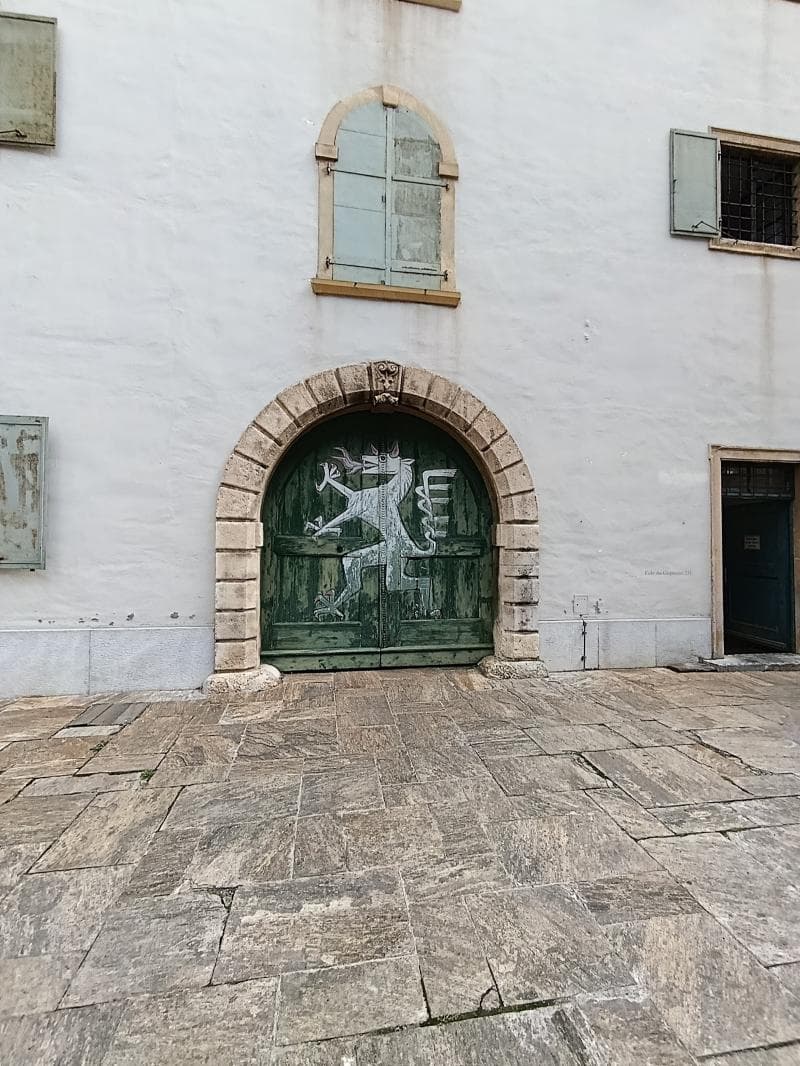
Explore the historic Assembly Hall inside Landhaus Graz, Austria. Discover Renaissance architecture, Baroque halls, and the rich history of Styria's parliament.
Overview
Nestled in the heart of Graz, Austria, the Assembly Hall within the historic Landhaus Graz offers a captivating journey into the region's rich past and vibrant present. This architectural masterpiece, primarily Renaissance in style, is not merely a building but a living testament to centuries of Styrian history. Built from 1527, with its main wing completed in 1557 by the Italian architect Domenico dell'Allio, the Landhaus was designed to be the prestigious seat of the Styrian provincial estates. Today, it continues its historical function as the meeting place for the Styrian provincial parliament, making it a unique blend of heritage and contemporary governance.
The term 'Assembly Hall' at Landhaus Graz typically refers to two significant interiors: the opulent Landstube, which serves as the modern plenary hall, and the historically rich Rittersaal (Knights' Hall). Both halls, alongside the stunning arcaded courtyard, showcase exquisite craftsmanship and artistic detail, inviting visitors to step back in time and experience the grandeur of bygone eras.
History & Cultural Background
The story of the Landhaus Graz begins in the late 15th century when the Styrian estates sought a permanent assembly place in Graz. They acquired a burgher house in Herrengasse in 1494, which would later evolve into the sprawling complex we see today. The need for a more representative and spacious edifice led to significant construction and renovation, especially from 1527 to 1531.
A pivotal moment in its architectural development came in 1555 when Domenico dell'Allio, a master fortress builder from Northern Italy, was commissioned to undertake a major redesign. He transformed the Landhaus into a magnificent structure reminiscent of Venetian palazzos, introducing the distinct Renaissance elements such as ornate arched windows and the iconic three-story arcaded courtyard. Over centuries, the building saw various additions and embellishments, particularly Baroque elements, including the Landhaus Chapel built in 1630/31. This chapel, with its black-and-gold Jesuit-style altar, symbolized the re-establishment of Catholicism in the region after the expulsion of Protestant estates.
What Makes It Special
What truly sets the Assembly Hall apart are the unique individual characteristics of its primary spaces: the Landstube and the Rittersaal. The Landstube, now the plenary hall of the state parliament, is a Baroque marvel. Its ceiling is adorned with intricate stucco work by Johann Angelo Formentini, featuring plastic figures and coats of arms, while impressive porcelain stoves depict the Austrian eagle and the Styrian panther.
The Rittersaal, or Knights' Hall, captures the imagination with its elaborate stucco ceiling depicting the signs of the zodiac, a detail that reflects the artistic and scientific interests of its time. Originally used for festive receptions and banquets, and later as a theater and concert hall, its artistic richness and historical versatility are remarkable. Pietro Angelo Formentini also contributed to the stucco decoration of the Rittersaal, completing it in 1746. These halls, alongside the overall Renaissance charm of the Landhaus, offer an unparalleled glimpse into European architectural and political history.
Stories, Fun Facts & Local Details
One fascinating detail embedded within the Landhaus's history is the 'Rumortafeln', or 'Noise Tablets'. Dating back to 1588, these special plaques in the courtyard strictly prohibited quarrels, shouting, or any manifestations of violence within the Landhaus. This ancient rule, still formally observed today, speaks volumes about the desired atmosphere of calm and dignity for parliamentary proceedings.
Beyond its serious political role, the Landhaus courtyard transforms into a magical space during winter, hosting the famous Christmas ice nativity scene carved from solid blocks of ice, enchanting locals and visitors alike. Throughout the year, this magnificent arcaded courtyard, considered one of Europe's finest, serves as a backdrop for various cultural events, concerts, and theatre performances, breathing continuous life into this historic monument.
Visitor Perspective
As a curious traveler, a visit to the Assembly Hall within Landhaus Graz is an immersive experience. Stepping through its grand entrance and into the arcaded courtyard, one immediately feels transported to the Renaissance era. The architectural details, from the copper gargoyles to the Mannerist bronze fountain, beckon for close observation.
While access to the Landstube may be limited to specific tours or parliamentary sessions, admiring its splendor, even from a distance or through descriptions, offers a deep appreciation for its Baroque artistry. The Rittersaal, with its celestial ceiling, invites contemplation of its past uses, from solemn assemblies to lively celebrations. The Landhaus is more than a historical landmark; it's a vibrant center where history, art, and modern governance converge, offering a meaningful connection to Graz's enduring legacy. Its central location in Herrengasse also makes it an ideal starting point for further exploration of Graz's charming old town.
Coordinates: 15.421371, 47.076668
View on Google Maps💬 How Travelers Describe This Place
Based on community votes
Photogenic
551Interesting
547Unique
336Beautiful
219Must See
186
Traveler Stories
Discover memorable experiences shared by travelers who have visited this place.
No traveler stories yet.
Be the first traveler to share what made this place memorable.

Tour
By
Spot
Discover amazing places around the world. Your journey starts here.
Explore
© 2026 TourBySpot. All rights reserved.