Kungsträdgården
Stockholm, Sweden
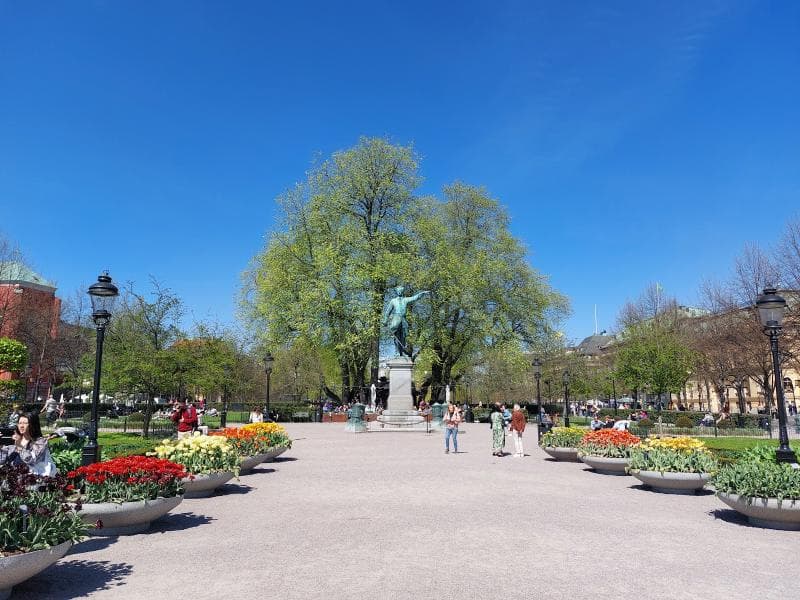
Discover Kungsträdgården, Stockholm's vibrant King's Garden. Explore its rich history, cherry blossoms, ice rink, and cultural events in central Sweden.
Overview
Kungsträdgården, affectionately known as 'Kungsan' by locals, is a dynamic urban park nestled in the heart of Stockholm, Sweden. More than just a green space, it serves as a central meeting point and cultural hub, bustling with activity throughout the year. From the spectacular cherry blossoms of spring to the popular ice-skating rink in winter, Kungsträdgården offers a continually evolving experience. Its prime location in the Norrmalm district makes it easily accessible and a natural focal point for both residents and visitors seeking recreation, culture, and relaxation. The park seamlessly blends historical charm with modern city life, acting as an open-air living room for the Swedish capital.
History & Cultural Background
The history of Kungsträdgården stretches back to the 15th century when it began as a practical royal vegetable garden, known as a 'kålgård'. Under King Erik XIV in the 16th century, it transformed into a grand Baroque pleasure garden, reserved exclusively for the royal court. Adjacent to the park once stood the magnificent Makalös Palace, which was unfortunately destroyed by fire in 1825.
The park gradually opened its gates to the public in the 1770s, evolving from a private royal enclosure into a more accessible public space. Significant transformations occurred in the 19th and 20th centuries, with avenues, sculptures, and pathways being added, shaping the park into its current form. A pivotal moment in its modern history was the 'Battle of the Elms' in 1971. This series of public protests successfully prevented the felling of elm trees for a planned subway entrance, marking a significant victory for environmental activism and civic engagement in Sweden. The subway station itself, opened in 1977, now pays homage to the park's rich past through its artistic design.
What Makes It Special
Kungsträdgården's unique charm lies in its seasonal transformations and diverse offerings. Each spring, typically between late March and mid-April, the park's 60 Japanese cherry trees burst into magnificent pink bloom, drawing thousands to witness one of Stockholm's most photographed natural spectacles. These cherry trees were a gift from the Japanese government to King Carl XVI Gustaf.
During the warmer months, the park becomes an active stage for open-air concerts, festivals, and cultural events, hosting over 200 events annually. When winter arrives, the central fountain transforms into a popular ice-skating rink, offering a magical experience in the heart of the city.
Beneath the surface, the Kungsträdgården metro station is an attraction in itself. Designed as an 'underground cave' with vibrant colors and exposed rock, it features art by Ulrik Samuelson, incorporating elements inspired by the Makalös Palace. This station is also notable as the only place in Northern Europe where a unique cave-dwelling spider, Lessertia dentichelis, and a previously unknown fungus have been discovered.
Stories, Fun Facts & Local Details
- The name 'Kungsträdgården' directly translates to 'King's Garden', reflecting its royal heritage. It is affectionately nicknamed 'Kungsan'.
- The Molin's Fountain, a prominent feature in the park, is a bronze masterpiece by Johan Peter Molin. It depicts mythological figures, including the sea god Ægir, his wife Rán, and their nine daughters, listening to the river spirit Nix play his harp, symbolizing Stockholm's unique position between Lake Mälaren and the Baltic Sea.
- The statues of King Charles XII and King Charles XIII stand in separate squares within the park, each with their own historical significance. The statue of Charles XII, the 'war king', points towards Russia.
- The annual Cherry Blossom Day in April celebrates Japanese culture with performances and food, a testament to the park's global connections.
- Kungsträdgården is one of the most accessible parks in Stockholm, reachable by metro directly to the Kungsträdgården station on the blue line, as well as by numerous bus and tram routes. It's also a short walk from major landmarks like the Royal Palace and Gamla Stan.
Visitor Perspective
As a visitor, you'll find Kungsträdgården to be a welcoming space for various activities. Whether you wish to relax on a bench, enjoy a coffee at one of the outdoor cafés, or simply soak in the lively atmosphere, the park caters to all. Admission is completely free, and the park is open 24 hours a day, all year round.
The park is a photographer's delight, especially during the cherry blossom season. It also offers a chance to engage with local culture through its many events, from summer music to winter ice skating. You might even stumble upon a game of outdoor chess or find a quiet corner for reflection. Its central location makes it an ideal starting point for exploring other parts of Stockholm, connecting the modern shopping districts with the historic Gamla Stan.
Coordinates: 18.0695, 59.3254
View on Google Maps💬 How Travelers Describe This Place
Based on community votes
Interesting
791Photogenic
514Unique
457Beautiful
252Must See
19
Traveler Stories
Discover memorable experiences shared by travelers who have visited this place.
No traveler stories yet.
Be the first traveler to share what made this place memorable.
Things to see at Kungsträdgården



Tour
By
Spot
Discover amazing places around the world. Your journey starts here.
Explore
© 2026 TourBySpot. All rights reserved.