Walking Paths
Stockholm, Sweden
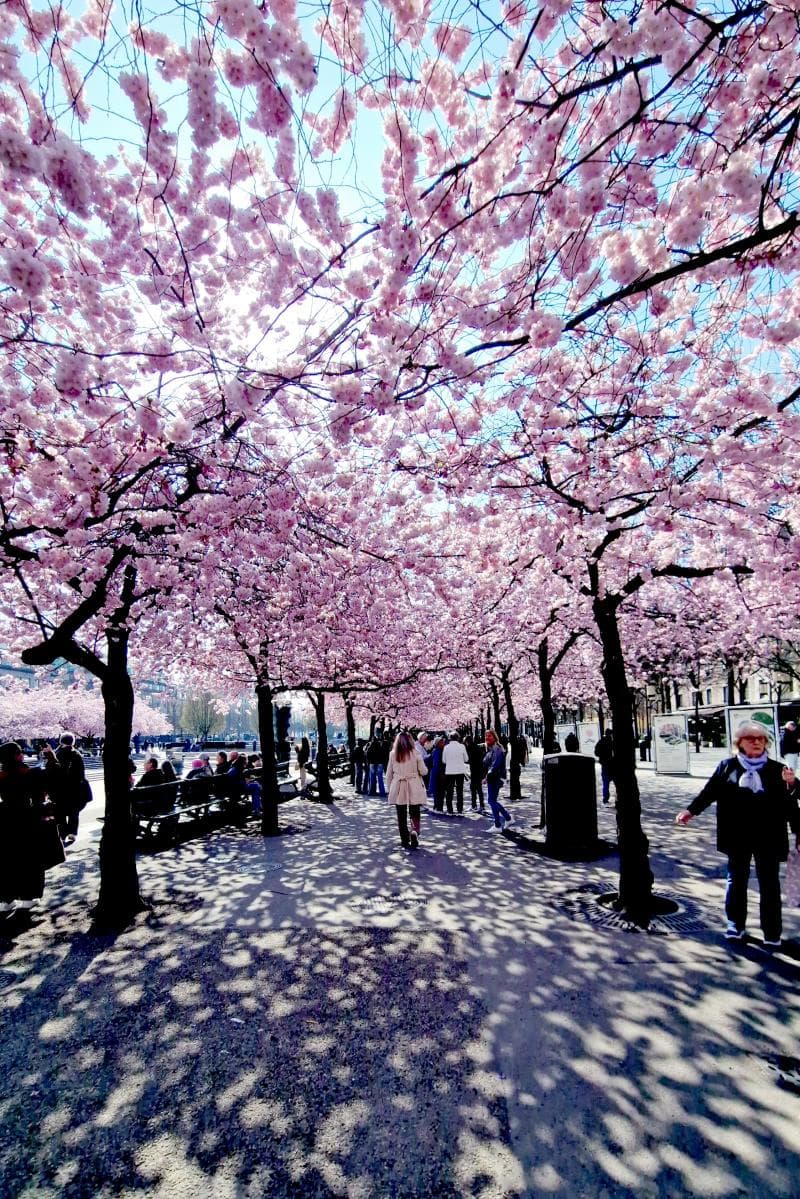
Explore the historic walking paths of Kungsträdgården in Stockholm, Sweden. Discover its royal past, cherry blossoms, Molin's Fountain, and vibrant events.
Overview
Nestled in the vibrant heart of Stockholm, Sweden, Kungsträdgården – affectionately known by locals as 'Kungsan' – stands as a dynamic public park that seamlessly blends historical grandeur with contemporary urban life. It serves as a central meeting point and a cultural nexus, offering a captivating experience for every visitor. From leisurely strolls along its well-maintained walking paths to enjoying year-round events, Kungsträdgården transforms with the seasons, presenting a different charm whether blanketed in spring cherry blossoms or adorned with a winter ice rink.
The park's central location makes it an ideal spot for relaxation, people-watching, and soaking in the city's unique atmosphere. It’s not merely a green space but an essential component of Stockholm's social fabric, drawing both residents and travelers to its various attractions and serene corners.
History & Cultural Background
The history of Kungsträdgården is as rich and varied as Stockholm itself, tracing its origins back to the Middle Ages. The site was first documented in 1430, not as a decorative park, but as the 'konungens kålgård,' or 'king's cabbage garden,' serving a utilitarian purpose for the royal court. Over the centuries, this practical garden evolved significantly. By the 17th and 18th centuries, it had been transformed into an enclosed royal pleasure garden, meticulously designed in the fashionable Baroque style, though access remained exclusive to the court.
A pivotal shift occurred during the 18th and 19th centuries as Kungsträdgården gradually opened its gates to the public. It began to take on the form of an open park, with the addition of avenues, sculptures, and dedicated walking paths. The area was once home to the magnificent Makalös Palace, an impressive structure of its time that was tragically destroyed by fire in 1825. The 20th century saw Kungsträdgården fully embrace its role as a vibrant public space, undergoing a major transformation for Stockholm's 700th anniversary in 1953.
A notable chapter in its history is the 'Battle of the Elms' in the early 1970s. This series of protests successfully prevented the demolition of historic elm trees to make way for a metro station entrance, marking a significant moment in Swedish environmental and urban planning activism.
What Makes It Special
Kungsträdgården's unique allure lies in its remarkable ability to offer diverse experiences throughout the year. In spring, the park is famed for its breathtaking display of Japanese cherry blossoms. These 63 trees, a gift from the Japanese government to King Carl XVI Gustaf, transform the park into a sea of soft pink, drawing crowds who come to celebrate the arrival of spring and capture its ephemeral beauty.
During summer, the park becomes Stockholm's grand outdoor stage, hosting an array of concerts, festivals, and cultural events. When winter arrives, Kungsträdgården undergoes another magical transformation, featuring a popular outdoor ice rink that invites visitors of all ages to glide across the ice in a festive setting. The park is thoughtfully divided into distinct zones, including the Charles XII Square, Molin's Fountain, Charles XIII Square, and the modern Wolodarski Fountain, each contributing to its unique character. Molin's Fountain, a bronze masterpiece featuring mythological figures like the ocean god Ægir, symbolizes Stockholm's intrinsic connection to water.
Even the Kungsträdgården Metro Station is a marvel, renowned for its art designed by Ulrik Samuelson. Opened in 1977, the station is an underground 'garden' that draws inspiration from the park's past, with vibrant colors and exposed rock walls, often considered one of the most artistic stations in the world.
Stories, Fun Facts & Local Details
- The King's Cabbage Garden: The park's earliest known name, 'konungens kålgård,' translates directly to 'king's cabbage garden,' a fun reminder of its humble beginnings as a royal vegetable patch.
- Kungsan: Locals affectionately refer to Kungsträdgården by its shorter, warmer nickname, 'Kungsan,' highlighting its beloved status in the city.
- Molin's Fountain: This iconic fountain not only serves as a beautiful centerpiece but its intricate mythological sculptures tell a story, symbolizing Stockholm's maritime heritage and its position between Lake Mälaren and the Baltic Sea.
- The Battle of the Elms: This famous 1971 protest was a landmark event where citizens chained themselves to elm trees to prevent them from being cut down for a subway entrance. The protesters won, saving the trees and influencing future urban development in Stockholm.
- Outdoor Living Room: Kungsträdgården is often described as Stockholm's 'outdoor living room' due to its role as a central, welcoming space for people to gather, relax, and engage in daily life.
- Chess and Coffee: It's common to see people enjoying a game of outdoor chess or sipping coffee at one of the park's many outdoor cafes, embracing the Swedish 'fika' culture in a scenic setting.
Visitor Perspective
Exploring the walking paths of Kungsträdgården offers a truly authentic Stockholm experience. Its central location makes it incredibly easy to access, particularly via the uniquely artistic Kungsträdgården Metro Station, which itself is an attraction. As you wander through the park, you’ll encounter various 'outdoor rooms' – from the serene Charles XII Square to the bustling areas around the Molin's Fountain. These paths connect you not only to different sections of the park but also seamlessly link the modern shopping districts with the historic charm of Gamla Stan (Old Town), making it a perfect starting point for city exploration.
Whether you're seeking a quiet moment amidst nature, a lively cultural event, or simply a place to observe the rhythm of Stockholm life, the paths of Kungsträdgården cater to all. It's a place where history resonates with the present, and every turn offers a glimpse into the city's soul.
Coordinates: 18.07128, 59.33096
View on Google Maps💬 How Travelers Describe This Place
Based on community votes
Unique
445Interesting
416Must See
289Beautiful
141Photogenic
33
Traveler Stories
Discover memorable experiences shared by travelers who have visited this place.
No traveler stories yet.
Be the first traveler to share what made this place memorable.

Tour
By
Spot
Discover amazing places around the world. Your journey starts here.
Explore
© 2026 TourBySpot. All rights reserved.