Event Spaces
Stockholm, Sweden
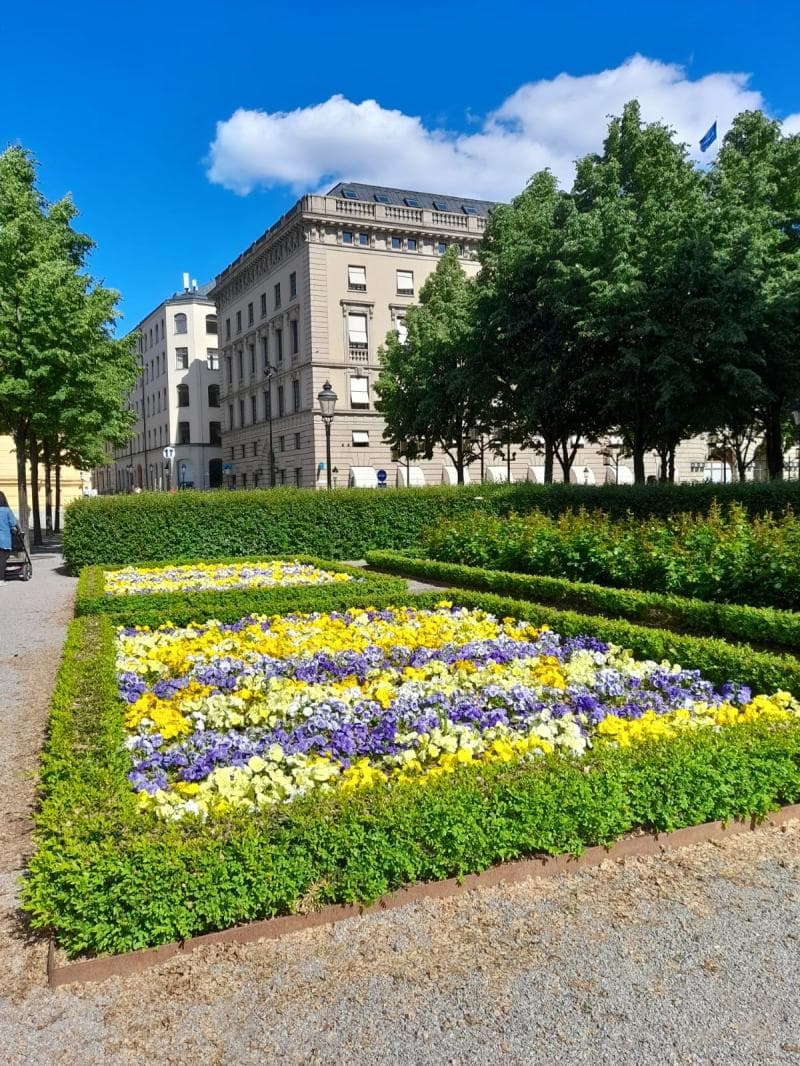
Discover Kungsträdgården's vibrant event spaces in Stockholm, Sweden. Explore its history, famous cherry blossoms, ice rink, and cultural events.
Overview
Nestled in the bustling heart of Stockholm, Sweden, Kungsträdgården, affectionately known by locals as 'Kungsan', stands as a vibrant central park and a dynamic hub for public life. More than just a green space, it functions as Stockholm's premier open-air venue, hosting a diverse array of 'event spaces' that adapt with the seasons. From its famous spring cherry blossoms to summer concerts and winter ice skating, Kungsträdgården offers a constant rotation of cultural activities and gatherings. Its strategic location, surrounded by significant landmarks and easily accessible, makes it an indispensable meeting point for both residents and visitors seeking entertainment, relaxation, and connection.
History & Cultural Background
The story of Kungsträdgården is one of remarkable transformation, tracing its origins back to the 15th century as a royal vegetable garden, or 'kålgård'. Under King Erik XIV in 1565, it evolved into a lavish Baroque pleasure garden, a private oasis exclusively for the royal court. By the 1770s, a pivotal change occurred, and the garden was opened to the public, beginning its journey towards becoming the democratic urban park it is today.
Significant changes in the 19th century, particularly after the 1825 fire of Makalös Palace, saw the park expand and gradually take on its current form, adorned with tree-lined avenues and prominent statues. The 20th century further cemented its role as a public space, notably undergoing a major transformation for Stockholm's 700th anniversary in 1953. This rich history is visibly woven into the fabric of the park, blending royal heritage with contemporary urban life.
What Makes It Special
What truly distinguishes Kungsträdgården is its extraordinary versatility and year-round appeal as a cultural crossroads. Each spring, the park transforms into a breathtaking spectacle with the bloom of approximately 60 cherry trees, a gift from the Japanese government to King Carl XVI Gustaf. This ephemeral display, typically peaking between late March and mid-April, draws thousands who gather beneath the pink canopy to welcome the season, often accompanied by Japanese cultural performances and festivities.
During the warmer months, the park's open spaces and main stage become an outdoor auditorium for concerts, festivals, and various cultural performances. In winter, the central fountain gracefully transforms into a popular ice-skating rink, complete with evening lighting and music, creating a magical winter wonderland. The park annually hosts over 200 events, ranging from art installations and public celebrations to markets, making it a constant source of activity and enjoyment for all ages.
Stories, Fun Facts & Local Details
Kungsträdgården is not only a place of beauty and recreation but also a site of significant civic action. One of its most famous anecdotes is 'The Battle of the Elms' (Almstriden) in May 1971. When plans were announced to remove 13 elm trees to make way for a subway entrance, thousands of citizens protested, chaining themselves to the trees. This successful demonstration not only saved the trees but also marked a turning point in Sweden's environmental movement and urban planning, showcasing the power of public participation.
Another iconic feature is Molin's Fountain, sculpted by Johan Peter Molin in 1866. Originally a plaster piece for an art exhibition, its popularity led to its permanent bronze casting and installation in the park in 1873. The park's subway station is also an artistic marvel, designed as an underground cave with vibrant ceilings and exposed rock, incorporating architectural fragments and references to the demolished Makalös Palace.
Visitor Perspective
For visitors, Kungsträdgården offers a dynamic and ever-changing experience. It's a place where you can easily immerse yourself in local culture, witness vibrant festivals, or simply find a bench to people-watch. The park is accessible 24 hours a day, providing opportunities for quiet strolls among the cherry blossoms or lively participation in a summer concert. Whether you're gliding across the ice in winter, enjoying a 'fika' (coffee break) at one of the cafes, or attending a major festival, Kungsträdgården truly embodies Stockholm's spirit as an open, welcoming, and culturally rich city.
Coordinates: 18.0695, 59.3254
View on Google Maps💬 How Travelers Describe This Place
Based on community votes
Must See
995Unique
839Beautiful
388Interesting
289Photogenic
141
Traveler Stories
Discover memorable experiences shared by travelers who have visited this place.
No traveler stories yet.
Be the first traveler to share what made this place memorable.

Tour
By
Spot
Discover amazing places around the world. Your journey starts here.
Explore
© 2026 TourBySpot. All rights reserved.