Cherry Blossom Avenue
Stockholm, Sweden
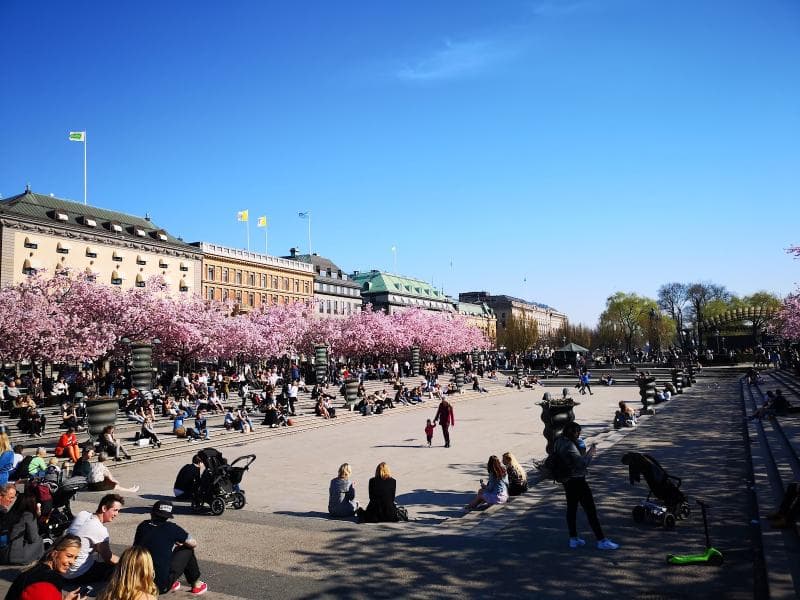
Discover Cherry Blossom Avenue in Kungsträdgården, Stockholm. Experience the stunning spring bloom and rich history of this iconic Swedish park.
Overview
Nestled in the heart of Stockholm, Sweden, Kungsträdgården is a vibrant urban park affectionately known as 'Kungsan' by locals. Its central location makes it a beloved meeting place, bustling with activity throughout the year. While the park offers various attractions, its 'Cherry Blossom Avenue' transforms into a breathtaking spectacle each spring, drawing thousands of visitors. Around 60 Japanese cherry trees, primarily of the Prunus 'Accolade' variety, burst into bloom, creating a magnificent pink canopy. This fleeting, yet intensely beautiful, display typically peaks between late March and mid-April, lasting for about one to two weeks, depending on the weather. The annual Cherry Blossom Day festival further enhances the experience, celebrating Japanese culture with performances and festivities, cementing Kungsträdgården as one of Stockholm's most photographed spots during this magical season.
History & Cultural Background
Kungsträdgården, meaning 'The King's Garden,' boasts a rich history dating back to the Middle Ages. Its earliest mention in historical records, from 1430, refers to it as 'konungens kålgård,' or the 'king's cabbage garden,' serving as a utilitarian space for cultivating vegetables and herbs for the royal court. Over centuries, this functional garden evolved into a grand Baroque pleasure garden during the 17th and 18th centuries, eventually opening to the public in the 1770s.
The cherry trees that form the iconic avenue are a profound symbol of international friendship. In 1970, the Japan Women's Club generously donated 1800 cherry trees to Sweden to foster goodwill between the two nations. These trees found a home in the Swedish capital, with 63 Japanese sakura trees specifically planted in Kungsträdgården in 1998, replacing older elm trees. In Japanese culture, the sakura, or cherry blossom, carries deep symbolic meaning, representing the ephemeral nature of life and the profound appreciation of beauty. This tradition of 'hanami,' or flower-viewing, has been warmly embraced by many Swedes, who gather to celebrate the arrival of spring under the soft pink petals.
What Makes It Special
The 'Cherry Blossom Avenue' in Kungsträdgården is particularly special due to the sheer density and arrangement of its trees. When in full bloom, they form an enchanting tunnel-like experience, enveloping visitors in a delicate pink glow. This natural artistry transforms the urban landscape into a scene often described as fairy-tale-like, making it an irresistible magnet for photographers and nature enthusiasts alike. The park's ability to host the annual Cherry Blossom Day festival further distinguishes it. This event immerses visitors in Japanese culture with traditional performances, food stalls, and other festivities, creating a unique blend of international cultural celebration within a historical Swedish setting. The vibrant blossoms also provide a stunning contrast against the backdrop of significant Stockholm landmarks, such as the nearby Royal Palace, blending royal history with modern city life.
Stories, Fun Facts & Local Details
Beyond its visual appeal, Kungsträdgården holds numerous charming details. It's often referred to as Stockholm's 'open-air living room,' highlighting its role as a beloved public space. The bloom period of the cherry blossoms is famously brief, typically lasting only one to two weeks. This fleeting beauty imbues the event with a sense of urgency and preciousness, making its annual arrival a highly anticipated occasion that signals the end of the long Scandinavian winter.
A fascinating detail lies beneath the surface: the Kungsträdgården metro station itself is an acclaimed art installation. Designed as an underground cave, its vibrant ceilings, exposed rock walls, and sculptures tell the story of the site's past. Remarkably, the station is also the only place in Northern Europe where the cave-dwelling Lessertia dentichelis spider can be found, believed to have hitched a ride on construction equipment from Southern Europe.
Visitor Perspective
For those planning to experience the 'Cherry Blossom Avenue,' timing is key. The bloom generally occurs between mid-April and early May, but this can vary based on winter and spring temperatures. Monitoring local bloom forecasts is advisable to catch the blossoms at their peak. To enjoy a more serene experience, particularly for photography or quiet reflection, visiting early in the morning is highly recommended, as the park can become quite crowded during midday. Entry to Kungsträdgården is free year-round, making it an accessible attraction for everyone. Its central location ensures easy access, with the Kungsträdgården metro station directly serving the park, and it's just a short, pleasant walk from Stockholm's historic Gamla Stan (Old Town) and the Royal Palace. Walking beneath the blossoming trees, surrounded by soft pink petals, offers a truly magical and mindful experience, a cherished memory for any traveler.
Coordinates: 18.0695, 59.3254
View on Google Maps💬 How Travelers Describe This Place
Based on community votes
Interesting
989Unique
613Photogenic
581Must See
514Beautiful
207
Traveler Stories
Discover memorable experiences shared by travelers who have visited this place.
No traveler stories yet.
Be the first traveler to share what made this place memorable.

Tour
By
Spot
Discover amazing places around the world. Your journey starts here.
Explore
© 2026 TourBySpot. All rights reserved.