Kota Tua Jakarta
Jakarta, Indonesia
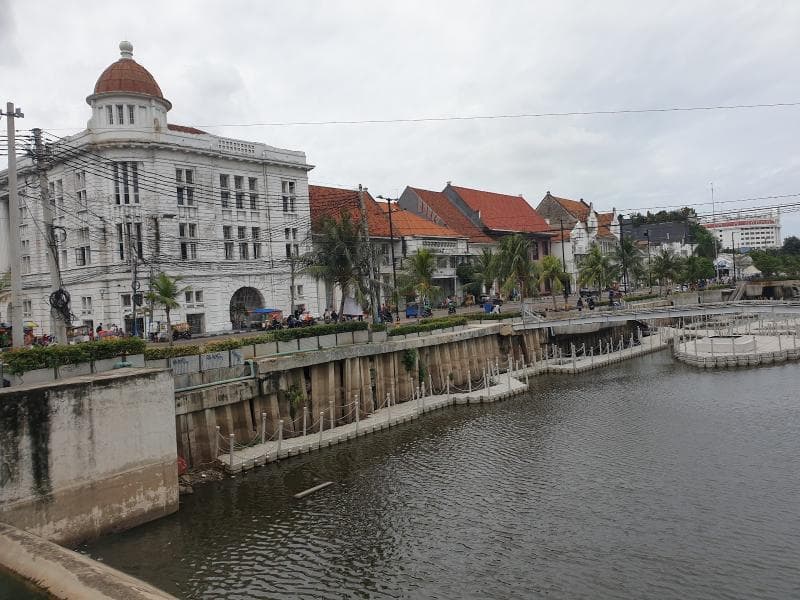
Explore Kota Tua Jakarta, Indonesia's historic Old Town. Discover Dutch colonial architecture, fascinating museums, and vibrant Fatahillah Square.
Overview
Step into a living history book when you visit Kota Tua Jakarta, affectionately known as 'Old Town Jakarta'. This vibrant district, nestled within the bustling capital of Indonesia, offers a captivating journey back in time. Spanning approximately 1.3 square kilometers, Kota Tua is the original downtown area of Jakarta and serves as a poignant reminder of the city's colonial past. It is famously referred to as 'Oud Batavia' or 'Old Batavia', reflecting its historical role as the administrative and commercial heart of the Dutch East Indies.
Unlike the modern skyscrapers and contemporary sprawl of present-day Jakarta, Kota Tua presents a distinct European ambiance, characterized by its well-preserved 17th and 18th-century Dutch-style buildings, charming squares, and canal-side settings. It's a place where history intertwines with contemporary street life, drawing both locals and international travelers eager to explore its rich heritage and unique atmosphere.
History & Cultural Background
The story of Kota Tua begins long before the Dutch arrived. The area was initially known as Jayakarta, a port city established after the Sultanate of Demak invaded Sunda Kelapa in 1526. However, its fate took a dramatic turn in 1619 when the Dutch East India Company (VOC), under Jan Pieterszoon Coen, destroyed Jayakarta and subsequently built a new city called 'Batavia'. Named after the supposed ancestors of the Dutch, Batavia was meticulously designed with Dutch urban planning principles, featuring a fortress, city walls, public squares, churches, canals, and tree-lined streets.
Batavia quickly became the strategic headquarters of the VOC in the East Indies, flourishing from the lucrative spice trade. For centuries, it remained the de facto capital of the Dutch East Indies, a crucial hub in global commerce, earning it the moniker 'The Jewel of Asia' by European sailors in the 16th century. The distinct architectural style, reminiscent of 17th-century Dutch design with high sash windows and gable roofs, was adapted to the tropical climate, creating a unique colonial cityscape that endures today.
What Makes It Special
What truly sets Kota Tua apart is its concentrated collection of historical landmarks and cultural institutions, all centered around the iconic Fatahillah Square (Taman Fatahillah). This spacious, pedestrian-friendly plaza acts as the nerve center of the old town, surrounded by some of Jakarta's most significant museums.
Key attractions include the Jakarta History Museum, housed in the former 18th-century City Hall (Stadhuis), which offers a comprehensive journey through Jakarta's past from prehistoric times to its independence. Other notable museums include the Wayang Museum, dedicated to Indonesian puppet art; the Museum of Fine Arts and Ceramics, once the Court of Justice; the Bank Indonesia Museum; and the Bank Mandiri Museum, each offering unique insights into different facets of Indonesian history and culture.
Beyond the museums, visitors can explore the striking red building of Toko Merah, one of Jakarta's oldest structures built in 1730, or venture north to Sunda Kelapa Harbour, a working port where traditional wooden pinisi ships still dock, offering a glimpse into Jakarta's maritime legacy.
Stories, Fun Facts & Local Details
Fatahillah Square itself is a stage for daily life and cultural expression. You'll often find street performers, artists, and even 'human statues' dressed in colonial attire, adding to the theatrical ambiance. A popular activity is renting colorful vintage bicycles, known as 'sepeda onthel', to leisurely cycle around the square, providing a charming, nostalgic experience and fantastic photo opportunities.
The square's fountain, once a public water source, now serves as a central landmark. The area's revitalization, notably the 'Jakarta Old Town Reborn' (JOTR) project, has breathed new life into these historic spaces, transforming them into vibrant cultural hubs while preserving their original character. You can also find vendors selling local snacks like 'Kerak Telor', a traditional Betawi omelet, offering a taste of authentic Jakarta.
Visitor Perspective
Visiting Kota Tua is an immersive experience that transports you away from the modern urban landscape. It's best explored on foot, allowing you to absorb the architectural details and the palpable sense of history. Many visitors spend two to four hours, enough time to explore Fatahillah Square and visit a museum or two.
To avoid the intense tropical sun and large crowds, the ideal times to visit are early mornings (around 8:00 to 10:00) or late afternoons (around 16:00 to 18:00). During these hours, the cooler temperatures and softer light enhance the charm of the old buildings and the lively yet relaxed atmosphere. Kota Tua offers a distinctive cultural journey, a chance to connect with Jakarta's layered past, and to witness how history continues to shape its present.
Coordinates: 106.8129, -6.136
View on Google Maps💬 How Travelers Describe This Place
Based on community votes
Beautiful
963Unique
723Photogenic
482Must See
463Interesting
274
Traveler Stories
Discover memorable experiences shared by travelers who have visited this place.
No traveler stories yet.
Be the first traveler to share what made this place memorable.
Things to see at Kota Tua Jakarta


Tour
By
Spot
Discover amazing places around the world. Your journey starts here.
Explore
© 2026 TourBySpot. All rights reserved.