Jakarta History Museum
Jakarta, Indonesia
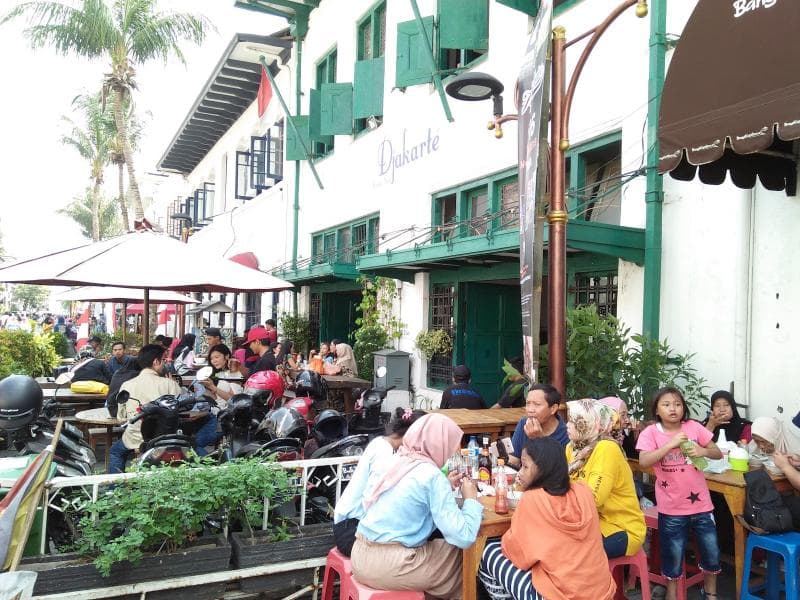
Explore Jakarta History Museum, also known as Fatahillah Museum, in Kota Tua, Jakarta, Indonesia. Discover the city's rich past from prehistoric times to independence through its vast collections and colonial architecture.
Overview
The Jakarta History Museum, often known as the Fatahillah Museum or Batavia Museum, stands as a grand portal to Jakarta's rich and intricate past. Nestled within the historic embrace of Kota Tua Jakarta, Indonesia's Old Town, this venerable institution invites curious travelers to embark on a compelling journey through time. Housed in the former Stadhuis, or City Hall, of colonial Batavia, the museum meticulously chronicles the city's evolution from prehistoric eras through the founding of Jayakarta, the Dutch colonial period, and up to Indonesia's independence in 1945. Its extensive collection, spanning over 23,500 artifacts, offers a profound understanding of the forces that shaped this dynamic metropolis.
History & Cultural Background
The building housing the Jakarta History Museum is a historical artifact in itself. Originally constructed between 1707 and 1710, it served as the Stadhuis of Batavia, the administrative heart of the Dutch East India Company (VOC) and subsequently the Dutch colonial government. This architectural marvel, believed to be modeled after the Royal Palace in Amsterdam or Dam Palace, replaced earlier city halls on the same site. For centuries, it was a focal point of power, where decisions shaping the destiny of the archipelago were made. Following Indonesia's independence, the building transitioned through various roles, including a military office, before being officially inaugurated as the Jakarta History Museum on March 30, 1974. The museum's narrative threads together Jakarta's transformation from the ancient port of Sunda Kelapa to the strategic trading hub of Jayakarta (established by Fatahillah in 1527), and then to the Dutch-controlled Batavia, eventually becoming the capital of an independent Indonesia. Its exhibits showcase the deep influences of European, Chinese, Indian, and indigenous cultures that collectively forged Jakarta's unique identity.
What Makes It Special
What truly sets the Jakarta History Museum apart is its seamless integration of the building's own history with the stories it tells. The structure, with its impressive portico, symmetrical facade, and massive timber beams, is a prime example of 18th-century Dutch colonial architecture. Visitors can explore its 37 ornate rooms, each contributing to a layered understanding of Jakarta's past. The museum's comprehensive collection is a treasure trove, featuring objects from the prehistoric era, antique maps, paintings, ceramics, and a particularly rich assortment of Betawi-style furniture from the 17th to 19th centuries, considered among the world's most extensive colonial furniture collections. Replicas of significant historical items, such as the 5th-century Tugu Inscription and a 16th-century map of the Portuguese Padrao Monument, provide tangible links to ancient kingdoms and early maritime trade. Adding to its unique character are the infamous dungeons and water prisons located in the basement, a stark reminder of the building's darker past as a detention center.
Stories, Fun Facts & Local Details
The museum and its surroundings are steeped in captivating tales. In the basement, the former prison cells offer a chilling glimpse into colonial justice, where Indonesian heroes like Prince Diponegoro were once held. Outside, in Fatahillah Square, stands the Portuguese cannon known as 'Si Jagur,' believed by locals to possess fertility-inducing powers – a curious blend of history and folklore. The square itself, once known as Stadhuisplein (City Hall Square), was also a site for public executions during the colonial era. The name Fatahillah, after whom the museum and square are partly named, honors the commander from the Sultanate of Demak who conquered Sunda Kelapa in 1527, renaming it Jayakarta. Today, Fatahillah Square pulses with life, especially on weekends, hosting a vibrant array of street performers, traditional dances like Zapin and Barongsai, and music performances that showcase the diverse cultural tapestry of Jakarta. These dynamic interactions bring the past to life, turning the historical district into a lively cultural hub.
Visitor Perspective
A visit to the Jakarta History Museum is an immersive experience, offering a chronological journey through Jakarta's multifaceted history. Travelers can wander through dedicated rooms, each focusing on a distinct period, from prehistoric times and ancient kingdoms to the Dutch East India Company's reign and the struggle for independence. The museum is organized to guide visitors through its vast collections, making the city's complex narrative accessible and engaging. To enhance the experience, arriving early is recommended to appreciate the grand facade and avoid crowds, especially around the vibrant Fatahillah Square. Exploring the surrounding Kota Tua area, with its other museums and historical buildings, complements the museum visit, creating a comprehensive understanding of Old Batavia. English or Dutch-speaking guides are often available, providing deeper insights into the exhibits. With its affordable entrance fee and central location, the Jakarta History Museum serves as an essential educational and cultural destination for anyone eager to connect with the soul of Jakarta.
Coordinates: 106.8451, -6.2146
View on Google Maps💬 How Travelers Describe This Place
Based on community votes
Beautiful
934Must See
741Unique
276Interesting
30Photogenic
16
Traveler Stories
Discover memorable experiences shared by travelers who have visited this place.
No traveler stories yet.
Be the first traveler to share what made this place memorable.

Tour
By
Spot
Discover amazing places around the world. Your journey starts here.
Explore
© 2026 TourBySpot. All rights reserved.