Fatahillah Square
Jakarta, Indonesia
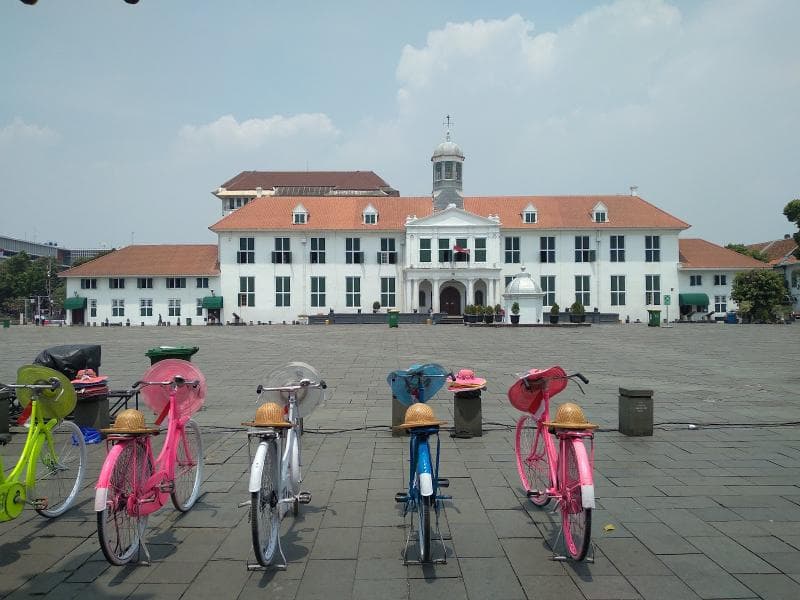
Explore Fatahillah Square in Kota Tua, Jakarta, Indonesia. Discover its rich Dutch colonial history, vibrant culture, iconic museums, and lively atmosphere.
Overview
Fatahillah Square, affectionately known as Taman Fatahillah in Bahasa Indonesia, stands as the vibrant heart of Kota Tua Jakarta, the Indonesian capital's historic Old Town. This sprawling pedestrian square in Jakarta, Indonesia, is a captivating blend of rich history and lively contemporary culture. Surrounded by beautifully preserved Dutch colonial buildings, it serves as a central hub where visitors can immerse themselves in the architectural grandeur of a bygone era. The square is a lively public space, bustling with locals and tourists alike, enjoying the carnival-like atmosphere that often features street performers, local musicians, and vendors. It acts as a perfect starting point for exploring the wider Kota Tua district, inviting curious travelers to step back in time and discover Jakarta's colonial past. There is no entrance fee to the square itself, making it an accessible and appealing destination for all.
History & Cultural Background
The history of Fatahillah Square dates back to the 17th century when it was first established as the Nieuwe Markt, or 'New Marketplace', around 1627. During the Dutch colonial period, this area was known as Batavia City Square or Stadhuisplein, serving as the administrative and legal epicenter of Batavia, the capital of the Dutch East Indies. The iconic city hall, which now houses the Jakarta History Museum, was constructed here in 1710, dominating the southern side of the square. The square underwent a significant transformation and was renamed Fatahillah Square in the mid-20th century. This renaming honored Fatahillah, a legendary 16th-century commander from the Sultanate of Demak, credited with liberating the port city from Portuguese control. A major revitalization effort in the 1970s, under Governor Ali Sadikin, further solidified its status as a cultural heritage site, converting the old city hall into a museum and restoring historical elements. However, the square also holds darker memories, including a tragic incident in 1740 where more than 10,000 Chinese residents were reportedly massacred by the Dutch within a week, a stark reminder of its complex past.
What Makes It Special
Fatahillah Square's unique charm lies in its remarkably preserved Dutch colonial architecture, featuring majestic buildings with their distinctive white facades and tiled roofs that transport visitors to another era. The square is unparalleled as a cultural precinct, being directly encircled by three prominent museums: the Jakarta History Museum, the Wayang Museum, and the Fine Art and Ceramics Museum. This concentration of cultural institutions offers an immersive journey into Indonesia's heritage and art. A notable historical artifact, the restored 18th-century artesian water pump, stands proudly in the square's center, a testament to its long history as a community hub. Another intriguing feature is the famous Portuguese cannon, 'Si Jagur', known for its unusual gesture and attributed symbolic meaning by locals. Beyond its static landmarks, what truly sets Fatahillah Square apart is its 'carnival-like' atmosphere, a dynamic fusion where historical grandeur meets the vibrant energy of local culture, making it an ideal place for leisurely strolls and absorbing the authentic Jakarta spirit.
Stories, Fun Facts & Local Details
Fatahillah Square is steeped in fascinating stories and local color. The square's current name, honoring the commander Fatahillah, serves as a powerful reminder of Indonesia's struggle for independence and its rich pre-colonial history, a narrative often overshadowed by the Dutch era. A captivating fun fact involves the central fountain; once a vital water source for old Batavia, it was lost to time but then rediscovered during archaeological excavations in 1972 and lovingly restored a year later. Visitors often delight in renting colorful vintage bicycles, known as 'onthels', complete with wide-brimmed hats, allowing for a whimsical ride around the cobblestone square, creating a lively and nostalgic scene. The square is a stage for everyday life, frequently animated by talented street performers, live music, and an array of vendors offering local snacks and souvenirs, adding to its bustling charm. Adjacent to the square, Cafe Batavia, a legendary establishment, exudes a 1930s ambiance, offering a charming spot to relax and 'people-watch' while overlooking the vibrant activities of the square.
Visitor Perspective
Visiting Fatahillah Square offers an enriching experience without an entrance fee for the square itself. For optimal enjoyment and photography, travelers are advised to visit during the cooler hours of the early morning or late afternoon. Getting to Fatahillah Square is convenient; it's easily accessible via ride-sharing applications like Gojek or Grab, or by using the TransJakarta rapid bus (Line 1) which stops at the Jakarta Kota terminal, just a short walk away. While an hour or two is sufficient to appreciate the square, those keen to delve deeper into its surrounding museums – the Jakarta History Museum, Wayang Museum, and Fine Art and Ceramics Museum – should allocate at least three to five hours for a comprehensive visit. It's recommended to wear comfortable walking shoes, as exploring the cobblestone square and nearby attractions involves a fair bit of walking. Staying hydrated is also key, especially in Jakarta's tropical climate. Many other historical sites and cultural points of interest, such as Sunda Kelapa harbor and the Kali Besar canal with its impressive 18th-century houses, are within easy reach, making Fatahillah Square a central point for a broader exploration of Kota Tua.
Coordinates: 106.81427, -6.13602
View on Google Maps💬 How Travelers Describe This Place
Based on community votes
Interesting
879Photogenic
741Beautiful
482Unique
396Must See
274
Traveler Stories
Discover memorable experiences shared by travelers who have visited this place.
No traveler stories yet.
Be the first traveler to share what made this place memorable.

Tour
By
Spot
Discover amazing places around the world. Your journey starts here.
Explore
© 2026 TourBySpot. All rights reserved.