Kota Station
Jakarta, Indonesia
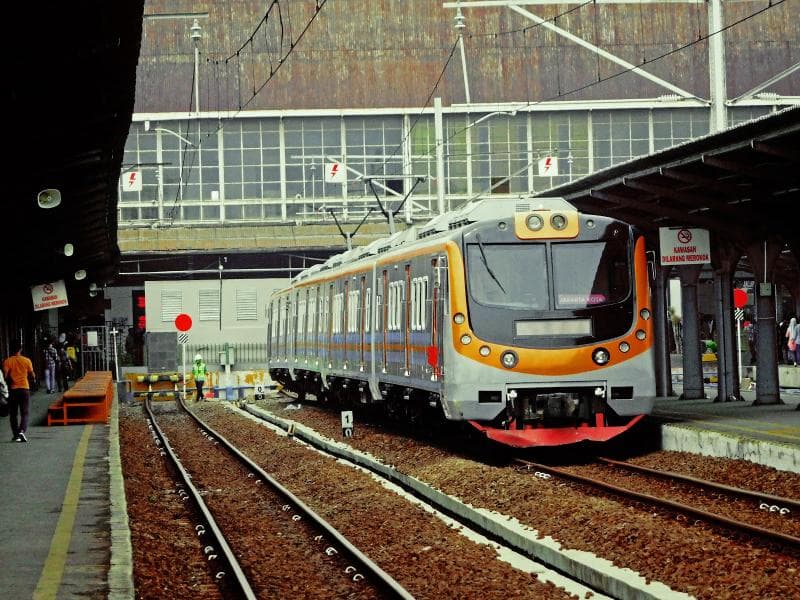
Explore Kota Station in Kota Tua, Jakarta, Indonesia. Discover its stunning Art Deco architecture, rich history, and role as a gateway to Old Batavia.
Overview
Nestled within the vibrant historical quarter of Kota Tua Jakarta, Kota Station, officially known as Stasiun Jakarta Kota, stands as a grand testament to Indonesia's colonial past and its enduring role as a vital transportation hub. Often affectionately referred to as 'Beos Station', this architectural marvel serves not only as a busy terminus for commuter and intercity trains but also as a gateway to exploring the rich heritage of Old Batavia. Its imposing structure, reminiscent of European railway stations, blends seamlessly into the historical landscape of Kota Tua, inviting travelers to step back in time. From its bustling platforms to its majestic Art Deco facade, Kota Station offers a unique blend of historical significance and modern-day functionality, connecting countless lives across Jakarta and beyond.
History & Cultural Background
The story of Kota Station begins long before its current magnificent form. The first railway station at this site was established around 1870, with some records pointing to 1887, built by the Bataviasche Oosterspoorweg Maatschappij. However, the station that stands today is a product of ambitious redevelopment during the Dutch colonial era. Designed by the acclaimed Dutch architect Frans Johan Louwrens Ghijsels, the current building's construction was completed in 1929 and officially opened its doors on October 8, 1929, under the name Batavia Zuid Station. The inauguration was a grand affair, overseen by Governor General A.C.D. de Graeff.
The nickname 'Beos' has a few theories regarding its origin. One popular belief suggests it's an abbreviation of the Bataviasche Oosterspoorweg Maatschapij (BOS), the East Batavia Train Company, which previously owned a station at this location. Another version posits that it derives from the phrase 'Batavia and its Surroundings', reflecting its central role in connecting the city with other areas. Throughout the decades, Kota Station has silently witnessed Indonesia's journey from colonial rule to independence, solidifying its place not just as a building, but as a living monument to the nation's unfolding history.
What Makes It Special
Kota Station is celebrated for its distinctive Art Deco architectural style, a masterpiece by Frans Johan Louwrens Ghijsels, often referred to as the 'Het Indische Bouwen' expression. This architectural philosophy expertly combined Western modern Art Deco structures and techniques with traditional local forms, resulting in a design that is both elegant and suited to the tropical climate. Travelers are often struck by its grand facade, characterized by clean lines, geometric shapes, and impressive arched windows and doorways. Inside, the station boasts vaulted ceilings, tiled floors, and large archways that create a sense of spaciousness and symmetry, evoking a strong European atmosphere. Many compare its dramatic sense of arrival to iconic European stations like Grand Central in New York or St. Pancras in London.
As one of the few surviving examples of Art Deco railway architecture in Indonesia, the station stands out. It features six platforms serving twelve tracks, making it one of the largest and most beautiful stations of its time in the Netherlands East Indies, and still a major hub in Indonesia. Despite the daily ebb and flow of tens of thousands of commuters, the station remarkably retains its vintage charm, offering a tangible connection to the past while remaining fully operational in the present.
Stories, Fun Facts & Local Details
Beyond its impressive structure, Kota Station holds numerous intriguing details. The building was originally white, though it has seen various color schemes throughout its history. Glimpse upwards to admire the three large stained-glass arched windows adorning the main entrances, featuring a brown and white grid pattern that adds to its Art Deco allure. The interior columns are faced with rough brownish ceramic tiles, contrasting with the green-yellowish plaster found on the lower parts of the exterior walls. The main hall's roof is painted in creamy hues, with vaults in a brighter yellow and ceramic tiles nestled between the lunettes, forming crucial structural elements.
An iconic clock tower proudly watches over the station, its melodic chimes once marking the hours for travelers and commuters alike. Recently, efforts have been made to revitalize the station's passive second floor, transforming it into a modern retail space with cafes, a food court, an art gallery, and co-working areas, all while meticulously preserving its original structural elements like historic teak roof trusses and arched windows.
Visitor Perspective
For any curious traveler, Kota Station is much more than just a place to catch a train; it is a living museum, offering a window into Jakarta's layered history. It's a magnet for photographers, history enthusiasts, and anyone eager to immerse themselves in a significant piece of Jakarta's heritage. To truly appreciate its grandeur and capture its essence, consider visiting during off-peak hours, ideally in the morning when the light is softer and the crowds are thinner, perfect for photography.
Upon arrival, take your time to explore the intricate details of its architecture – look up at the soaring ceilings, admire the unique windows, and observe the craftsmanship that often goes unnoticed in a rush. Step outside the station, and you are immediately immersed in the heart of Kota Tua, with Fatahillah Square, the Jakarta History Museum, and the charming Cafe Batavia all within easy walking distance. Kota Station serves as an ideal starting point for a day of urban exploration, offering convenient connections via the KRL Commuter Line and limited long-distance train services, providing a seamless link to the wider city and beyond.
Coordinates: 106.814634, -6.137579
View on Google Maps💬 How Travelers Describe This Place
Based on community votes
Photogenic
791Interesting
457Unique
252Must See
147Beautiful
19
Traveler Stories
Discover memorable experiences shared by travelers who have visited this place.
No traveler stories yet.
Be the first traveler to share what made this place memorable.

Tour
By
Spot
Discover amazing places around the world. Your journey starts here.
Explore
© 2026 TourBySpot. All rights reserved.