Historic Streets
Jakarta, Indonesia
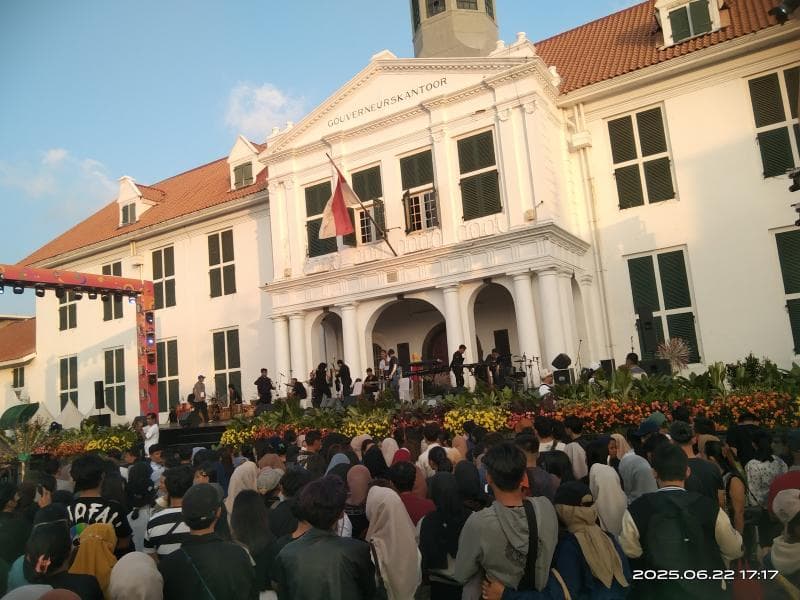
Explore Kota Tua Jakarta's Historic Streets, a time capsule of Dutch colonial architecture and Indonesian heritage in Jakarta, Indonesia. Discover museums, Fatahillah Square, and vibrant local life.
Overview
Stepping onto the historic streets of Kota Tua Jakarta is like turning back the pages of a well-worn history book. This vibrant district, often called Old Batavia or Oud Batavia, is the original downtown area of Jakarta, Indonesia, and a fascinating relic of the city's colonial past. Spanning approximately 1.3 square kilometers, Kota Tua preserves a unique atmosphere that contrasts sharply with modern Jakarta's bustling cityscape. It offers a walkable, immersive experience through cobblestone pathways and alongside architectural marvels that tell tales of centuries gone by.
The area, centered around the iconic Fatahillah Square, is not just a collection of old buildings; it's a living canvas where history, culture, and contemporary urban life intertwine. Visitors can explore museums housed in former colonial structures, enjoy street performances, and savor local delicacies, all while surrounded by the grandeur of 17th to 19th-century Dutch architecture.
History & Cultural Background
The story of Kota Tua's historic streets begins long before the Dutch arrived. In 1526, the port of Sunda Kelapa was conquered by Fatahillah and renamed Jayakarta. However, the true architectural and urban development of what we see today started in 1619 when the Dutch East India Company (VOC) established Batavia, laying out a well-planned, walled city with canals and tree-lined streets, reminiscent of urban planning in the Netherlands.
Batavia quickly grew to become the headquarters of the VOC in the East Indies and prospered from the lucrative spice trade, earning it the moniker 'The Jewel of Asia' in the 16th century. The inner walled city, with its castle and grid-like layout, was strategically designed to control trade and administration. Many of the streets still retain the layout from the 17th century. While initially thriving, the administrative center eventually shifted south to Weltevreden in the 19th century, leading to a period of neglect for Old Batavia.
In 1972, then-Governor Ali Sadikin officially designated Kota Tua as a heritage site, a crucial step toward preserving its architectural roots. This decision paved the way for subsequent restoration efforts, notably in 2006 and a significant revitalization project named Jakarta Old Town Reborn (JOTR) in 2014, which concluded in October 2022, aiming to restore the area's historical charm.
What Makes It Special
What truly sets the historic streets of Kota Tua apart is their ability to transport visitors to a different era. The architectural style, a harmonious blend of Dutch colonial and traditional Indonesian influences, is evident in structures with large windows, high ceilings, and distinct European elements. Unlike much of modern Jakarta, Kota Tua is largely pedestrian-friendly, inviting leisurely exploration.
Fatahillah Square acts as the pulsating heart of this historic district, surrounded by iconic buildings like the Jakarta History Museum (formerly the City Hall of Batavia), the Wayang Museum, and Cafe Batavia. The square itself was once the bustling marketplace and administrative center, and today it continues to be a vibrant public space filled with activity.
The preservation efforts have allowed many of these colonial buildings to stand as tangible links to Indonesia's rich past, offering a unique glimpse into the lives of those who once walked these very paths. The area's blend of preserved history and contemporary creative energy makes it a dynamic and engaging destination.
Stories, Fun Facts & Local Details
Did you know that the central fountain in Fatahillah Square once served as a vital water source for the city's residents, supplied from the Pancoran Glodok spring? The square itself, originally known as Stadhuisplein (City Hall Square), was renamed Taman Fatahillah to honor a 16th-century commander who liberated the port city from Portuguese control.
Many of Kota Tua's streets retain their original 17th-century layout, a testament to the meticulous Dutch urban planning. For instance, the slightly angled Jalan Kembung marks the line of the ancient northern rampart of Kraton Jayakarta. Another intriguing detail is Pinangsia Timur, which formed as Tayolingracht around 1627, marking part of Batavia's first city wall.
The historic streets are often alive with street artists and performers, especially around Fatahillah Square, adding a lively, carnival-like atmosphere. You might encounter 'Stone Men,' artists who mimic statue-like postures, offering unique photo opportunities for a small fee.
Visitor Perspective
Exploring the historic streets of Kota Tua is best done on foot, allowing for a deep appreciation of the intricate architecture and hidden corners. For a more nostalgic experience, visitors can rent colorful 'ontel' bicycles, often found around Fatahillah Square, to leisurely pedal through the area.
Beyond simply admiring the buildings, a visit to Kota Tua offers numerous opportunities for cultural immersion. Museum hopping is a popular activity, with the Jakarta History Museum, Wayang Museum, and Fine Art and Ceramic Museum all located within easy walking distance of the main square. Each museum provides different insights into Indonesian history and culture.
The area also boasts a variety of local food stalls and cafes, providing a chance to taste traditional Indonesian snacks or relax in iconic spots like Cafe Batavia, a magnificent 1830s building offering a colonial-era ambiance. Whether you're a history enthusiast, an architecture admirer, or simply a curious traveler, Kota Tua's historic streets promise a memorable journey back in time.
Coordinates: 106.813222, -6.134788
View on Google Maps💬 How Travelers Describe This Place
Based on community votes
Photogenic
989Must See
791Interesting
613Beautiful
514Unique
207
Traveler Stories
Discover memorable experiences shared by travelers who have visited this place.
No traveler stories yet.
Be the first traveler to share what made this place memorable.

Tour
By
Spot
Discover amazing places around the world. Your journey starts here.
Explore
© 2026 TourBySpot. All rights reserved.