Wayang Museum
Jakarta, Indonesia
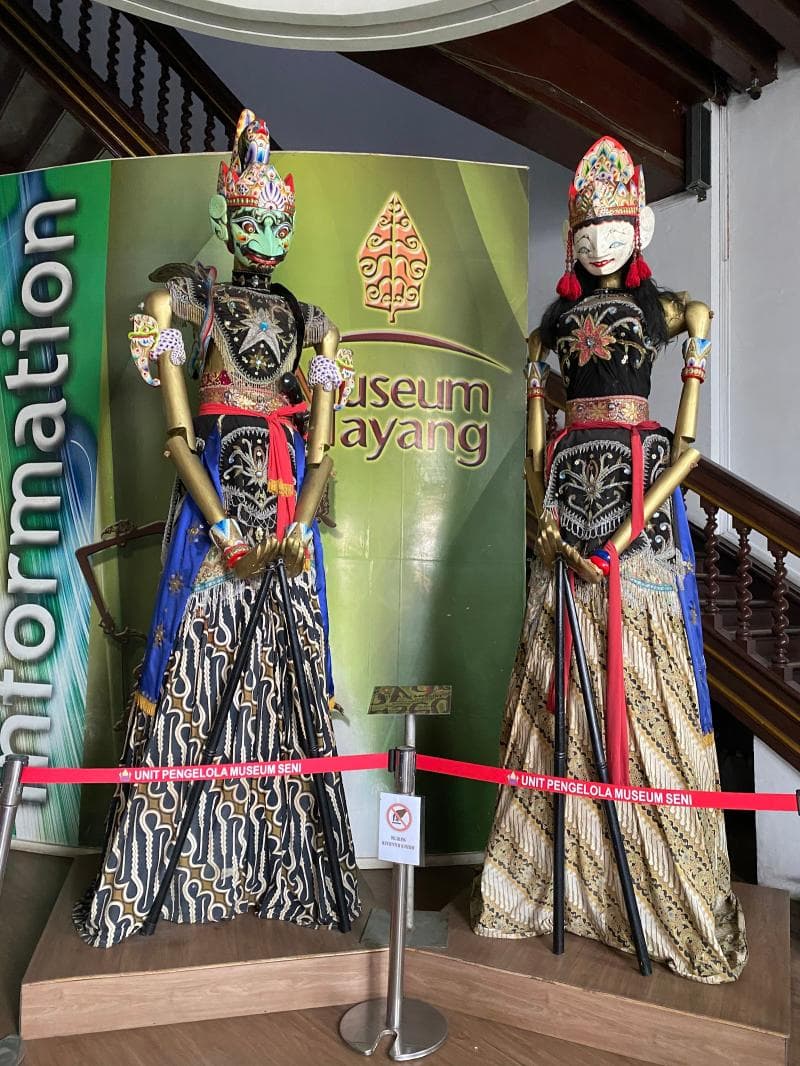
Explore the Wayang Museum in Kota Tua, Jakarta, Indonesia, home to diverse traditional puppets and a rich history of Indonesian storytelling.
Overview
The Wayang Museum, nestled within the charming historical enclave of Kota Tua Jakarta, offers a captivating journey into the heart of Indonesia's rich puppetry traditions. Situated directly across from the iconic Fatahillah Square, this museum is a dedicated institution preserving and exhibiting an extensive collection of Wayang puppets and related artifacts. It serves as a vital cultural touchstone, showcasing the artistic, historical, and philosophical depth of Wayang, which UNESCO has recognized as a Masterpiece of the Oral and Intangible Heritage of Humanity. Visitors can explore the diverse forms of Wayang, from the intricate shadow puppets of Wayang Kulit to the expressive three-dimensional figures of Wayang Golek, understanding their significance not just as entertainment but as powerful mediums for storytelling and moral education.
Housed in a beautiful colonial-era building that itself boasts a fascinating history, the Wayang Museum provides an engaging and educational experience for all who step through its doors. It's an essential stop for anyone seeking to understand the soul of Indonesian performing arts within the vibrant historical setting of Old Town Jakarta.
History & Cultural Background
The building that houses the Wayang Museum possesses a layered history, reflecting centuries of Jakarta's transformation. Originally constructed in 1640 by the Dutch East India Company (VOC) as a Dutch church called 'De Oude Hollandsche Kerk,' it stood as a significant landmark in colonial Batavia. The church underwent repairs and was renamed 'De Nieuwe Hollandsche Kerk' in 1733, but suffered damage and was rebuilt in 1912 in a Neo-Renaissance style after being affected by an earthquake in 1808 or 1739. For a period, it served as a warehouse for the Dutch trading company Geo Wehry & Co.
In 1939, the structure was repurposed and became the 'Oude Bataviasche Museum' (Old Batavia Museum) under the Stichting Oud Batavia foundation, showcasing artifacts from Jakarta's early history. Following Indonesia's independence, the building briefly functioned as the Museum Jakarta from 1957 to 1960. Its pivotal transformation into the Wayang Museum occurred on August 13, 1975, inaugurated by Governor Ali Sadikin, marking a dedicated shift to celebrate and preserve the national treasure of Wayang. This rich history underscores the building's journey from a place of worship to a repository of Indonesian cultural heritage.
What Makes It Special
The Wayang Museum stands out due to its comprehensive and diverse collection, which totals over 6,000 Wayang puppets and related artifacts. It's not merely a collection of puppets but a curated narrative of Indonesia's storytelling tradition. The museum proudly displays various forms of Wayang from across the archipelago, including the iconic Wayang Kulit (flat leather shadow puppets primarily from Java), Wayang Golek (three-dimensional wooden rod puppets popular in West Java), Wayang Klitik (flat wooden puppets), and Wayang Beber (scroll puppets).
Beyond Indonesian puppets, the museum also features an intriguing international collection, showcasing puppetry traditions from countries like India, China, Thailand, Vietnam, and various European nations. This global perspective highlights the universal appeal of puppetry while emphasizing the unique characteristics of Indonesian forms. Furthermore, visitors can see actual equipment used in Wayang performances, such as the 'Lampu Blencong' (oil lamp) and traditional Gamelan musical instruments, providing a fuller context to the art form. The museum's dedication to preserving Wayang, a form of art recognized by UNESCO, makes it a truly special cultural institution.
Stories, Fun Facts & Local Details
Wayang puppetry is deeply interwoven with Indonesian society, acting as a powerful medium for moral education, philosophical contemplation, and even social commentary. Many of the stories enacted through Wayang are derived from ancient Hindu epics like the Ramayana and the Mahabharata, as well as local folklore, offering profound lessons on good versus evil, justice, and sacrifice. The term 'Wayang' itself means 'shadow' or 'image' in Javanese, hinting at the mesmerizing shadow play central to Wayang Kulit performances. The puppeteer, known as the 'Dalang,' is a revered figure who masterfully manipulates the puppets, narrates the stories, and orchestrates the accompanying music, often for hours on end.
A fun fact is that the museum's collection includes not only classical and traditional puppets but also more modern and regionally specific ones, such as the beloved 'Si Unyil' characters from an Indonesian 1980s television show and towering 3-meter-tall figures like Gatotkaca and Pergiwa from the Mahabharata epic. Visitors might also encounter tombstones displayed within the museum, remnants from when the site served as a Dutch church and burial ground, including that of Jan Pieterszoon Coen, a former Governor-General of the Dutch East Indies. These small details add layers of historical intrigue to the experience.
Visitor Perspective
Stepping into the Wayang Museum offers a journey through cultural heritage, enhanced by recent renovations that have brought modern interactive elements and clear bilingual displays (Indonesian and English). The museum aims to make the world of Wayang accessible and engaging for all, from seasoned enthusiasts to first-time visitors. While it can get quite busy, especially on weekends, the layout allows for relatively easy navigation. The museum regularly hosts Wayang performances, providing an opportunity to witness this ancient art form come to life, often accompanied by traditional Gamelan music. These performances are sometimes free, though registration might be required.
Knowledgeable staff, and at times free tour guides, are available to provide deeper insights into the collections and the intricate stories behind the puppets. The museum's gift shop also offers various Wayang-themed souvenirs, allowing visitors to take a piece of Indonesian culture home. With its affordable entry fee and its location amidst other historical sites in Kota Tua, the Wayang Museum is an enriching and well-rounded cultural experience for anyone exploring Jakarta.
Coordinates: 106.81261, -6.13322
View on Google Maps💬 How Travelers Describe This Place
Based on community votes
Unique
958Beautiful
794Must See
571Photogenic
565Interesting
157
Traveler Stories
Discover memorable experiences shared by travelers who have visited this place.
No traveler stories yet.
Be the first traveler to share what made this place memorable.

Tour
By
Spot
Discover amazing places around the world. Your journey starts here.
Explore
© 2026 TourBySpot. All rights reserved.