Hofburg Palace
Vienna, Austria
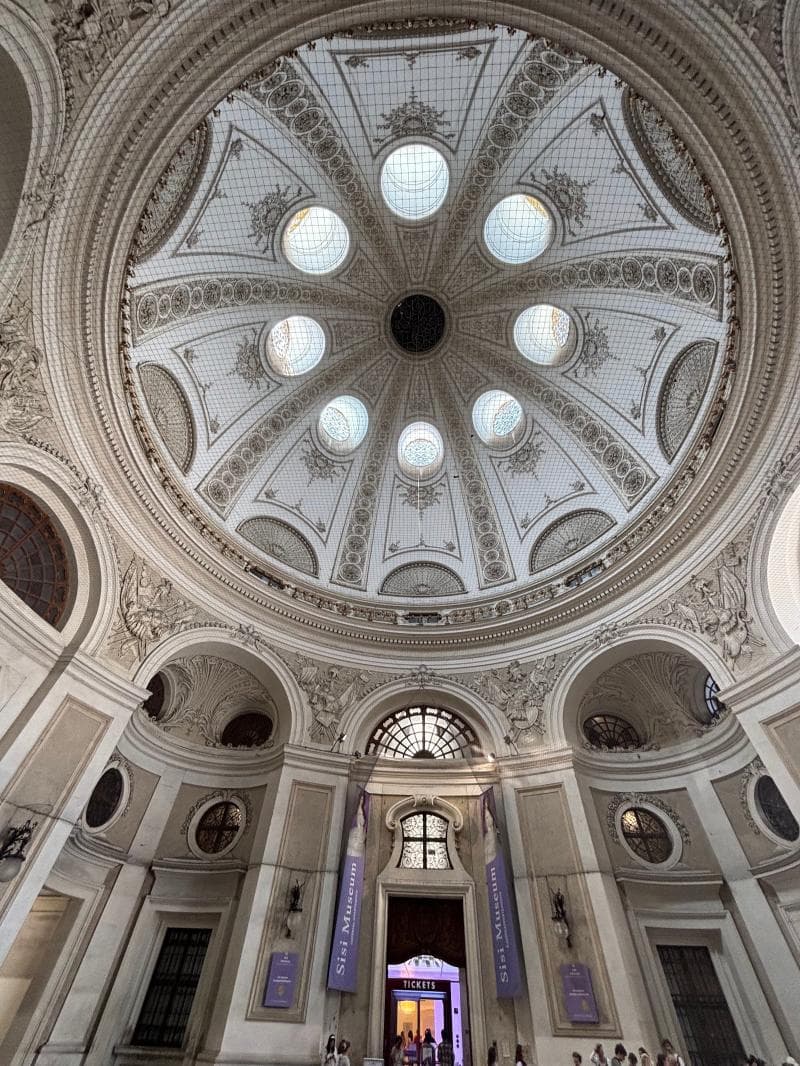
Explore Hofburg Palace in Vienna, Austria – the former imperial residence of the Habsburgs, now home to museums and the President's office.
Overview
The Hofburg Palace, nestled in the heart of Vienna, Austria, stands as a profound testament to centuries of European history and imperial grandeur. This sprawling complex, once the principal imperial residence of the powerful Habsburg dynasty, is far more than just a palace; it is often described as a 'city within a city' due to its immense size and diverse institutions. Dating back to the 13th century, its origins began as a medieval fortress, which was continuously expanded and embellished by successive emperors.
Today, the Hofburg serves a dual role: it is the official residence and workplace of the President of Austria, continuing its legacy as a seat of power. Simultaneously, it is a magnificent cultural hub, home to an array of world-renowned museums, historical apartments, and significant institutions. Visitors can explore the Imperial Apartments, the poignant Sisi Museum, and the dazzling Imperial Silver Collection, alongside the prestigious Spanish Riding School and the Austrian National Library.
History & Cultural Background
The story of the Hofburg began in the 13th century when it was first constructed, initially by Ottokar II of Bohemia, and later solidified as a residence for the Dukes of Austria. From 1438 to 1806, with brief interruptions, it was the esteemed seat of the Habsburg kings and emperors of the Holy Roman Empire, a period that saw a considerable sum of European history written within its walls. Following the dissolution of the Holy Roman Empire, it became the residence of the Emperors of Austria until the monarchy's end in 1918.
The Hofburg's evolution reflects the architectural trends and power shifts across centuries. Each ruler left their indelible mark, resulting in a rich tapestry of Gothic, Renaissance, Baroque, and Historicist styles. Empress Maria Theresa, Empress Elisabeth (Sisi), and Emperor Franz Joseph are among the most notable figures who called the Hofburg their winter home, with Schönbrunn Palace serving as their summer retreat. This complex was the very heart of an empire that shaped Europe for over 600 years, a political and cultural nerve center where significant decisions were made and grand events, such as the Congress of Vienna, unfolded.
What Makes It Special
What truly sets the Hofburg Palace apart is its astounding scope and the sheer variety of treasures it holds. It encompasses 18 wings, 19 courtyards, and approximately 2,600 rooms, spanning an area of about 500,000 square meters. This scale allowed it to function as a self-contained entity, a 'city within a city' where imperial life unfolded.
Among its most celebrated features is the Spanish Riding School, renowned globally for its classical dressage performances by Lipizzaner stallions, a tradition dating back to the 16th century. The Imperial Treasury houses priceless artifacts, including the Imperial Crown of the Holy Roman Empire and the Austrian Imperial Crown, symbols of immense power and heritage. Furthermore, the Austrian National Library, particularly its magnificent State Hall, stands as one of the oldest and most beautiful Baroque libraries in the world, with its opulent interiors and vast collection.
Stories, Fun Facts & Local Details
The name 'Hofburg' itself, translating to 'Castle of the Court,' hints at its original purpose as a governmental and residential hub. A visit here offers a unique glimpse into the personal lives of the Habsburgs, especially through the Sisi Museum. This museum delves into the fascinating, often melancholic, life of Empress Elisabeth, known for her rebellious spirit against court etiquette and her legendary obsession with beauty.
A less commonly known detail is that the Hofburg Chapel, the Burgkapelle, still hosts the Vienna Boys' Choir during High Mass on Sunday mornings, a tradition that continues to this day. The Hofburg's grounds also include the charming Volksgarten and Burggarten, offering serene green spaces for public enjoyment, a contrast to the palatial grandeur. The palace was never built from a single master plan; rather, it expanded organically over centuries, with each emperor adding to its complex structure, resulting in its unique blend of styles.
Visitor Perspective
Exploring the Hofburg Palace is an immersive journey into Austria's imperial past. A typical visit often includes the Imperial Apartments, the Sisi Museum, and the Imperial Silver Collection, offering a comprehensive look into the daily lives and lavish dining culture of the imperial family. While you can freely wander through many of the courtyards and surrounding gardens, access to the numerous museums and historical rooms inside requires a ticket, often available as combo options.
For those interested in a deeper understanding, guided tours are available, providing rich narratives and historical context. The palace is largely wheelchair accessible, with amenities like elevators and ramps available. To experience the Hofburg with fewer crowds, planning a visit during the morning or late afternoon, particularly in the spring or fall, is advisable. The Michaelerplatz entrance, marked by its impressive dome, is a key starting point for many visitors, leading directly into the heart of this extraordinary Viennese landmark.
Coordinates: 16.36528, 48.20639
View on Google Maps💬 How Travelers Describe This Place
Based on community votes
Beautiful
958Interesting
728Must See
719Photogenic
481Unique
382
Traveler Stories
Discover memorable experiences shared by travelers who have visited this place.
No traveler stories yet.
Be the first traveler to share what made this place memorable.
Things to see at Hofburg Palace



Tour
By
Spot
Discover amazing places around the world. Your journey starts here.
Explore
© 2026 TourBySpot. All rights reserved.