Sisi Museum
Vienna, Austria
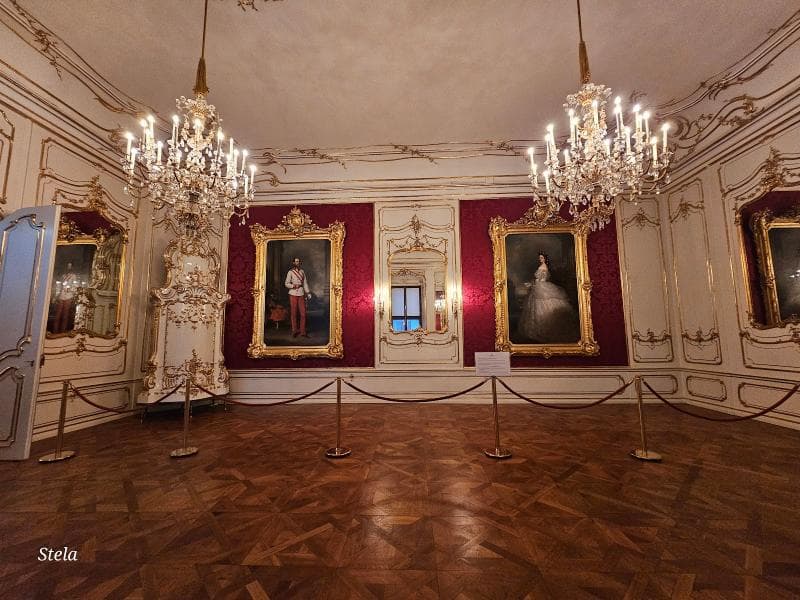
Explore the Sisi Museum in Hofburg Palace, Vienna, Austria, and uncover the real story of Empress Elisabeth beyond the myth. See personal items and learn about her complex life.
Overview
Nestled within the magnificent Hofburg Palace in Vienna, Austria, the Sisi Museum offers a captivating and intimate look into the life of Empress Elisabeth, famously known as Sisi. This unique museum peels back the layers of myth and legend surrounding one of Europe's most enigmatic imperial figures, presenting her not merely as a beautiful empress but as a complex, often melancholic, and deeply unconventional woman. Inaugurated in 2004, the museum is designed to immerse visitors in Sisi's world, from her carefree Bavarian childhood to her tragic assassination in Geneva. It is a journey that aims to reveal the true personality behind the iconic portraits and romanticized tales, exploring her desires for freedom, her obsession with beauty, and her struggle against the rigid etiquette of the Habsburg court.
The Sisi Museum is part of a larger imperial experience at the Hofburg, often visited in conjunction with the Imperial Apartments and the Silver Collection. It provides crucial historical and emotional context, making the opulent palace rooms resonate with the empress's personal story. Through a thoughtfully curated collection of personal belongings and evocative reconstructions, the museum invites curious travelers to connect with Sisi's spirit and understand the forces that shaped her extraordinary life.
History & Cultural Background
Empress Elisabeth, born Elisabeth Amalie Eugenie of Bavaria in 1837, married her cousin, Emperor Franz Joseph I of Austria, in 1854 when she was just 16 years old. This marriage propelled her into the highly formal and demanding world of the Habsburg court, a stark contrast to her free-spirited upbringing. The Hofburg Palace itself served as the principal imperial residence for the Habsburg dynasty for centuries, beginning in the 13th century, and was the winter residence for the imperial family. Sisi quickly found the court's strict protocol suffocating and often clashed with her formidable mother-in-law, Archduchess Sophie, who even took charge of raising Sisi's children.
Sisi's life was marked by both personal tragedies and a constant yearning for escape. The deaths of her children, most notably the suicide of her only son, Crown Prince Rudolf, plunged her into deep depression, from which she never fully recovered. In response to her unhappiness and the constraints of court life, she frequently traveled across Europe, often without protection, and developed a keen interest in poetry, language, and physical fitness. Her deep connection to Hungary, where she often found a more relaxed atmosphere, played a significant role in fostering the Austro-Hungarian Compromise of 1867. Her life tragically ended in 1898 when an Italian anarchist assassinated her in Geneva.
What Makes It Special
The Sisi Museum distinguishes itself by moving beyond the superficial glamor often associated with Empress Elisabeth, striving instead to present a nuanced portrayal of her complex character. Unlike a simple display of royal artifacts, the museum offers a powerful narrative, often beginning with her death and working backward, to highlight the tension between her quest for freedom and the duties of her imperial role.
What makes it truly special are the over 300 personal objects on display, many of which provide intimate insights into her daily routines and obsessions. Visitors can see her exquisite dresses and elaborate jewelry, delicate parasols and fans, and even her traveling medicine chest and beauty preparations, including her milk glass. The museum includes stunning replicas of her gowns and an iconic portrait featuring diamond stars in her hair. These items collectively paint a picture of a woman deeply concerned with her appearance and health, yet profoundly unhappy with her public image and the confines of her position.
Stories, Fun Facts & Local Details
Empress Elisabeth's life is rich with intriguing stories. For example, she was renowned for her beauty and maintained an incredibly strict regimen to preserve it, including rigorous exercise, severe diets, and elaborate beauty treatments. She famously had hair that reached her ankles, requiring hours of daily care. To avoid aging, she refused to be photographed or sit for portraits after her thirties, often using large fans to shield her face from prying eyes, making her one of the first subjects of what could be considered paparazzi attention.
Sisi's deep love for poetry and her mastery of several languages, including Hungarian, showcased her intellectual curiosity and her desire to transcend the superficiality of court life. Her wanderlust was legendary; she spent much of her later life traveling, finding solace away from Vienna. A poignant detail is the display of her original death certificate and the actual file used by her assassin, Luigi Lucheni, grounding her dramatic end in stark reality. The museum also showcases her writing desk and neo-Gothic altar from her living room, offering a glimpse into her personal space.
Visitor Perspective
A visit to the Sisi Museum is an evocative experience, often described as intimate and emotionally engaging. The exhibition's thoughtful design, which starts with the empress's demise and unfolds her life story in reverse, creates a compelling narrative arc that helps visitors understand her journey and choices. Exploring the museum provides context to the grandeur of the adjacent Imperial Apartments, allowing one to imagine Sisi's private moments within the lavish settings she inhabited with Emperor Franz Joseph.
While the museum is not large, its strength lies in its focused and personal approach. Many visitors recommend utilizing the comprehensive audio guide, as it significantly enhances the experience by providing detailed explanations and a deeper understanding of Sisi's complex story. It's an ideal destination for those interested in royal history, the lives of strong women, and the often-hidden struggles behind imperial power. The museum leaves a lasting impression, revealing why Empress Elisabeth continues to fascinate and resonate with audiences today.
Coordinates: 16.36528, 48.20639
View on Google Maps💬 How Travelers Describe This Place
Based on community votes
Must See
910Unique
658Interesting
589Beautiful
374Photogenic
90
Traveler Stories
Discover memorable experiences shared by travelers who have visited this place.
No traveler stories yet.
Be the first traveler to share what made this place memorable.

Tour
By
Spot
Discover amazing places around the world. Your journey starts here.
Explore
© 2026 TourBySpot. All rights reserved.