Hellbrunn Palace
Salzburg, Austria
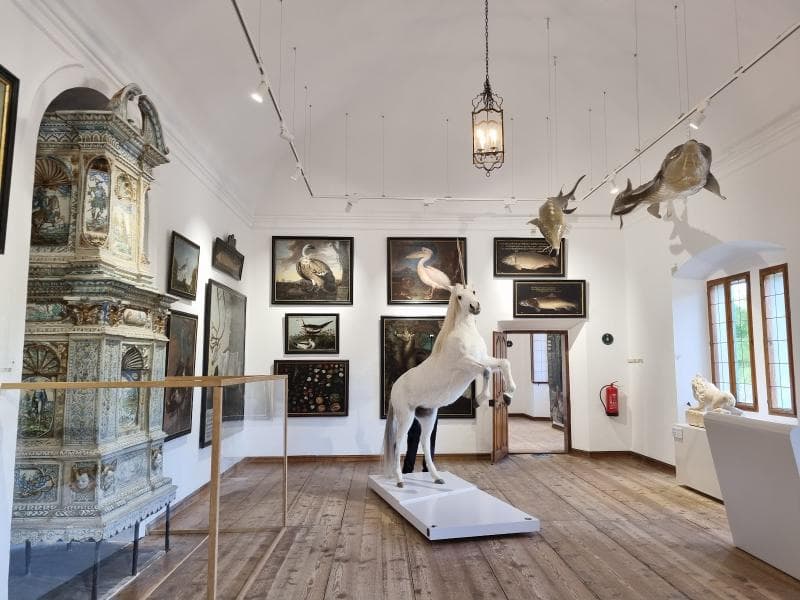
Explore Hellbrunn Palace in Salzburg, Austria, a Baroque pleasure palace known for its whimsical trick fountains, stunning gardens, and rich history.
Overview
Nestled in the picturesque southern district of Salzburg, Austria, Hellbrunn Palace emerges as a captivating testament to Baroque design and whimsical artistry. Conceived as a pleasure palace and summer retreat, it stands apart from traditional residences, lacking bedrooms and focusing entirely on entertainment and recreation. Its defining features are the world-renowned Trick Fountains, or 'Wasserspiele', which have delighted and surprised visitors for over 400 years. The palace, its expansive gardens, and ingenious water features offer a unique journey into the playful spirit of its founder, Prince-Archbishop Markus Sittikus von Hohenems.
Built in the early 17th century, Hellbrunn was designed not for grand political statements, but for enjoyment, making it a distinctive example of Mannerist architecture north of the Alps. The estate encompasses not only the palace but also sprawling landscaped parks, hidden grottoes, water-powered automata, and the fascinating Monatschlössl and Stone Theater, Europe's oldest open-air stage.
History & Cultural Background
The vision for Hellbrunn Palace began with Prince-Archbishop Markus Sittikus von Hohenems, who reigned over Salzburg from 1612 to 1619. A connoisseur of Italian art and culture, Sittikus commissioned the renowned architect Santino Solari, also responsible for Salzburg Cathedral, to create his dream summer residence. Construction commenced in 1613 and was remarkably completed in just three years, by 1615, though some sources extend the period to 1619.
Sittikus's intent was clear: Hellbrunn was to be an oasis of enjoyment and leisure, a 'villa suburbana' where he could host guests and indulge in lavish festivities. The palace's location at the foot of Hellbrunn Mountain, with its abundant natural springs, proved ideal, making water a central element of its design. This natural resource fueled the innovative and elaborate water features that would become Hellbrunn's signature. The design drew heavily on Italian Mannerist garden architecture, evident in its grottoes, statues, and fountains that evoke Greek and Roman mythology.
Today, visitors can explore the palace's history through the permanent exhibition 'GrandDelight: The unexpected world of Markus Sittikus,' which offers insights into the prince-archbishop's life and the palace's construction.
What Makes It Special
Hellbrunn's most celebrated and distinguishing feature is undoubtedly its Trick Fountains. These `Wasserspiele` are a masterwork of early Baroque hydraulic engineering, designed to surprise and amuse guests. Over 400 years later, they remain remarkably well-preserved and fully functional. The guided tour through these hidden wonders involves unexpected water jets spraying from seats, pathways, and various ingenious devices, creating a truly interactive and playful experience.
Beyond the playful sprays, the grounds host intricate water-powered automata, including a Mechanical Theater with some 200 figures depicting various professions, set into motion by water. The extensive park also features mythological grottoes, charming sculptures, and the Monatschlössl (Little Month Palace), a unique building constructed in just one month, now housing the Folklore Museum. Nearby, the Stone Theater, carved directly into the rock quarry, stands as Europe's oldest open-air stage. Furthermore, fans of 'The Sound of Music' will recognize the iconic gazebo from the film nestled within the gardens.
Stories, Fun Facts & Local Details
Prince-Archbishop Markus Sittikus possessed a keen, perhaps mischievous, sense of humor, which he fully indulged with the Trick Fountains. A famous anecdote recounts how he would invite guests to a stone dining table equipped with hidden water jets. While his unsuspecting guests were drenched, Sittikus's own seat remained miraculously dry, much to his amusement. This playful spirit ensured his guests were not only entertained but also kept on their toes.
The Monatschlössl's construction itself is a fun tale: legend has it that Sittikus built it within a month after a visitor commented that a building on the hill would enhance the view from the palace. When the guest returned, the 'Little Month Palace' stood complete. The gardens also feature fountains themed around Greek and Roman mythology, with figures like Neptune and Diana making appearances. Hellbrunn is not just a historical site; it continues to be a vibrant part of Salzburg's cultural life, hosting events, weddings, and a popular Advent market in its courtyard, where visitors can experience the winter charm of the fountains area.
Visitor Perspective
Visiting Hellbrunn Palace is an enchanting experience that offers a delightful escape from the bustle of central Salzburg. Most visitors recommend allocating several hours to fully explore the estate, with the guided tour of the Trick Fountains being a definite highlight. Be prepared for delightful surprises and a refreshing splash or two, especially on a warm day. The palace itself houses an exhibition providing historical context, while the expansive park invites leisurely strolls, picnics, and even features a large adventure playground for children.
The gardens are open daily year-round, but the Trick Fountains and palace exhibition typically operate from early April to early November. Hellbrunn is easily accessible from Salzburg city center by bus (Line 25), car, or even by a scenic boat trip along the Salzach River followed by a short bus transfer. Many find the combination of history, natural beauty, and the sheer fun of the trick fountains to be an unforgettable part of their Salzburg itinerary.
Coordinates: 13.06001, 47.76264
View on Google Maps💬 How Travelers Describe This Place
Based on community votes
Must See
722Interesting
595Unique
358Photogenic
196Beautiful
19
Traveler Stories
Discover memorable experiences shared by travelers who have visited this place.
No traveler stories yet.
Be the first traveler to share what made this place memorable.
Things to see at Hellbrunn Palace



Tour
By
Spot
Discover amazing places around the world. Your journey starts here.
Explore
© 2026 TourBySpot. All rights reserved.