Stone Theater
Salzburg, Austria
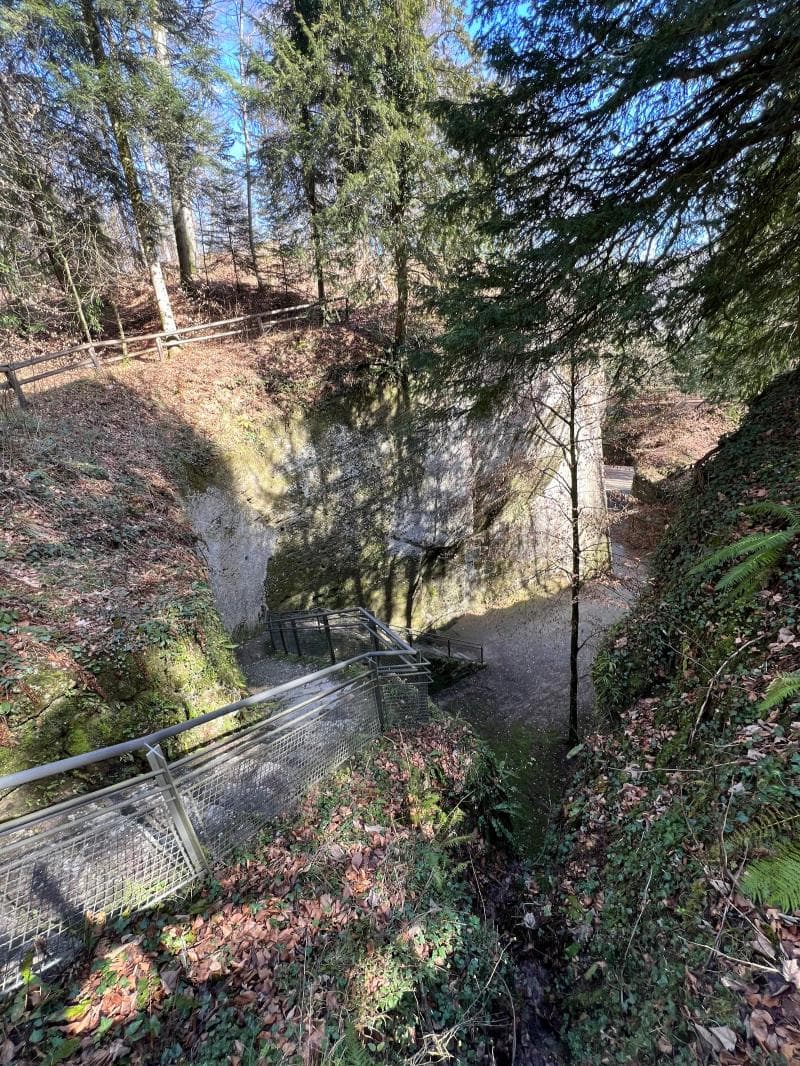
Discover the Stone Theater, an ancient open-air stage carved into rock within Hellbrunn Palace, Salzburg, Austria. Explore its unique history and natural beauty.
Overview
Tucked away within the magnificent grounds of Hellbrunn Palace in Salzburg, Austria, lies the enchanting Stone Theater (Steintheater). This unique open-air stage, carved directly into the natural conglomerate rock of Hellbrunn Hill, stands as a testament to the Baroque era's love for dramatic spectacle and nature's grandeur. It is an often-overlooked gem, offering visitors a glimpse into the past and a tranquil escape amidst lush surroundings. Far from the famous trick fountains, the Stone Theater provides a different kind of marvel, where culture and nature converge in a truly captivating way.
Originally a quarry providing building material for Hellbrunn Palace itself, the Stone Theater was ingeniously transformed into a performance space, reflecting the innovative spirit of its creator. Today, it remains a site of historical significance and natural beauty, inviting curious travelers to explore its ancient stones and imagine the theatrical performances that once graced its stage. Its secluded location, accessible via a forest path, adds to its mystical appeal, making it a rewarding discovery for those who venture a little deeper into the Hellbrunn estate.
History & Cultural Background
The story of the Stone Theater begins with Prince-Archbishop Markus Sittikus von Hohenems, the visionary behind Hellbrunn Palace. Elected in 1612, Sittikus aimed to create a 'villa suburbana'—a lavish summer residence dedicated to pleasure and entertainment, built in the Italian style. Construction of Hellbrunn Palace and its extensive grounds took place between 1612 and 1615, with the Stone Theater completed by December 1616.
What makes its history particularly fascinating is its origin: the theater was formerly a quarry that supplied the distinctive 'Salzburger Konglomerat' stone for the palace's construction. Once its primary purpose was served, Sittikus, a great patron of music and theater, repurposed the site into a natural stage. This transformation highlights the Mannerist and early Baroque appreciation for integrating architecture with nature. Historical accounts suggest that in 1617, the opera 'Orfeo' by Claudio Monteverdi was performed here, making it potentially the first opera performance outside of Italy. While later research indicates that this specific opera was performed in the Residenz, the Stone Theater certainly hosted early theatrical and musical performances, establishing its role as one of Europe's oldest open-air stages.
What Makes It Special
The Stone Theater's most distinctive feature is its construction—it is almost entirely carved into the conglomerate rock of Hellbrunn Hill. This natural amphitheater boasts an oval auditorium capable of seating up to 500 guests, with the stage seamlessly emerging from the rocky landscape. The design incorporates narrow tunnels and corridors that allowed performers to make dramatic entrances and exits from various sides of the stage, adding an element of surprise and theatricality. This ingenious use of the natural environment for performance spaces was a hallmark of the Baroque period, demonstrating a sophisticated understanding of both acoustics and visual aesthetics.
Unlike many formal theaters, the Stone Theater's integration with its sylvan surroundings creates a unique, almost mystical atmosphere. It's a place where the lines between art and nature blur, offering a raw and authentic theatrical experience. The sheer scale and ambition of transforming a quarry into such a venue speak volumes about Markus Sittikus's artistic vision and his desire to create a realm of unparalleled entertainment and wonder. Even without performances, the setting itself is a remarkable example of Baroque landscape design and engineering.
Stories, Fun Facts & Local Details
One of the most compelling aspects of the Stone Theater is its origin story: a simple quarry became a grand stage. This transformation encapsulates Prince-Archbishop Markus Sittikus's playful and artistic spirit, as he envisioned a space where nature itself played a leading role. His profound love for music and theater drove this ambitious project, creating a venue that was revolutionary for its time.
Today, the Stone Theater continues to be a vibrant space, occasionally hosting concerts, dance performances, and theatrical productions, especially during the summer months. This ensures that the tradition of open-air entertainment, established centuries ago, lives on. Locally, it's also known as a popular, albeit non-official, spot for events among Salzburg's youth, showcasing its enduring appeal as a unique gathering place that blends history with contemporary culture. Its proximity to the Monatsschlössl, which now houses the Folklore Museum, further enriches the area with cultural significance, making the journey to the theater a discovery of multiple historical layers.
Visitor Perspective
For visitors exploring Hellbrunn Palace, the Stone Theater offers a tranquil and reflective counterpoint to the more boisterous trick fountains. Reaching it involves a pleasant walk through the palace's extensive park, often along a forest path, making the journey itself part of the experience. This secluded setting allows for a deeper appreciation of the theater's natural beauty and historical ambiance, far from the main tourist paths. While it may not always be actively hosting performances, its silent presence is equally impressive.
Standing within the oval auditorium, one can easily imagine the audiences of the 17th century, captivated by a play or a musical piece under the open sky. The way the stage is integrated into the rock face evokes a sense of timelessness and connection to nature. It's a place that encourages contemplation and offers a unique perspective on the lavish entertainment and artistic endeavors of the Baroque aristocracy. A visit to the Stone Theater is an opportunity to step into a piece of living history, to feel the echoes of past performances, and to appreciate an architectural marvel born from a harmonious blend of human creativity and natural landscape.
Coordinates: 13.060766, 47.762257
View on Google Maps💬 How Travelers Describe This Place
Based on community votes
Photogenic
722Interesting
698Must See
465Beautiful
276Unique
126
Traveler Stories
Discover memorable experiences shared by travelers who have visited this place.
No traveler stories yet.
Be the first traveler to share what made this place memorable.

Tour
By
Spot
Discover amazing places around the world. Your journey starts here.
Explore
© 2026 TourBySpot. All rights reserved.