Hellbrunn Park
Salzburg, Austria
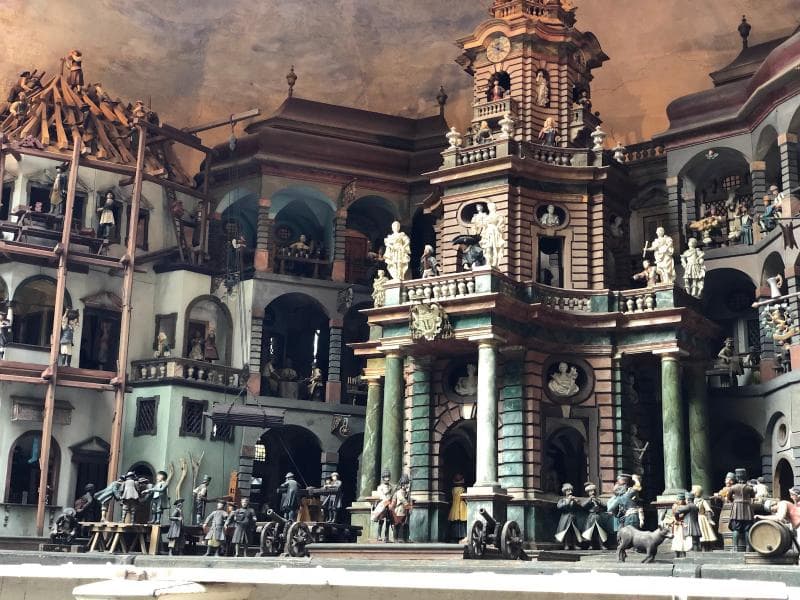
Explore Hellbrunn Park in Salzburg, Austria, a historic 60-hectare pleasure garden known for its unique trick fountains and Baroque charm.
Overview
Hellbrunn Park, nestled within the grounds of Hellbrunn Palace in Salzburg, Austria, offers a delightful escape into a 60-hectare expanse of meticulously landscaped gardens and natural biotope zones. This historical green space is renowned globally for its unique trick fountains and rich cultural heritage. Originally conceived as a 'villa suburbana' and pleasure palace by Prince-Archbishop Markus Sittikus, the park and its accompanying palace were designed for entertainment and leisure, a purpose they continue to fulfill today.
History & Cultural Background
The visionary Prince-Archbishop Markus Sittikus of Hohenems commissioned the construction of Hellbrunn Palace and its surrounding park between 1612 and 1615. His intention was to create an unparalleled oasis of enjoyment and recreation, a stark contrast to the more formal residences of the time. The Italian architect Santino Solari, also responsible for the Salzburg Cathedral, oversaw the project, completing this magnificent Late Renaissance structure north of the Alps in remarkable time.
Water served as the fundamental design element for Hellbrunn, drawing from the abundant natural springs flowing down from Hellbrunn Mountain. This natural resource became the lifeblood of the estate, manifesting in the elaborate trick fountains. The park also features the Stone Theater, a natural rock quarry transformed into Europe's oldest open-air stage, where operas were performed as early as the 17th century. Another fascinating element is the Monatsschlössl, or 'Little Month Palace', named for its astonishingly quick one-month construction. It now houses the Folklore Museum, preserving local cultural treasures.
The 400-year-old Hellbrunner Allee, a picturesque 2.5-kilometer lane flanked by 621 trees, was also commissioned by Markus Sittikus, allowing him a direct and enjoyable carriage ride from the city to his summer residence.
What Makes It Special
The undeniable highlight of Hellbrunn Park is its collection of world-famous Trick Fountains, which have amused and surprised visitors for over 400 years. These fountains are considered among the most well-preserved examples of late Renaissance and Mannerist hydraulic art, designed to playfully douse unsuspecting guests with hidden jets of water.
Adding to the aquatic marvels is the Mechanical Theater, a unique attraction within the trick fountains. Powered entirely by water, it features more than 100 moving figures depicting scenes of a small Baroque city. Beyond these ingenious water features, the park offers diverse landscapes, blending cultivated garden areas with natural biotopes, creating a harmonious environment.
Film enthusiasts will recognize the 'Sound of Music' gazebo, relocated to Hellbrunn Park and serving as a memorable filming location from the iconic movie. The park also embraces contemporary art, hosting the Hellbrunn SculpturePark with temporary installations by national and international artists, offering new artistic dimensions within the historical setting.
Stories, Fun Facts & Local Details
Prince-Archbishop Markus Sittikus was known for his playful and mischievous nature. He delighted in surprising his guests by secretly activating the trick fountains, ensuring a memorable, albeit sometimes wet, experience. This playful spirit continues to define the Hellbrunn experience.
The very name 'Hellbrunn' is believed to derive from 'healing fountain,' a nod to the area's abundant natural springs and the refreshing quality of its waters. The Monatsschlössl earned its name, meaning 'Little Month Palace,' because legend has it that it was constructed in a mere month. The historic Hellbrunner Allee, now closed to vehicular traffic, has become a cherished pathway for locals and visitors alike, perfect for walking, jogging, and cycling amidst its ancient trees.
In addition to its summer charm, Hellbrunn Park transforms in winter, hosting a festive Advent market in the palace courtyard, creating a magical atmosphere with illuminated Christmas trees and traditional stalls. For the people of Salzburg, the park serves as a vital recreational area, offering ample space for sports, picnics, and a large adventure playground for children.
Visitor Perspective
A visit to Hellbrunn Park offers a multifaceted experience, easily occupying half a day of exploration. The guided tour of the renowned trick fountains typically lasts about an hour, promising unexpected splashes and historical insights. While the palace and trick fountains operate seasonally from spring to autumn, the expansive gardens are free to enter and open year-round, providing a serene escape in any season.
The park caters to various interests with opportunities for leisurely walks, invigorating jogs, and even yoga sessions amidst its natural beauty. Families will particularly appreciate the large adventure playground, offering hours of entertainment for younger visitors. Accessibility is a key consideration; the park and the trick fountains are wheelchair accessible, though the palace itself regrettably is not. Dogs are welcome in the park when on a leash, with specific areas designated for off-leash play. A muzzle is required for dogs accompanying visitors through the trick fountains area.
Coordinates: 13.0643686, 47.7621905
View on Google Maps💬 How Travelers Describe This Place
Based on community votes
Unique
948Interesting
913Must See
595Photogenic
337Beautiful
196
Traveler Stories
Discover memorable experiences shared by travelers who have visited this place.
No traveler stories yet.
Be the first traveler to share what made this place memorable.

Tour
By
Spot
Discover amazing places around the world. Your journey starts here.
Explore
© 2026 TourBySpot. All rights reserved.