Monatschlössl
Salzburg, Austria
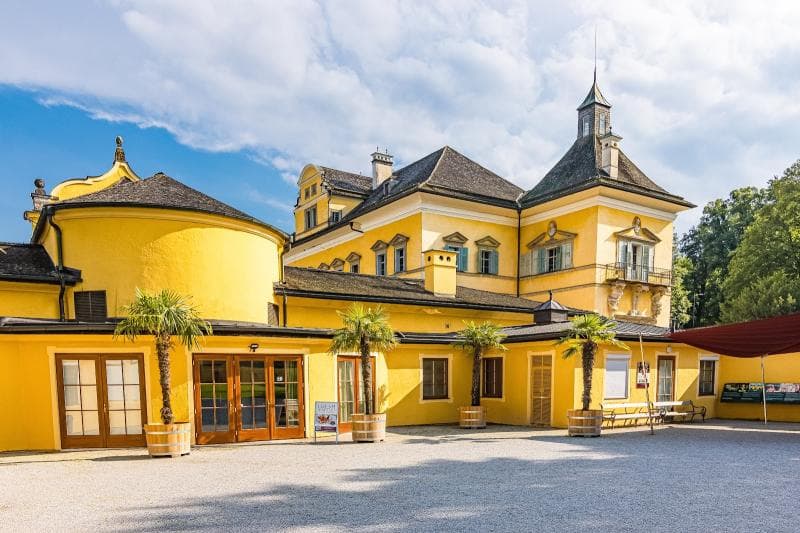
Explore Monatsschlössl, a Baroque chateau housing Salzburg's Volkskundemuseum, within Hellbrunn Palace, Austria. Discover folk art, costumes, and historical traditions.
Overview
Nestled within the enchanting Hellbrunn Palace complex in Salzburg, Austria, lies the Monatschlössl, a charming Baroque chateau that promises a captivating journey into regional culture. More than just a picturesque building, the Monatschlössl is home to the Volkskundemuseum, or Museum of Folk Art, a branch of the Salzburg Museum. Perched on Hellbrunn Hill, it offers not only a rich cultural experience but also spectacular views of the surrounding landscape, including the majestic Hohensalzburg Fortress and the Hellbrunn Palace park itself.
This smaller, yet significant, structure stands as a testament to Salzburg's vibrant heritage, inviting visitors to explore the traditions, customs, and daily life of its people throughout history. Since 1924, it has been dedicated to preserving and showcasing the unique identity of the region through its extensive collections.
History & Cultural Background
The Monatschlössl was originally conceived as a hunting lodge by Prince-Archbishop Markus Sittikus von Hohenems, who reigned from 1612 to 1619. It was constructed in 1615, reputedly within a remarkably short period—just one month—giving rise to its name, which translates to 'Month Castle'. This quick construction speaks to the ambition and resources of the Prince-Archbishop, who also oversaw the creation of the larger Hellbrunn Palace as a summer residence and place of entertainment.
Unlike the main palace, which was designed for lavish festivities and its famous trick fountains, the Monatschlössl served a more intimate purpose, likely as a retreat within the extensive grounds. Its transformation into a public museum in 1924 marked a new chapter, dedicating the historic building to the preservation and exhibition of Salzburg's folk culture. This move ensured that the rich traditions and artistic expressions of the region would be accessible to future generations.
What Makes It Special
The true essence of the Monatschlössl lies in its role as the Volkskundemuseum. Here, visitors are immersed in the tangible heritage of Salzburg's folk life. The museum's collections span three floors, showcasing an impressive array of objects that illuminate the past. You will find exquisitely crafted traditional costumes, known as Trachten, representing different regions of the Salzburg province.
Beyond attire, the exhibits feature rustic, elaborately decorated furniture, offering a glimpse into the interior design trends from the Baroque era to more recent times. Religious artifacts, such as Baroque nativity scenes and other ceremonial items, highlight the deep spiritual traditions of the area. The museum also delves into folk medicine and showcases various traditional crafts, presenting a comprehensive cross-section of cultural life.
Stories, Fun Facts & Local Details
The most enduring story associated with the Monatschlössl is undoubtedly its name. The legend that it was built in just one month highlights the architectural prowess and rapid construction methods of the 17th century, or perhaps simply the fervent will of its patron, Markus Sittikus. While the exact truth of this speedy construction may be debated, the name itself, 'Month Castle', adds a touch of romantic mystique to the building.
A particularly fascinating aspect of the Volkskundemuseum's collection is the display of historical masks, including the imposing Perchten and Schönperchten figures, and the unique Samson figures. These are not merely decorative items but play a vital role in Salzburg's traditional customs and pagan-origin rituals, particularly during the winter months. The Perchten masks, often remarkably large and intricately crafted, are used in processions to ward off evil spirits, while the Samson figures are part of a peculiar custom in the Lungau region, involving giant figures carried in parades. The sheer size and weight of these headdresses often surprise visitors.
Furthermore, the Monatschlössl's elevated position on Hellbrunn Hill provides a fantastic panoramic vista. From this vantage point, one can admire the sprawling Hellbrunn Palace complex, the carefully manicured gardens, and the distant, iconic silhouette of the Hohensalzburg Fortress.
Visitor Perspective
Visiting the Monatschlössl offers a tranquil yet enlightening experience. The path to the chateau typically involves a pleasant walk through the forested areas of Hellbrunn Palace Park, providing a sense of anticipation as you approach this cultural gem. While the walk up Hellbrunn Hill is rewarding for its views, it's worth noting that access might be challenging for individuals with walking difficulties due to the uneven terrain and stairs.
Once inside, the museum's thoughtful arrangement allows for a deep dive into the historical nuances of Salzburg's folk culture. From the colorful Trachten to the compelling Perchten masks and the insights into traditional household items, the exhibits tell a story of regional identity and resilience. It's a place where you can spend about an hour, exploring the various rooms and their unique displays, gaining a profound appreciation for the customs that have shaped this beautiful Austrian province. The museum also features regularly changing special exhibitions, ensuring there's always something new to discover, reflecting contemporary themes alongside historical collections.
Coordinates: 13.06389, 47.75981
View on Google Maps💬 How Travelers Describe This Place
Based on community votes
Beautiful
722Must See
698Photogenic
595Interesting
358Unique
19
Traveler Stories
Discover memorable experiences shared by travelers who have visited this place.
No traveler stories yet.
Be the first traveler to share what made this place memorable.

Tour
By
Spot
Discover amazing places around the world. Your journey starts here.
Explore
© 2026 TourBySpot. All rights reserved.