Graz Cathedral
Graz, Austria
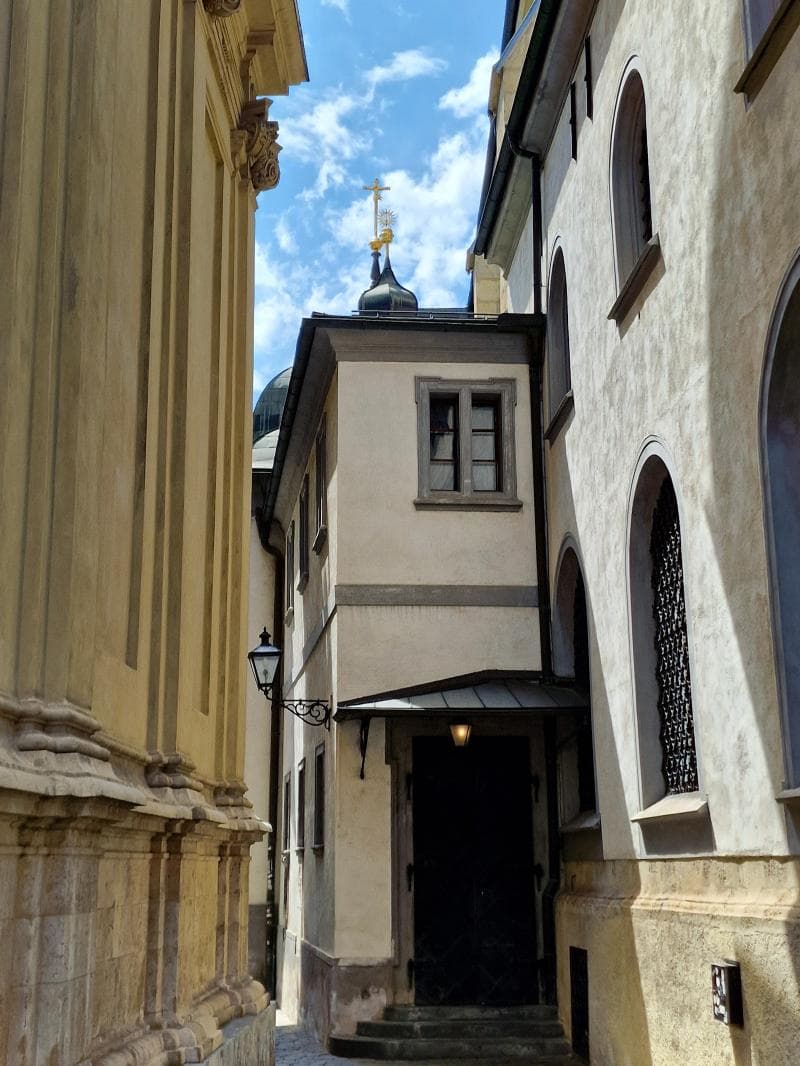
Explore Graz Cathedral in Graz, Austria, a stunning blend of Gothic and Baroque architecture. Discover its rich history, unique artworks, and cultural significance.
Overview
Perched majestically in Graz, Austria, Graz Cathedral, also known as St. Giles' Cathedral (Dom St. Ägidius), stands as a profound testament to centuries of history, faith, and artistic evolution. This Roman Catholic edifice is not merely a place of worship but a vibrant cultural and historical landmark, dedicated to Saint Giles, the patron saint of Graz. Its imposing presence, characterized by a unique blend of late Gothic and Baroque architecture, offers a captivating journey through time for any curious traveler. As the seat of the Diocese of Graz-Seckau, the cathedral holds significant religious importance for the region of Styria, and it is an integral part of Graz’s UNESCO World Heritage-listed historic center.
History & Cultural Background
The origins of Graz Cathedral stretch back to the 12th century, with the first church on this site, dedicated to Saint Giles, being mentioned in records as early as 1174. However, the current Gothic structure, primarily built between 1438 and 1464, was commissioned by Emperor Frederick III, who intended it to serve as his court church. This period marked a significant era for Graz as an imperial city. The cathedral's journey through history saw it transform from a court church to a Jesuit collegiate and university church from 1577 to 1773, a period during which it received notable Baroque modifications. In 1786, it was elevated to its current status as the cathedral for the Diocese of Graz-Seckau, solidifying its spiritual and administrative role in the region.
What Makes It Special
Graz Cathedral is particularly special due to its harmonious blend of architectural styles, primarily Gothic and Baroque, which tell a layered story of its past. While its exterior might appear somewhat restrained today, remnants of its original painted façades hint at its former splendor. The most striking external feature is the 'Gottesplagenbild' or 'Plague Picture,' a rare and well-preserved 1485 fresco on the south exterior wall. This powerful image depicts the three plagues that afflicted Graz in 1480 – pestilence, war, and locusts – interpreted as divine punishment. Inside, the grandeur unfolds with a high-ceilinged nave divided by massive pillars, leading to a long, narrow choir. The interior is adorned with significant artworks, including medieval frescoes of Saint Christopher and intricate Baroque altars, pulpits, and choir stalls that reflect the Jesuit influence. The magnificent high altar, created between 1730-33, features a painting of Saint Giles, flanked by statues of the Four Evangelists.
Stories, Fun Facts & Local Details
The 'Gottesplagenbild' fresco is not only an artistic marvel but also a unique historical document, offering one of the oldest known depictions of the city of Graz within its dramatic narrative. It vividly portrays God's wrath and a plea for mercy, capturing a pivotal moment in the city's history. Another intriguing detail linked to its imperial patron, Frederick III, is the enigmatic 'AEIOU' inscription. This imperial motto, believed to stand for 'Austria Est Imperare Orbi Universo' (Austria is destined to rule the world), can be found in various locations, including above the main entrance, underscoring the cathedral's imperial connections. Furthermore, the cathedral houses two remarkable reliquaries that were ingeniously repurposed 15th-century bridal chests, originally belonging to the noblewoman Paola Gonzaga. These intricately carved chests were acquired by the Jesuits and transformed to hold the relics of Christian martyrs, offering a fascinating example of adaptation and sacred artistry. Graz Cathedral, along with the adjacent Mausoleum, the Burg, and the Priests' Seminary, forms what is known as the 'Graz City Crown,' an architectural ensemble that symbolizes the historic center of political and religious authority in the city and contributes to its UNESCO World Heritage status.
Visitor Perspective
Visiting Graz Cathedral is an immersive experience, offering a tangible connection to Graz's rich heritage. Upon entering, travelers are often struck by the spaciousness and the impressive height of its vaulted ceilings. The interplay of Gothic structure and Baroque adornment creates an atmosphere of both solemnity and artistic richness. Take time to admire the surviving frescoes, especially the detailed Baroque organ loft which houses a recently renovated organ. The cathedral is an active place of worship, hosting regular services, and also serves as a vibrant cultural venue for concerts and organ recitals, especially following recent renovations that concluded in 2023. While the exterior is generally quiet, the interior invites contemplation and appreciation of its diverse artworks and architectural details. For those keen on delving deeper, guided tours are often available, providing insights into its layered history and cultural significance. The cathedral's central location in Graz's historic old town makes it easily accessible for anyone exploring the city.
Coordinates: 15.4422, 47.072
View on Google Maps💬 How Travelers Describe This Place
Based on community votes
Must See
623Unique
545Beautiful
343Photogenic
211Interesting
20
Traveler Stories
Discover memorable experiences shared by travelers who have visited this place.
No traveler stories yet.
Be the first traveler to share what made this place memorable.
Things to see at Graz Cathedral



Tour
By
Spot
Discover amazing places around the world. Your journey starts here.
Explore
© 2026 TourBySpot. All rights reserved.