Side Chapels
Graz, Austria
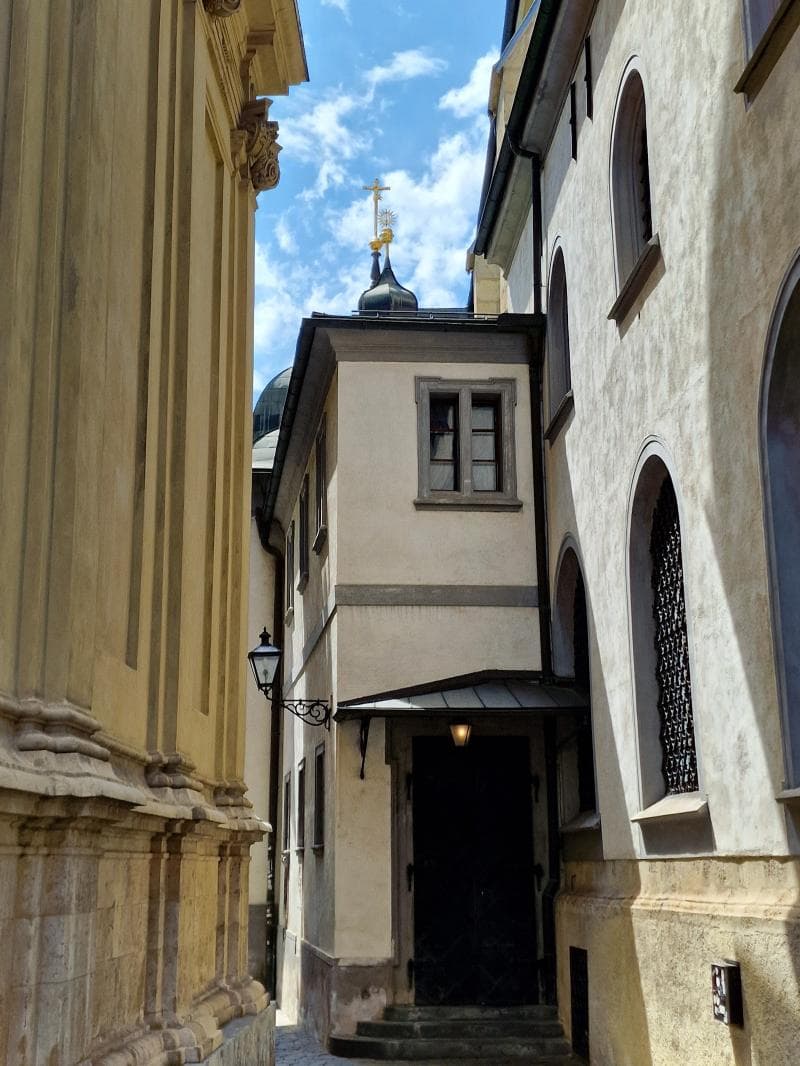
Explore the historic Side Chapels of Graz Cathedral in Graz, Austria, revealing centuries of Baroque artistry, imperial legacies, and devotional narratives.
Overview
Stepping into Graz Cathedral, or Grazer Dom, one is immediately enveloped in centuries of history, where the austere Gothic exterior gives way to a richly adorned interior, profoundly shaped by its numerous side chapels. These chapels, primarily Baroque additions from the 17th century, are not mere architectural embellishments; they are vibrant narratives, each dedicated to saints and patrons, reflecting periods of profound faith, imperial influence, and historical events that molded the city of Graz. They serve as intimate spaces for devotion and offer a layered understanding of the cathedral's evolution from a court church to a significant diocesan seat in Austria.
These side chapels transform the cathedral's original late Gothic design into a complex tapestry of artistic and spiritual expression. As you move through the cathedral's nave, these smaller, often more intensely decorated spaces invite contemplation, showcasing a blend of Gothic structure with magnificent Baroque artistry.
History & Cultural Background
The history of Graz Cathedral's side chapels is intricately linked to the shifting fortunes and patrons of the larger edifice. While the main structure was largely completed in Gothic style between 1438 and 1464 under Emperor Frederick III, a significant transformation occurred in the 17th century.
After being handed over to the Jesuits in 1577, the cathedral, then a court church, underwent substantial Baroque alterations. Between 1617 and 1667, four new side chapels were constructed under Habsburg patronage, enriching the church's interior. These include the Pest Chapel (dedicated to Saints Rochus and Sebastian), the Mater Dolorosa Chapel, the Saint Francis Xavier Chapel, and the Cross Chapel. These additions were not merely decorative but often had profound cultural and historical significance. For instance, the Pest Chapel likely reflects a period when plagues, like those that afflicted Graz in 1480, were a real and terrifying threat, leading to fervent prayers for intercession.
Beyond these, earlier chapels such as the Barbarakapelle, dating back to 1438, and the Friedrichskapelle, named after Emperor Frederick III, speak to the cathedral's even older roots as an imperial court church. The Friedrichskapelle, in particular, carries the legacy of Emperor Frederick III, whose enigmatic motto 'AEIOU' is found throughout the cathedral.
What Makes It Special
Each side chapel within Graz Cathedral possesses unique elements that make it special. The Barbarakapelle, for example, is notable for its keystone depicting Saint Veronica with the Veil of Christ and an angel holding the Austrian Bindenschild, a powerful symbol merging ecclesiastical and secular authority.
The Friedrichskapelle stands out due to its association with Emperor Frederick III. Within this chapel, observant visitors can find multiple instances of Frederick's mysterious motto 'AEIOU,' an intriguing historical puzzle that adds a layer of intellectual engagement to the spiritual visit. The specific meanings ascribed to this acronym vary, inviting personal interpretation of this imperial signature.
The Baroque chapels, added later, are distinguished by their lavish ornamentation, contrasting with the Gothic foundations. They house significant artworks, including altars, paintings, and sculptures that showcase the artistic trends of the 17th century. The quality of craftsmanship and the devotional art found within these chapels offer a detailed glimpse into the religious fervor and artistic skill of the Baroque era in Austria.
Stories, Fun Facts & Local Details
One of the most captivating local details associated with the cathedral, and especially the Friedrichskapelle, is the presence of Emperor Frederick III's personal motto, 'AEIOU.' This enigmatic acronym, inscribed in various places, has puzzled historians and visitors for centuries. While its exact meaning remains debated, popular interpretations range from 'Austriae Est Imperare Orbi Universo' ('It is Austria's destiny to rule the world') to more personal or religious declarations. This imperial cipher acts as a historical Easter egg, inviting visitors to embark on their own mini-quest to spot its occurrences and ponder its significance.
Another fascinating aspect is the transformation of objects within the chapels. For instance, two historic ivory reliquaries, originally bridal chests belonging to Paola Gonzaga, were repurposed by the Jesuits. These exquisite pieces, adorned with fine ivory inlays, now serve as sacred containers for relics, illustrating a profound shift from worldly luxury to spiritual reverence.
The dedications of chapels, like the Pest Chapel, also tell stories of local hardship and faith. These chapels were often built as votive offerings, expressing gratitude for deliverance from calamities or seeking divine protection. They are tangible reminders of the human experience in a city that endured pestilence, war, and locust invasions in times past.
Visitor Perspective
For the curious traveler, exploring the side chapels of Graz Cathedral offers a profound journey through time and artistic periods. As you wander from one chapel to another, you'll feel the transition from the soaring, contemplative spaces of Gothic architecture to the more intimate, ornate settings of the Baroque. It's a chance to witness how different eras left their indelible marks on a sacred space, creating a dynamic dialogue between styles and spiritual expressions.
Pay close attention to the intricate details: the delicate carvings, the vibrant colors of altarpieces, and the subtle interplay of light and shadow that enhances the devotional atmosphere. The chapels offer a quieter, more personal experience than the main nave, allowing for moments of reflection and appreciation of the artistry and history contained within their walls. Look for the 'AEIOU' inscriptions, imagine the stories behind the repurposed reliquaries, and consider the hopes and fears that led to the construction of chapels dedicated to protection from plagues. It's an opportunity not just to see, but to feel the layered history of Graz and its deep spiritual roots.
Coordinates: 15.44236, 47.07197
View on Google Maps💬 How Travelers Describe This Place
Based on community votes
Must See
551Interesting
421Photogenic
366Beautiful
298Unique
212
Traveler Stories
Discover memorable experiences shared by travelers who have visited this place.
No traveler stories yet.
Be the first traveler to share what made this place memorable.

Tour
By
Spot
Discover amazing places around the world. Your journey starts here.
Explore
© 2026 TourBySpot. All rights reserved.