Organ Loft
Graz, Austria
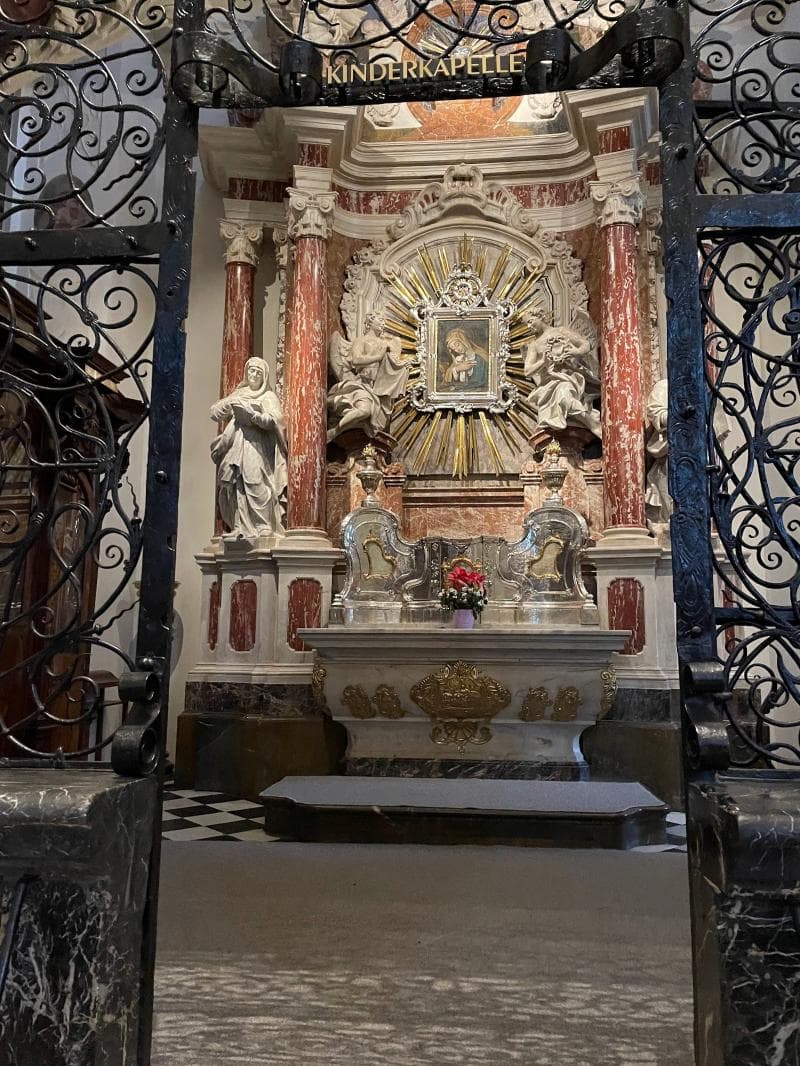
Discover the majestic Organ Loft within Graz Cathedral in Graz, Austria. Explore its history, unique features, and the powerful sound of its recently renovated organ.
Overview
Nestled within the historic Graz Cathedral, a blend of Gothic grandeur and Baroque elegance in Graz, Austria, lies the magnificent Organ Loft. This elevated musical command center houses the cathedral's grand organ, an instrument that serves as both a spiritual voice and a cultural cornerstone for the city. From its perch, the organ fills the vast sacred space of St. Giles' Cathedral with profound melodies, ranging from solemn liturgical pieces to vibrant concert repertoire. It is not merely an instrument but a central feature, embodying centuries of musical tradition and architectural evolution within this significant religious landmark.
History & Cultural Background
The Graz Cathedral itself boasts a rich history, beginning its life as a Gothic court church for Emperor Frederick III between 1438 and 1462. Over centuries, particularly during the Jesuit period from 1577 to 1773, it underwent significant Baroque transformations. It was during these Baroque alterations in the 17th century that the gallery, which now houses the organ, was added, creating the stunning Baroque organ loft that spans the rear of the nave.
The current cathedral organ, a creation of the renowned Orgelbau Klais, was originally built in 1978. This impressive instrument initially featured 5,354 pipes and 73 stops, making it a pivotal piece of church music instrumentation in Graz.
In a significant recent development, the organ underwent a comprehensive rebuilding and renovation project between 2017 and 2023. This meticulous restoration ensured its continued excellence and capacity to inspire. It was reconsecrated in November 2023, symbolizing a renewal of its musical mission within the cathedral. During this rebuilding, the number of pipes was adjusted from over 5,300 to approximately 4,200, representing a thoughtful re-engineering to optimize its sound within the cathedral's acoustics.
What Makes It Special
What truly distinguishes the Organ Loft of Graz Cathedral is the powerful instrument it cradles. Before its recent overhaul, the organ's 5,354 pipes and 73 stops combined to create an astonishing range of sounds, capable of expressing everything from delicate whispers to thunderous pronouncements.
Post-renovation, with around 4,200 pipes, it continues to be celebrated as one of the most important church musical instruments in Graz.
Its position on the Baroque west gallery is not merely practical but architecturally significant, allowing its sound to resonate throughout the entire Gothic hall church, harmonizing with the cathedral's diverse architectural elements. This synergy between the instrument's engineering, the gallery's design, and the cathedral's acoustics creates a unique auditory experience that few other spaces can rival. The craftsmanship involved in both the original 1978 build by Klais and the recent 2023 renovation speaks volumes about a dedication to musical heritage and precision.
Stories, Fun Facts & Local Details
The organ at Graz Cathedral is far more than an accompaniment to church services; it is a living entity woven into the cultural fabric of Graz. It regularly hosts organ concerts, drawing both local enthusiasts and international visitors who come to witness its sonic majesty.
These concerts are not just performances; they are opportunities to experience the cathedral's acoustic grandeur in full effect, with the organ's voices bringing centuries of sacred music to life. The 2023 reconsecration of the rebuilt organ was a moment of great anticipation and celebration for the Diocese of Graz–Seckau, signaling a new chapter for music in the cathedral.
Imagine the dedication of the organ builders and restorers, meticulously working on thousands of pipes, each one contributing to the instrument's complex voice. This commitment ensures that the spiritual and cultural heart of the cathedral continues to beat strongly, inspiring awe and contemplation for generations to come.
Visitor Perspective
For any visitor to Graz Cathedral, the Organ Loft and the music emanating from it offer an unforgettable experience. Standing within the nave and looking up at the impressive Baroque gallery, one can truly appreciate the visual prominence of the organ. When the instrument is played, the sound is all-encompassing, washing over you from above, filling every corner of the vast space. It’s an auditory journey that transcends mere listening, becoming a visceral connection to the cathedral's spiritual essence and rich history.
Whether you attend a regular service or are fortunate enough to catch an organ concert, the experience underscores the cathedral's role as a vibrant center of faith and culture. The powerful, nuanced sounds help to bridge the gap between the earthly and the divine, making the Organ Loft a focal point for reflection and inspiration for all who visit this historic landmark in Graz, Austria.
Coordinates: 15.4422, 47.072
View on Google Maps💬 How Travelers Describe This Place
Based on community votes
Beautiful
623Interesting
545Unique
343Must See
302Photogenic
20
Traveler Stories
Discover memorable experiences shared by travelers who have visited this place.
No traveler stories yet.
Be the first traveler to share what made this place memorable.

Tour
By
Spot
Discover amazing places around the world. Your journey starts here.
Explore
© 2026 TourBySpot. All rights reserved.