Grand Canal
Venice, Italy
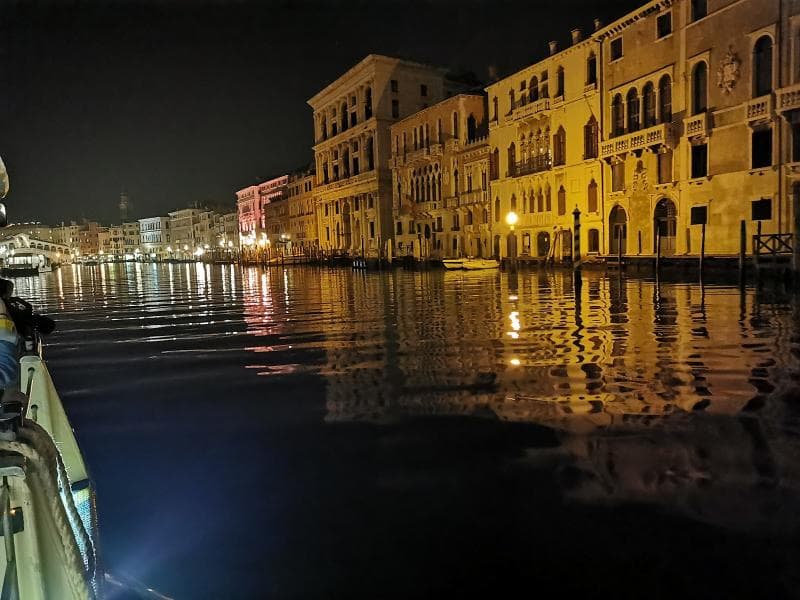
Explore Venice's Grand Canal, the city's historic S-shaped waterway. Discover its ancient palaces, iconic bridges, and unique charm. An essential Venice, Italy experience.
Overview
The Grand Canal, or 'Canal Grande' in Italian, is the magnificent main waterway that gracefully snakes through the heart of Venice, Italy. Tracing a distinctive reverse 'S' shape, it spans approximately 3.8 kilometers (2.4 miles) from the Santa Lucia railway station area to the San Marco Basin. Varying in width between 30 and 90 meters and reaching an average depth of 5 meters (16 feet), this natural channel forms the primary traffic corridor and divides the city into two distinct parts. It is not merely a canal but Venice's bustling aquatic main street, essential for transportation, commerce, and tourism, captivating all who witness its beauty.
History & Cultural Background
The Grand Canal's origins predate the city of Venice itself, following the course of an ancient river, possibly a branch of the Brenta. Early settlements, inhabited by Adriatic Veneti groups, existed along this channel even before the Roman age, relying on fishing and salt commerce. With the rise of the Venetian Republic, the canal became the vital artery for trade, transforming Venice into a powerful maritime republic and a crucial commercial link between Europe and the East. Merchant ships laden with spices, silk, and precious goods navigated its waters. This immense wealth led to the construction of 'fondaco' houses, serving as warehouses and lodging for foreign merchants, and later, opulent palaces by patrician families. From the 12th to the 18th century, the canal's banks blossomed with architectural masterpieces, showcasing a rich evolution of styles including Venetian-Byzantine, Gothic, Renaissance, and Baroque, each reflecting the city's prosperity and artistic prowess.
What Makes It Special
What truly sets the Grand Canal apart is its unparalleled role as a car-free urban thoroughfare. Instead of roads, the city relies on its intricate network of waterways, with the Grand Canal at its epicenter. This unique setup means that everything, from daily commutes to deliveries and even emergency services, happens by boat. The canal is famously lined with over 170 magnificent buildings, predominantly palaces ('palazzi') constructed between the 13th and 18th centuries. These structures, built by wealthy Venetian families, often open directly onto the water, presenting a spectacular open-air gallery of history and elegance. Four iconic bridges gracefully span the Grand Canal: the ancient and most famous Rialto Bridge, the wooden Accademia Bridge, the Scalzi Bridge, and the modern Constitution Bridge. Each offers distinct perspectives and contributes to the canal's picturesque charm.
Stories, Fun Facts & Local Details
Life on the Grand Canal is a perpetual dance of boats. Traditional gondolas, poled by skilled gondoliers, offer an iconic way to experience its beauty, while public water buses, known as vaporettos, serve as the city's main public transport system, operating day and night. Beyond these, water taxis, police boats, fire services, and barges for goods delivery all ply the canal, illustrating its indispensable function in daily Venetian life. The canal is also the stage for traditional events, most notably the 'Regata Storica' held every September, where historic boats and gondolas race, celebrating Venice's seafaring traditions. Many of the grand palaces along its banks, such as the Ca' d'Oro with its ornate Gothic facade, or Ca' Pesaro, now housing art museums, tell tales of past opulence and present cultural treasures. For a quick crossing, locals and savvy travelers use 'traghetti,' shared gondolas that ferry passengers across at specific points.
Visitor Perspective
Experiencing the Grand Canal is essential to understanding the soul of Venice. A vaporetto ride offers a comprehensive and economical way to traverse its entire length, providing panoramic views of the palaces, churches, and bridges that define its banks. Opt for lines 1 or 2 to enjoy the full spectacle. For a more intimate and traditional experience, a gondola ride allows you to glide serenely past historical buildings and under charming bridges, often venturing into smaller canals off the main thoroughfare. Spring (April to June) and early autumn (September to October) are considered the best times to visit, offering pleasant weather and a vibrant atmosphere. As you journey along, keep an eye out for architectural marvels like the Santa Maria della Salute church at its entrance to the San Marco Basin, a Baroque masterpiece, and the bustling Rialto Market area near the bridge, a testament to centuries of commerce. Whether by public transport or private gondola, every moment spent on or beside the Grand Canal is an immersion into Venice's unique history and enduring allure.
Coordinates: 12.32596, 45.43678
View on Google Maps💬 How Travelers Describe This Place
Based on community votes
Beautiful
791Photogenic
613Unique
514Must See
457Interesting
207
Traveler Stories
Discover memorable experiences shared by travelers who have visited this place.
No traveler stories yet.
Be the first traveler to share what made this place memorable.
Things to see at Grand Canal



Tour
By
Spot
Discover amazing places around the world. Your journey starts here.
Explore
© 2026 TourBySpot. All rights reserved.