Vaporetto Routes
Venice, Italy
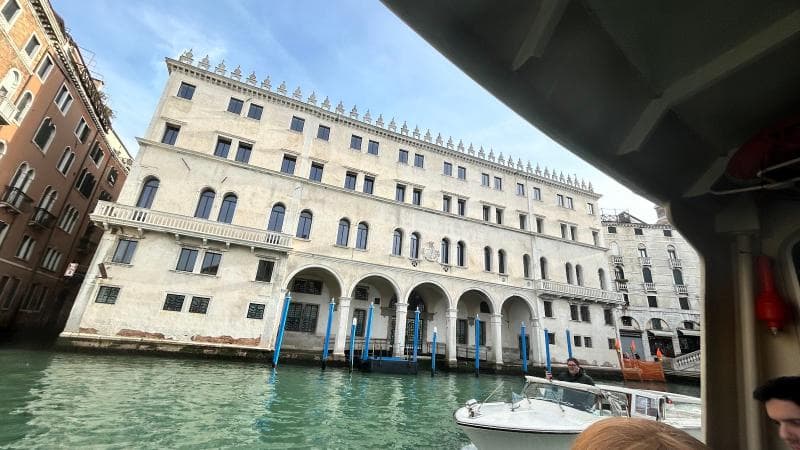
Explore Venice's Vaporetto routes along the Grand Canal. Discover history, cultural insights, and practical tips for navigating Venice, Italy's iconic water bus system.
Overview
Venice, a city famously devoid of roads, relies on its intricate network of waterways for transportation, and at the heart of this system are the Vaporetto routes. These public water buses, operated by Azienda del Consorzio Trasporti Veneziano (ACTV), are the lifeblood of the city, serving as both an essential daily commute for locals and an unparalleled sightseeing experience for visitors. Traversing the iconic Grand Canal and extending to the wider Venetian Lagoon, Vaporetto routes connect key areas of the historic center with outlying islands like Murano, Burano, and the Lido. They offer a unique perspective of Venice's magnificent architecture and daily rhythm, providing the most comprehensive way to navigate this floating city.
The Vaporetto system comprises numerous lines, each designated by a number and often a color, making navigation surprisingly straightforward. While Line 1 is celebrated for its leisurely journey along the entire Grand Canal, stopping at nearly every landmark, Line 2 offers a more express service for quicker transit. Understanding these routes is fundamental to truly experiencing Venice beyond its walkable alleys and bridges.
History & Cultural Background
The concept of public water transport in Venice dates back to the late 19th century. The very first Vaporetto, named 'Regina Margherita', was launched in 1881, marking a significant shift from the traditional gondolas and rowing boats that had dominated Venetian waterways for centuries. The term 'vaporetto' itself, meaning 'little steamer', is a charming vestige of its origins, referring to the steam-powered engines that propelled these early vessels.
The introduction of Vaporetti was not without its challenges; early steam-powered boats faced initial skepticism and even protests from gondoliers who saw them as competition. However, these modern water buses quickly proved their efficiency and convenience, becoming an indispensable part of Venetian life and eventually coexisting with the romantic gondolas. Over the decades, the fleet evolved, transitioning from steam to more environmentally friendly diesel and even hybrid electric/diesel engines, while the beloved name 'vaporetto' endured.
What Makes It Special
What truly sets Vaporetto routes apart is the immersive experience they offer. Unlike any other public transport system in the world, the Vaporetto provides a floating vantage point to admire Venice's unparalleled beauty. Gliding along the Grand Canal, passengers pass by centuries-old palazzi, majestic churches, and bustling markets, all reflected in the shimmering water.
It is more than just transportation; it is a moving panorama that reveals the city's unique relationship with water. The Vaporetto allows visitors to connect with the local pulse, observing Venetians as they go about their daily lives, commuting to work or school. It also provides access to the quieter, less-traveled corners of the lagoon, making exploration of islands like Murano, famous for its glass, and Burano, known for its colorful houses, effortlessly accessible.
Stories, Fun Facts & Local Details
One fascinating detail is that the first 'Regina Margherita' vaporetto made a long journey from Nantes, France, navigating the Atlantic coast and circumnavigating Italy to reach its Venetian home. The continued use of the name 'vaporetto', despite the technological advancements, highlights a deep-seated respect for history and tradition within the city. The initial friction with gondoliers eventually led to a unique coexistence, with vaporetti handling mass transit and gondolas preserving their role in romantic tours and smaller canals.
Today, ACTV is actively working on sustainability, introducing hybrid vehicles designed to reduce environmental impact and minimize wave motion, which is crucial for protecting Venice's delicate foundations. Locals refer to the boat stops as 'imbarcaderi', a term you'll hear frequently when navigating the city. Riding a Vaporetto after dark offers a particularly enchanting and romantic perspective, as the illuminated palaces cast dancing reflections on the water, transforming the city into a magical spectacle.
Visitor Perspective
For any traveler to Venice, utilizing the Vaporetto system is a must. Tickets, including single-journey fares and convenient multi-day passes, can be purchased at Venezia Unica/ACTV ticket counters, vending machines, or authorized vendors. It's crucial to always validate your ticket using the electronic readers at the boat stop before boarding to avoid fines.
For a comprehensive Grand Canal tour, take Line 1, which meanders slowly, allowing ample time for sightseeing and photography. If speed is a priority, Line 2 offers a faster route with fewer stops along the Grand Canal. To explore the captivating lagoon islands, Line 12 from Fondamente Nove is your gateway to Murano, Burano, and Torcello. For the best views, especially on older boats, try to secure a spot in the open bow or the covered open-air seats in the stern. To avoid peak crowds, consider riding in the evening when commuters are heading out, or embrace the serene beauty of a night ride.
Coordinates: 12.3327, 45.4371
View on Google Maps💬 How Travelers Describe This Place
Based on community votes
Beautiful
948Unique
913Interesting
337Must See
196Photogenic
94
Traveler Stories
Discover memorable experiences shared by travelers who have visited this place.
No traveler stories yet.
Be the first traveler to share what made this place memorable.

Tour
By
Spot
Discover amazing places around the world. Your journey starts here.
Explore
© 2026 TourBySpot. All rights reserved.