Gorkhi-Terelj National Park
Ulaanbaatar, Mongolia
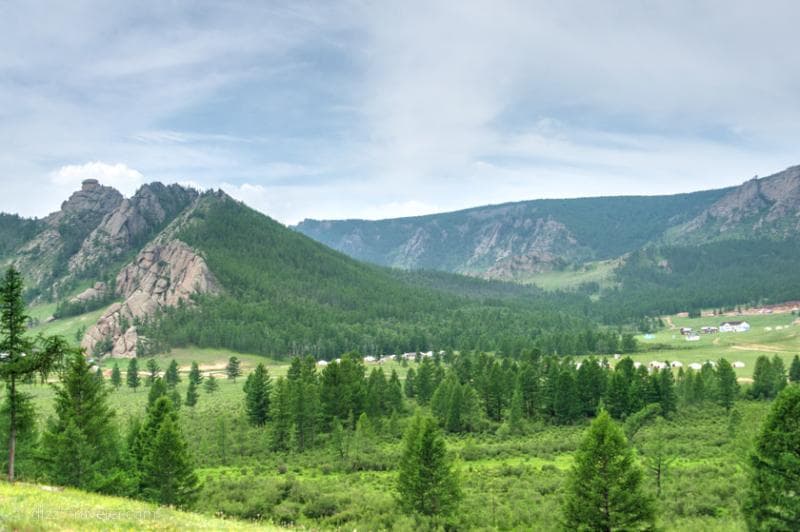
Discover Gorkhi-Terelj National Park, Ulaanbaatar, Mongolia. Explore stunning granite formations, nomadic culture, and diverse wildlife just outside the capital.
Overview
Gorkhi-Terelj National Park, often simply called Terelj National Park, is a breathtaking natural expanse nestled in the southern Khentii Mountains of Mongolia. Established in 1993, it stands as one of the country's most popular and accessible protected areas, located approximately 50 to 70 kilometers northeast of the capital city, Ulaanbaatar. The park spans a significant area, estimated around 2,864 to 2,975 square kilometers, showcasing a dramatic landscape characterized by towering granite rock formations, lush river valleys, and expansive meadows. Its proximity to Ulaanbaatar makes it a favored retreat for both locals and international visitors seeking to immerse themselves in Mongolia's striking natural beauty and nomadic culture.
The terrain is a vivid tapestry of alpine scenery, with the Tuul and Terelj rivers winding through valleys and forests. Visitors can expect to find a diverse environment, from dense forests on northern slopes to meadows carpeted with wildflowers in warmer months. The park's distinct geology, rich biodiversity, and cultural experiences offer a multifaceted journey into the heart of Mongolia.
History & Cultural Background
The history of Gorkhi-Terelj National Park as a protected area dates back to 1993, though its natural allure has attracted visitors since at least 1964. Geologically, the region holds a fascinating past. Millions of years ago, the area now known as Terelj was the floor of a vast seaway, the Mongol-Okhotsk Ocean. The dramatic granite massifs and unique rock formations seen today are a result of tectonic plate collisions, which buckled and pushed the ancient seabed upwards, forming the Khentii mountain range. Over millennia, wind, rain, frost, ice, and natural acids have meticulously sculpted these huge granite blocks into the bizarre and captivating shapes that define the park's scenery.
Beyond its geological narrative, Gorkhi-Terelj is deeply intertwined with Mongolia's enduring nomadic heritage. The park is home to nomadic families who continue to practice traditional herding lifestyles, offering an authentic glimpse into their way of life. Visitors can stay in traditional ger camps, participate in daily activities, and experience the cultural richness that has shaped Mongolia for centuries. This blend of ancient natural history and living cultural tradition creates a truly unique destination.
What Makes It Special
Gorkhi-Terelj National Park is renowned for several distinct features that set it apart. Foremost among these are its spectacular granite rock formations, which have been eroded into fantastical shapes. The most famous of these is Turtle Rock, or 'Melkhii Khad' in Mongolian, a massive 24-meter-tall formation strikingly resembling a turtle emerging from the ground. Other formations evoke images of camels or meditating lamas.
The park's diverse ecosystem contributes significantly to its special character. It boasts alpine valleys, forested mountains with birch, cedar, pine, and larch trees, and open steppes. This varied habitat supports a range of wildlife, including red deer, Siberian roe deer, wild boar, foxes, and various bird species, with the elusive grey wolf and brown bear occasionally sighted. In spring and summer, the meadows transform into vibrant tapestries of wildflowers, including the celebrated edelweiss. Another significant attraction is the Aryabal Meditation Temple, a tranquil Buddhist center offering panoramic views and a serene atmosphere for reflection.
Stories, Fun Facts & Local Details
The iconic Turtle Rock is not just a geological marvel; it is also steeped in local folklore. One popular legend suggests that the Oirat Khan Galdanboshigt hid his treasures within the rock during a 17th-century war with Manchu troops, and they are said to remain buried there. Another captivating tale speaks of one of the Khan's wives, whose form is believed to be visible in the mountainside near Turtle Rock, eternally guarding the hidden riches.
A lesser-known fact about the Terelj area is its past as a mining hub for precious crystals. In 1924, Russian scientist A.E. Fersman conducted research in the region and discovered 22 types of crystals, bringing back 25 kilograms as samples for his museum. This highlights the area's geological richness beyond its striking granite. Culturally, experiencing a stay in a 'ger' (a traditional nomadic dwelling, often called a yurt) with a local family offers profound insights into Mongolian customs, including preparing traditional meals, making dairy products, and learning basic horsemanship.
Visitor Perspective
For the curious traveler, Gorkhi-Terelj National Park offers an immersive experience that blends outdoor adventure with cultural discovery. Its accessibility from Ulaanbaatar, typically a 1.5 to 2-hour drive, makes it an ideal destination for short trips or longer stays. The park caters to a wide range of activities, from leisurely hikes through wildflower-filled meadows to more challenging treks up rugged hillsides.
Horseback riding is a quintessential Mongolian experience available for all skill levels, allowing visitors to explore the vast landscapes like nomads. Other activities include rock climbing, river rafting, and in winter, cross-country skiing and ice skating. The opportunity to visit or stay in a traditional ger camp provides a meaningful cultural exchange, offering insights into the daily rhythms and hospitality of nomadic life. Whether seeking spiritual tranquility at Aryabal Meditation Temple, marveling at the unique rock formations, or engaging with local traditions, Terelj provides a memorable and enriching journey into Mongolia's heart.
Coordinates: 107.5267, 47.9805
View on Google Maps💬 How Travelers Describe This Place
Based on community votes
Photogenic
799Beautiful
639Unique
526Must See
366Interesting
181
Traveler Stories
Discover memorable experiences shared by travelers who have visited this place.
No traveler stories yet.
Be the first traveler to share what made this place memorable.
Things to see at Gorkhi-Terelj National Park



Tour
By
Spot
Discover amazing places around the world. Your journey starts here.
Explore
© 2026 TourBySpot. All rights reserved.