Nomadic Ger Camps
Ulaanbaatar, Mongolia
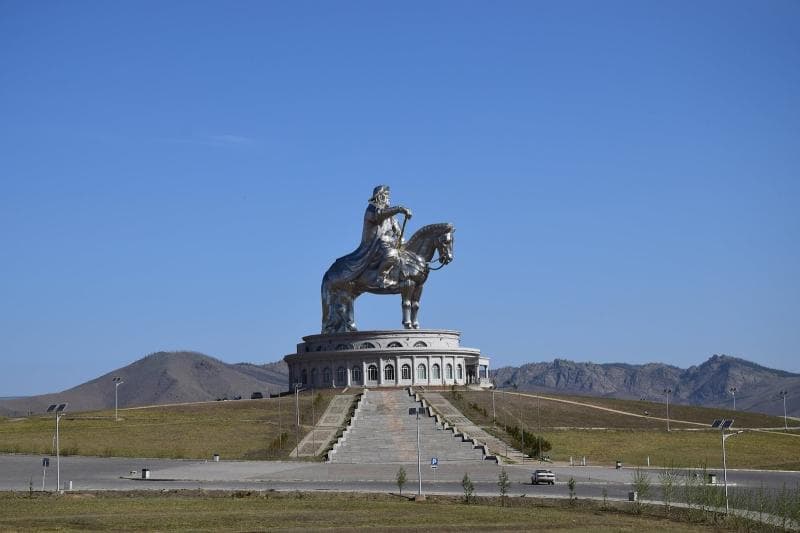
Experience authentic nomadic life at a Ger Camp in Gorkhi-Terelj National Park, Ulaanbaatar, Mongolia. Immerse in rich culture and stunning landscapes.
Overview
Nestled within the breathtaking landscapes of Gorkhi-Terelj National Park, just a short journey from Mongolia's capital, Ulaanbaatar, lie the remarkable Nomadic Ger Camps. These aren't merely places to sleep; they are gateways to understanding the heart of Mongolian culture and the enduring spirit of its nomadic people. A ‘ger’, often mistakenly called a 'yurt' by foreigners, is the traditional, circular felt-covered dwelling that has served as a home for Mongolians for millennia. Staying in a ger camp offers visitors a unique opportunity to immerse themselves in a lifestyle shaped by centuries of tradition, surrounded by the dramatic beauty of rolling hills, pine-clad mountains, and unique rock formations.
Gorkhi-Terelj National Park itself is a prime example of Mongolia's stunning natural beauty, making it an ideal setting for these traditional dwellings. The park is renowned for its spectacular scenery, including the iconic Turtle Rock and the serene Aryabal Meditation Temple. The presence of ger camps within this protected area provides an accessible yet profound connection to Mongolia's nomadic heritage, blending authentic cultural experiences with the tranquility of nature.
History & Cultural Background
The ger is more than just a shelter; it is a profound symbol of Mongolia's nomadic heritage and its people's adaptability to the harsh Central Asian steppes. Its design has been refined over thousands of years, with the first written descriptions by the ancient Greek historian Herodotus dating back to around 600 BC. This ingenious structure is built for mobility, resilience, and harmony with nature, allowing families to easily pack up and move their homes in search of better pastures for their livestock.
The traditional ger reflects a minimalist lifestyle, prioritizing spiritual wealth, community, and a deep connection to the natural world over material possessions. Its construction from natural materials like wood, felt (made from sheep's wool), and canvas allows it to be warm in winter and cool in summer. In 2013, the ger was recognized by UNESCO, inscribed on the Representative List of the Intangible Cultural Heritage of Humanity, acknowledging its enduring cultural significance.
What Makes It Special
The inherent genius of the ger lies in its practicality and design. Its circular shape is not only aesthetically pleasing but also highly functional, deflecting strong winds and efficiently retaining heat. The entire structure, from its collapsible wooden lattice walls to its roof poles and central crown (toono), can be assembled or dismantled in just a few hours. This portability is crucial for the nomadic way of life, enabling herding families to move with the seasons and their animals.
In Gorkhi-Terelj, ger camps range from simple, authentic setups that closely mirror traditional nomadic living to more developed tourist camps offering enhanced comfort, sometimes even with en-suite bathrooms and various amenities. Regardless of their modernity, the core structure and spirit of the ger remain, providing a genuinely unique accommodation experience that differs vastly from conventional hotels. Visitors can enjoy the serene environment, often with clear, star-filled skies, and gain a profound appreciation for the ingenuity of Mongolian engineering and the sustainable practices of its people.
Stories, Fun Facts & Local Details
Stepping into a ger reveals a world rich with tradition and specific etiquette. The wooden threshold at the entrance is sacred, and one should always step over it, never on it, as doing so is considered deeply disrespectful. Inside, movement is typically clockwise, reflecting the sun's path, and specific seating arrangements denote respect, with the position opposite the door reserved for the most honored guest or host. Men traditionally sit on the western side, women on the eastern.
The central stove, crucial for heating and cooking, holds a special place; pointing one's feet towards the fire is considered disrespectful because the hearth is sacred. The 'toono' or crown at the top of the ger is not just a smoke hole; it serves as a skylight, a compass, and is seen by many Mongolians as a spiritual pathway connecting the ger's inhabitants to the sky above. Hospitality is a cornerstone of nomadic culture, and guests are often welcomed with food, drink, and shelter, embodying a tradition rooted in mutual assistance vital for survival in Mongolia's remote areas.
Visitor Perspective
Staying in a Nomadic Ger Camp in Gorkhi-Terelj National Park offers an unforgettable cultural adventure. Travelers can choose to stay in tourist-oriented camps, which often provide a balance of traditional atmosphere and some modern conveniences like shared Western-style toilets and showers, and even restaurants serving both Mongolian and European dishes. Alternatively, some operators offer homestay experiences with genuine nomadic families, allowing for deeper immersion into daily routines such as herding, milking, and traditional cooking.
Beyond the ger itself, the park provides numerous activities. Visitors can engage in horse riding through picturesque valleys, visit significant landmarks like Turtle Rock and the Aryabal Meditation Temple, or simply enjoy hiking and stargazing in the pristine natural environment. The experience fosters a sense of connection to a timeless way of life and the vast, open landscapes of Mongolia, creating memories that resonate long after the journey ends.
Coordinates: 107.438794, 47.902744
View on Google Maps💬 How Travelers Describe This Place
Based on community votes
Photogenic
926Must See
703Interesting
646Unique
380Beautiful
291
Traveler Stories
Discover memorable experiences shared by travelers who have visited this place.
No traveler stories yet.
Be the first traveler to share what made this place memorable.

Tour
By
Spot
Discover amazing places around the world. Your journey starts here.
Explore
© 2026 TourBySpot. All rights reserved.