Terelj River
Ulaanbaatar, Mongolia
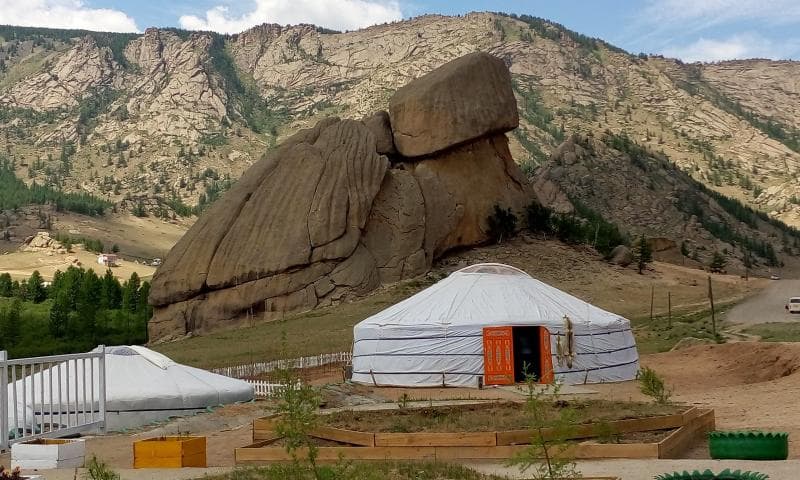
Explore the Terelj River within Gorkhi-Terelj National Park, Ulaanbaatar, Mongolia. Discover stunning granite formations, rich history, and nomadic culture.
Overview
Nestled within the breathtaking landscapes of Gorkhi-Terelj National Park, just a short distance northeast of Ulaanbaatar, Mongolia, lies the serene Terelj River. This picturesque waterway meanders through a realm of towering granite formations, lush meadows, and dense forests, offering a tranquil escape from urban life. Established in 1993, Gorkhi-Terelj is celebrated for its stunning alpine scenery and is one of Mongolia's most accessible and beloved national parks, drawing visitors with its unique blend of natural beauty and cultural depth.
The park's terrain is a geological marvel, sculpted over millennia by wind and water, resulting in distinct rock formations that captivate the imagination. The Terelj River itself is not just a scenic element but a vital artery, carving valleys and supporting the rich biodiversity of the region. As it flows, the river offers a sense of peace and a connection to the raw, untamed spirit of Mongolia.
History & Cultural Background
The region encompassing the Terelj River and Gorkhi-Terelj National Park holds significant historical and cultural weight. It forms part of the larger Khan Khentii Strictly Protected Area, a territory renowned for its ecological importance and its deep ties to Mongolia's storied past. This area is historically linked to the birthplace of Genghis Khan, adding a legendary aura to its natural grandeur.
Archaeological discoveries along the banks of the Terelj River, including tombs dating back to the ancient Xiongnu era, speak to the long human presence and rich heritage of this land. These monuments, often dedicated to great warriors, are among the oldest graves found in Central Asia, providing a tangible link to a bygone era.
Today, the park offers a living cultural experience, allowing travelers to immerse themselves in traditional Mongolian nomadic life. Numerous ger camps dot the landscape, inviting visitors to partake in customs passed down through generations, fostering a profound appreciation for the enduring nomadic spirit. The Aryabal Meditation Temple, perched on a hillside within the park, stands as a spiritual beacon, offering panoramic views and a tranquil space for reflection, symbolizing the deep spiritual connection Mongolians have with their land.
What Makes It Special
The Terelj River area is distinguished by its dramatic granite rock formations, which are perhaps its most iconic feature. Among these, 'Turtle Rock' (Melkhii Khad) is particularly famous, named for its striking resemblance to a colossal turtle. This natural sculpture holds deep symbolic meaning for Mongolians, embodying peace, wisdom, and longevity. Another notable formation is the 'Praying Lama Rock,' or 'Old Man Reading a Book,' which evokes a sense of spiritual contemplation.
Beyond its geological wonders, the park is a haven for wildlife. The forests and riverbanks provide a habitat for a diverse array of animals, including brown bears, elk, various deer species, fox, wolves, and over 250 species of birds. This rich biodiversity makes the Terelj River valley a crucial conservation zone and a prime location for nature enthusiasts. In spring and summer, the landscape transforms with vibrant wildflowers, including the delicate edelweiss, adding bursts of color to the already stunning scenery.
The close proximity of the park to Ulaanbaatar, typically an hour's drive, makes it an ideal destination for both short excursions and extended stays, offering an easily accessible escape into Mongolia's raw, natural beauty.
Stories, Fun Facts & Local Details
The Terelj River, or Terelj Gol, is more than just a waterway; it's interwoven with local legends and the daily lives of the nomadic people who call this land home. Historically, the area was known for its mineral wealth, with mining for smokestone, amethyst, and pure crystals occurring until the 1960s. Russian scientist Fersman A.E. even discovered 22 types of crystals in the area in 1924, collecting samples for his museum.
The distinct rock formations are often subjects of local folklore. The towering 'Turtle Rock' is revered, with some stories suggesting it contains hidden treasures. Another mountain, 'Khuukhen Uul' or 'Woman Mountain,' is said to resemble a woman lying down, inspiring its own set of legends. Even the '100 Monks Cave' or 'Three Friends Cave' has tales of monks seeking refuge there during times of upheaval, perhaps even during the communist purge era. These stories add layers of mystery and wonder to the natural landscape.
For many Mongolians, the Terelj River and its surroundings represent a deep connection to their heritage and the freedom of the steppe. The practice of setting up ger camps along the river, where visitors can experience traditional hospitality, reflects a way of life that has sustained generations.
Visitor Perspective
A journey to the Terelj River and Gorkhi-Terelj National Park offers a profoundly immersive experience. Visitors can embark on diverse activities such as hiking along picturesque trails that range from gentle riverside strolls to more challenging mountain treks, or discover the expansive landscapes on horseback, a quintessential Mongolian experience.
For those seeking adventure, opportunities for rock climbing among the granite tors abound. In winter, the park transforms into a snowy wonderland, ideal for activities like dog sledding across its frozen plains. Kayaking is also possible on the Tuul River, which also flows through the park.
Beyond the adrenaline, the park is a place for quiet contemplation. The path leading to the Aryabal Meditation Temple is lined with Buddhist teachings, encouraging mindful reflection amid the stunning natural beauty. Staying in a traditional ger provides an authentic taste of nomadic life, fostering a sense of connection to the land and its people. This blend of adventure, cultural immersion, and peaceful retreat makes the Terelj River area an unforgettable destination.
Coordinates: 107.576, 48.1502
View on Google Maps💬 How Travelers Describe This Place
Based on community votes
Photogenic
703Unique
521Must See
477Beautiful
157Interesting
28
Traveler Stories
Discover memorable experiences shared by travelers who have visited this place.
No traveler stories yet.
Be the first traveler to share what made this place memorable.

Tour
By
Spot
Discover amazing places around the world. Your journey starts here.
Explore
© 2026 TourBySpot. All rights reserved.