Hiking Routes
Ulaanbaatar, Mongolia
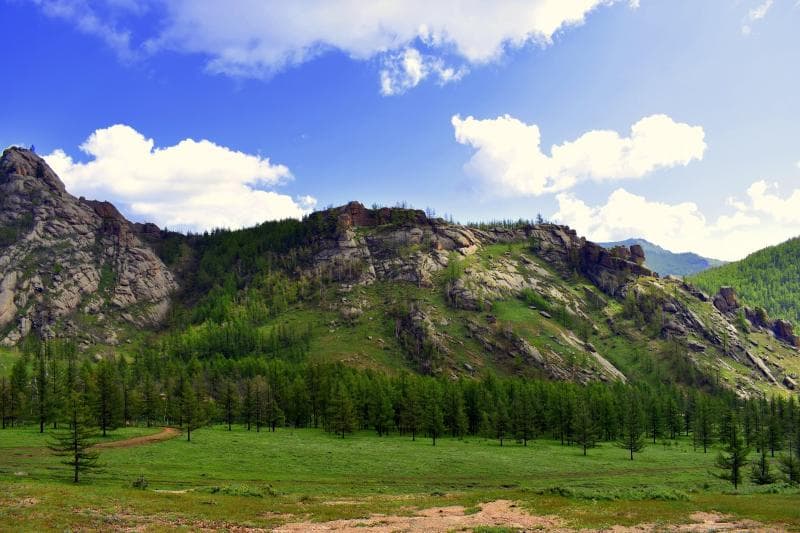
Discover the enchanting hiking routes of Gorkhi-Terelj National Park, Ulaanbaatar, Mongolia. Explore unique rock formations, ancient traditions, and serene landscapes.
Overview
Gorkhi-Terelj National Park, located approximately 50 to 70 kilometers northeast of Ulaanbaatar, Mongolia, offers a breathtaking escape into nature. Established in 1993, this expansive park spans about 2,864 square kilometers, presenting a dramatic landscape of granite tors, rolling mountains, and lush river valleys. Its convenient proximity to the capital makes it a favored destination for both locals and travelers seeking to immerse themselves in Mongolia's natural splendor. The park is characterized by unique rock formations, diverse wildlife, and a rich array of flora, making it an ideal location for outdoor enthusiasts.
Hiking is a primary activity in Gorkhi-Terelj National Park, with routes catering to all experience levels, from leisurely strolls along the Terelj River to more strenuous climbs up rugged hillsides. Visitors can explore iconic landmarks like Turtle Rock and the Aryabal Meditation Temple on foot, enjoying panoramic views and a serene atmosphere. The park's terrain, with its mix of dirt paths and rocky sections, provides a varied and engaging hiking experience.
History & Cultural Background
The history of Gorkhi-Terelj National Park is deeply intertwined with Mongolia's nomadic heritage. The area was a popular tourist destination even before its official designation as a national park in 1993. Nomadic traditions continue to thrive within the park, where herders still tend their livestock in traditional felt gers, offering a glimpse into a lifestyle that has persevered for centuries.
Culturally significant sites abound, such as the Aryabal Meditation Temple, a Tibetan-style monastery perched high on a hillside. Originally built in the 19th century, it was later destroyed during political purges and meticulously rebuilt in the early 2000s, serving as a place for reflection and spiritual practice. Another landmark, Turtle Rock, holds symbolic importance, representing longevity and wisdom in Mongolian culture. The broader Khentii Mountains, which include parts of the park, are historically significant as the birthplace of Genghis Khan, adding a layer of profound historical context to the natural environment.
What Makes It Special
Gorkhi-Terelj National Park distinguishes itself through its striking geological features and ecological diversity. The park's landscape is dominated by dramatic granite tors, sculpted by millennia of erosion into fascinating shapes. Among these, Turtle Rock, or 'Melkhii Khad', is perhaps the most famous, strikingly resembling a giant turtle with its head extended. Other formations include the 'Praying Lama Rock' or 'Old Man Reading a Book', and 'Camel Rock', inspiring wonder and imagination.
Beyond its geological wonders, the park is a haven for wildlife. It shelters diverse bird species, red deer, Siberian roe deer, marmots, foxes, and even the elusive grey wolf. The varied flora encompasses species from Arctic tundra, northern coniferous forests, and Mongolian steppe grass, creating a unique botanical tapestry. The serene Tuul and Terelj rivers wind through the park, adding to its picturesque beauty and ecological richness.
Stories, Fun Facts & Local Details
Exploring the hiking routes of Gorkhi-Terelj offers more than just scenic views; it's an encounter with local lore and practices. Turtle Rock, a 24-meter-tall granite formation, is a source of many local legends and is sometimes referred to as Coin Rock or Silver Rock by locals.
A hike to the Aryabal Meditation Temple involves crossing a wooden bridge and ascending 108 steps, with each step representing a Buddhist prayer bead. This walk is considered a ritual to cleanse sins, with Buddhist proverbs lining the path, offering moments of contemplation. Along trails, particularly near sacred sites, you might observe 'khadags,' blue silk scarves tied to tree branches, symbolizing reverence for the sky god Tengri, deeply rooted in Mongolian folk shamanism and Buddhism. For multi-day treks, gear is often transported by yak cart, a traditional method still used by herders, providing a unique cultural detail to the adventure. Hikers often have the chance to meet local herders, gaining insights into their daily lives and traditions.
Visitor Perspective
Hiking in Gorkhi-Terelj National Park is an accessible and rewarding experience for most travelers. The park offers a range of trails, from easy walks perfect for casual explorers to more challenging treks for seasoned hikers. Popular routes include the path around Turtle Rock and the ascent to the Aryabal Meditation Temple, which provide stunning vistas of the surrounding valleys. For example, the Gorkhi-Terelj National Park Loop is a moderate 10-kilometer trail, typically taking 3-4 hours, featuring unique rock formations and opportunities for wildlife spotting.
The best time for hiking is generally from May to October, when the weather is mild and trails are dry. During these months, the park's valleys are adorned with wildflowers, and the changing colors of autumn provide a spectacular backdrop for late-season treks. Visitors are encouraged to wear appropriate attire and footwear, carry sufficient water and snacks, and be mindful of the natural environment and local fauna. Whether opting for a short walk or a multi-day expedition, the hiking routes in Gorkhi-Terelj National Park offer an unforgettable immersion into Mongolia's captivating landscapes and rich cultural heritage.
Coordinates: 107.576, 48.1502
View on Google Maps💬 How Travelers Describe This Place
Based on community votes
Must See
915Unique
873Photogenic
477Interesting
422Beautiful
53
Traveler Stories
Discover memorable experiences shared by travelers who have visited this place.
No traveler stories yet.
Be the first traveler to share what made this place memorable.

Tour
By
Spot
Discover amazing places around the world. Your journey starts here.
Explore
© 2026 TourBySpot. All rights reserved.