Scenic Granite Formations
Ulaanbaatar, Mongolia
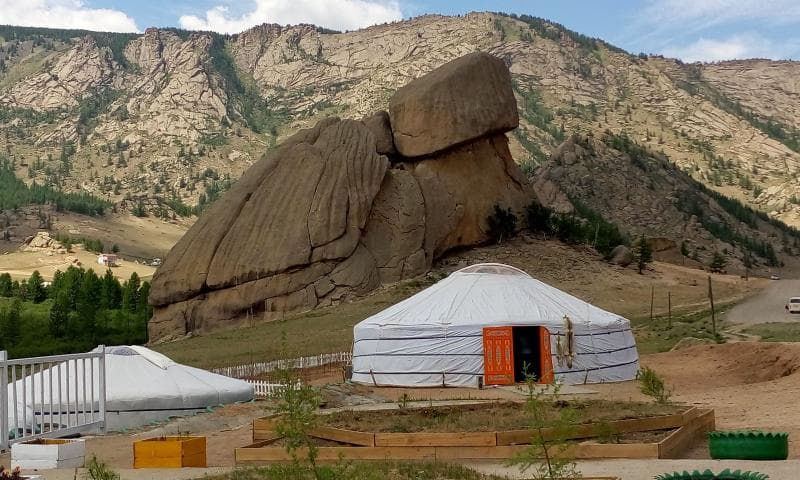
Explore the Scenic Granite Formations, including iconic Turtle Rock, in Gorkhi-Terelj National Park, Ulaanbaatar, Mongolia. Discover ancient legends and unique geology.
Overview
Nestled within the breathtaking landscapes of Gorkhi-Terelj National Park, just a short drive from Ulaanbaatar, Mongolia, lies a collection of mesmerizing Scenic Granite Formations. Among these natural marvels, one stands out with iconic recognition: Turtle Rock, known locally as Melkhii Khad. This colossal granite outcrop, soaring approximately 24 meters (79 feet) high, remarkably resembles a giant tortoise resting in the vast open steppes. Its presence is a testament to the immense power of nature's artistry, making it a focal point for visitors exploring the park's unique beauty. The park itself is a dramatic expanse of rolling hills, dense pine forests, and winding rivers, offering a stark yet beautiful contrast to the nearby capital city.
History & Cultural Background
The geological narrative of these formations, particularly Turtle Rock, is etched over millions of years by relentless natural forces. Composed predominantly of biotite granite, these structures have been sculpted by wind, rain, and tectonic movements. This process, often referred to as spheroidal or 'woolsack' weathering, gradually eroded softer rock layers, leaving behind the distinctive, rounded shapes we see today. Beyond their geological significance, these formations hold deep cultural roots. Historically, Turtle Rock was also known as 'Möngöt Tsokhio' or 'Möngöt Khad', translating to 'Silver Rock' or 'Money Rock'. This ancient naming hints at the profound spiritual and material value locals have long associated with this natural landmark.
What Makes It Special
What truly sets the Scenic Granite Formations apart, and Turtle Rock in particular, is their uncanny resemblance to various figures, animals, and objects. Turtle Rock's intricate details—its rounded back and a distinct head—give it an astonishingly lifelike quality, making it one of Mongolia's most photographed natural landmarks. This natural sculpture is not alone; other captivating formations like Camel Rock and the 'Praying Lama Rock' (sometimes called the Old Man Reading a Book) add to the park's unique charm, each inviting visitors to marvel at nature's whimsical handiwork. The granite rocks emerge majestically from the forest floor, creating a landscape that has earned Gorkhi-Terelj National Park the nickname 'the Switzerland of Mongolia', owing to its magnificent alpine scenery and rugged, tree-covered mountains.
Stories, Fun Facts & Local Details
The formations are steeped in rich folklore and local legends. One of the most enduring tales surrounding Turtle Rock involves Galdan Boshigt Khan of the Oirats. Legend has it that during a battle with the Manchu troops in the 1600s, Galdan Boshigt Khan concealed his remaining forces and, more famously, hid his gold and silver treasures within a natural cavity atop Turtle Rock. Since then, the rock has been revered as a guardian of this lost treasure, inspiring its 'Money Rock' moniker and attracting those who seek wealth. Another local legend recounts how the hero Luuzansharav hid his riches inside the rock after a tragic incident. In Mongolian culture, the turtle is a revered animal, symbolizing peace, wisdom, and longevity. This cultural reverence further enhances the mystique and significance of Turtle Rock, making it not just a geological wonder but also a powerful cultural emblem.
Visitor Perspective
For the curious traveler, visiting the Scenic Granite Formations offers an immersive experience into Mongolia's natural and cultural heart. The area surrounding Turtle Rock is a hub for outdoor activities. Many visitors enjoy horseback riding or camel riding, traversing the vast grasslands and experiencing the traditional nomadic lifestyle firsthand. The scenic paths also lead to the tranquil Aryabal Meditation Temple, perched on a hillside, offering panoramic views of the surrounding granite-studded valleys. Photographers find endless inspiration in the dramatic interplay of light and shadow on the granite, especially during sunrise and sunset, capturing the raw beauty of the Mongolian landscape. With numerous ger camps scattered throughout the tourist zone, it's easy to spend a night under the stars, feeling completely connected to this extraordinary place. Its accessibility, roughly 55 to 65 kilometers northeast of Ulaanbaatar, makes it an ideal destination for both day trips and longer stays, promising an unforgettable adventure into Mongolia's geological and cultural heritage.
Coordinates: 107.4229, 47.9074
View on Google Maps💬 How Travelers Describe This Place
Based on community votes
Beautiful
639Unique
569Photogenic
476Interesting
128Must See
93
Traveler Stories
Discover memorable experiences shared by travelers who have visited this place.
No traveler stories yet.
Be the first traveler to share what made this place memorable.

Tour
By
Spot
Discover amazing places around the world. Your journey starts here.
Explore
© 2026 TourBySpot. All rights reserved.