Tuul River Valley
Ulaanbaatar, Mongolia
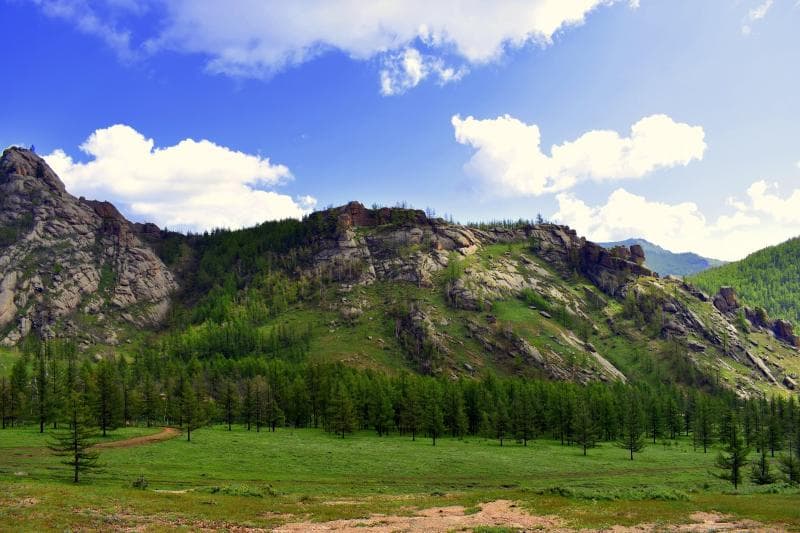
Explore the Tuul River Valley in Gorkhi-Terelj National Park, Ulaanbaatar, Mongolia. Discover its rich history, unique ecosystem, and cultural significance.
Overview
Nestled within the breathtaking landscapes of Gorkhi-Terelj National Park, just a short distance from Ulaanbaatar, Mongolia, lies the serene and historically significant Tuul River Valley. This vibrant natural corridor, fed by the ancient Tuul River, offers a captivating blend of lush ecosystems, dramatic granite rock formations, and a rich cultural tapestry. The valley serves as a vital artery for both nature and local communities, providing essential water resources and a habitat for diverse wildlife, all while inviting travelers to immerse themselves in Mongolia's unique beauty.
Originating in the revered Khentii Mountains, the Tuul River meanders through the expansive Gorkhi-Terelj National Park, carving its path through forests, steppes, and eventually, the capital city itself. Known affectionately by Mongols as 'Khatan Tuul' or 'Queen Tuul', the river holds a sacred place in the heart of the nation, reflecting its deep connection to the land and its history. The valley's proximity to Ulaanbaatar makes it an accessible escape, offering a glimpse into Mongolia's nomadic heritage and pristine wilderness.
History & Cultural Background
The Tuul River's historical roots run deep, intertwined with the very foundation of the Mongolian Empire. It is frequently referenced in 'The Secret History of the Mongols,' an epic 13th-century chronicle, which speaks of a 'Black Forest of the Tuul River' where Ong Khan's palace was located. Legend also suggests that Genghis Khan himself once camped and prayed by its sacred waters, solidifying its spiritual importance to the Mongol people.
The headwaters of the Tuul River are also connected to Burkhan Khaldun Mountain, a UNESCO World Heritage Site believed by many to be the birthplace and burial site of Genghis Khan. This geographical and historical link further elevates the valley's cultural significance, making it a place where the echoes of ancient leaders and nomadic traditions can still be felt. For centuries, the river has been a lifeline, sustaining both human and animal life across the vast Mongolian steppe and serving as a witness to pivotal moments in the nation's history.
What Makes It Special
The Tuul River Valley is a sanctuary of biodiversity, featuring a remarkable array of flora and fauna adapted to its varied landscapes. From the dense forests that line the Khentii Mountains to the expansive grasslands of the steppes, each segment of the valley harbors unique species. The river itself is home to various fish, including the magnificent Taimen, a large and iconic predator, alongside amphibians, reptiles, and a multitude of bird species. The presence of willow forests along its banks and endangered sturgeon species within its waters highlights its ecological importance.
Beyond its ecological richness, the valley is a geological marvel. Gorkhi-Terelj National Park is renowned for its dramatic granite tors, sculpted by millennia of natural forces into bizarre and captivating shapes. These unique rock formations, combined with the tranquil flow of the Tuul River, create a stunning backdrop for exploration and reflection. The interplay of water, rock, and sky crafts a landscape that is both rugged and serene, offering endless opportunities for photographers and nature enthusiasts.
Stories, Fun Facts & Local Details
The name 'Khatan Tuul,' or 'Queen Tuul,' is not merely a poetic descriptor but a testament to the river's revered status among Mongols. This deep respect stems from its historical role as a source of life and a backdrop for significant historical events. Imagine the nomadic encampments that dotted its banks centuries ago, their inhabitants drawing sustenance and inspiration from its waters, much as they do today.
A fun aspect of the Gorkhi-Terelj region, through which the Tuul River flows, is the local custom of naming prominent rock formations after their resemblances, such as 'Turtle Rock' (Melkhii Khad). While the Tuul River Valley itself is a natural wonder, the stories and legends associated with its surrounding landscape add an extra layer of charm and intrigue for visitors. The sound of the flowing river, the rustling of willow trees, and the expansive, clear Mongolian sky create an atmosphere ripe for storytelling and contemplation of the ancient nomadic way of life.
Visitor Perspective
For the curious traveler, the Tuul River Valley within Gorkhi-Terelj National Park offers an authentic immersion into Mongolia's natural and cultural heart. The valley provides a plethora of recreational activities, from serene horse riding excursions along its banks to adventurous kayaking trips on its waters. Many tourist camps are established in the area, allowing visitors to experience traditional Mongolian hospitality in gers.
Hiking trails wind through the scenic terrain, offering breathtaking views of the river and the surrounding granite mountains. Whether seeking peaceful solitude or active adventure, visitors can find their niche here. The region's accessibility from Ulaanbaatar, combined with its unspoiled beauty and deep historical resonance, makes the Tuul River Valley an essential destination for those wishing to connect with the spirit of Mongolia. It is a place to witness the enduring legacy of the land and its people, where the 'Queen Tuul' continues to flow, nurturing life and inspiring wonder.
Coordinates: 107.576, 48.1502
View on Google Maps💬 How Travelers Describe This Place
Based on community votes
Interesting
853Must See
667Unique
190Photogenic
93Beautiful
32
Traveler Stories
Discover memorable experiences shared by travelers who have visited this place.
No traveler stories yet.
Be the first traveler to share what made this place memorable.

Tour
By
Spot
Discover amazing places around the world. Your journey starts here.
Explore
© 2026 TourBySpot. All rights reserved.