Church Of Saint Sava
Belgrade, Serbia
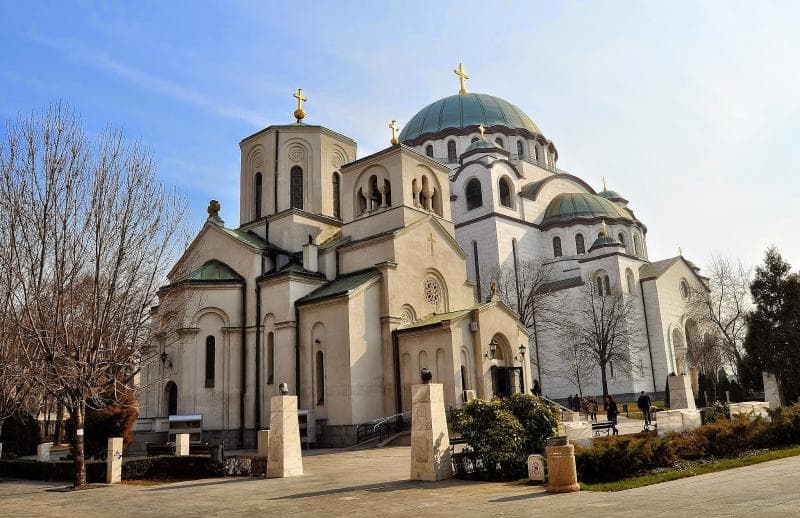
Discover the magnificent Church of Saint Sava in Belgrade, Serbia. Explore its rich history, awe-inspiring Byzantine architecture, and stunning mosaic interiors, a true symbol of Serbian faith and resilience.
Overview
Towering majestically over Belgrade's Vračar plateau, the Church of Saint Sava is not merely a religious edifice; it is a profound symbol of Serbian national identity, faith, and resilience. As one of the largest Orthodox churches in the world, its imposing presence and stunning architecture are visible from nearly every approach to the city, making it an indispensable landmark for any curious traveler. Dedicated to Saint Sava, the revered founder of the Serbian Orthodox Church, this monumental structure invites visitors to explore a rich tapestry of history, spirituality, and artistic grandeur.
History & Cultural Background
The story of the Church of Saint Sava is deeply interwoven with the narrative of the Serbian people. It stands on the very site where, in 1594, Ottoman Grand Vizier Sinan Pasha controversially ordered the burning of the relics of Saint Sava, a deliberate act intended to suppress the Serbian spirit after an uprising. Far from quelling their resolve, this event only solidified Saint Sava's symbolic importance and fueled a long-held aspiration for a magnificent church in his honor. Saint Sava, born Rastko Nemanjić, was a medieval Serbian prince who chose a monastic life, becoming the first Archbishop of the independent Serbian Orthodox Church in 1219. He played a pivotal role in the spiritual and cultural development of Serbia, promoting education and literacy, and establishing the church's autocephaly. The idea for the church's construction first emerged in 1879, with formal plans and fundraising gaining momentum decades later. Groundbreaking finally occurred in 1935, but the tumultuous 20th century, marked by world wars and political upheaval, repeatedly halted progress. The exterior of the church was largely completed by 2004, a significant milestone, while the extensive and intricate interior decoration, particularly the mosaics, was finally finished in 2020.
What Makes It Special
The Church of Saint Sava is an extraordinary example of Serbian-Byzantine architecture, drawing inspiration from the iconic Hagia Sophia in Istanbul. Its massive scale is immediately striking, with a central dome reaching 70 meters high, topped by a golden cross, bringing its total height to approximately 78.3 meters. The exterior is clad in white marble and granite, giving it a luminous and majestic appearance. However, it is the interior that truly sets this church apart. Adorned with stunning mosaics, covering an area of over 15,000 square meters, it ranks among the largest mosaic decorations in any Christian sanctuary worldwide. These mosaics, often incorporating 24-karat gold, depict scenes from the Bible, Christian history, and Serbian saints, with the central dome featuring a breathtaking depiction of Christ Pantocrator. The sheer size and meticulous artistry create an overwhelming sense of reverence and spiritual beauty. Another remarkable feat was the lifting of the 4,000-ton central dome into place in 1989, an incredible engineering achievement that took 40 days.
Stories, Fun Facts & Local Details
The Church of Saint Sava is more than just a place of worship; it is a living monument to the enduring spirit of Serbia. The decision to build it on the precise spot where Saint Sava's relics were burned transformed a tragic event into a powerful testament to national identity and defiance against oppression. The entire construction, which spanned decades, was largely financed through donations, reflecting a deep collective commitment from the Serbian people, both at home and in the diaspora. The mosaics, particularly, were a monumental undertaking, with significant contributions from Russian artists and support, showcasing a shared Orthodox heritage. The church complex also includes a crypt beneath the main temple, which is fully decorated with frescoes and mosaics, offering a more intimate yet equally impressive spiritual experience. This lower level often provides a striking contrast to the vast openness of the main nave, with its own rich artistic and spiritual atmosphere. The surrounding Vračar plateau is also a significant cultural space, encompassing the National Library of Serbia and monuments, further cementing the area's importance to Serbian heritage.
Visitor Perspective
Visiting the Church of Saint Sava is an experience that resonates deeply with many. As you approach, the church's immense scale and pristine white facade, especially when illuminated at night, are truly awe-inspiring. Stepping inside, the vastness of the nave and the sheer artistry of the mosaics can leave visitors hushed with wonder. Each piece of the golden and vibrant mosaics is carefully placed, creating a breathtaking visual narrative that envelops the space. The crypt, located beneath the main church, is a must-see for its artistic richness and contemplative atmosphere, providing a different perspective on the church's spiritual depth. While exploring, remember to dress modestly as a sign of respect for this sacred site, covering shoulders and knees. The tranquil atmosphere within and around the church offers a peaceful retreat from the city's hustle, encouraging reflection. If possible, a visit during the morning or late afternoon can provide a quieter, more reflective ambiance, allowing for a deeper appreciation of this magnificent symbol of Serbian faith and culture.
Coordinates: 20.4685389, 44.79806
View on Google Maps💬 How Travelers Describe This Place
Based on community votes
Unique
853Photogenic
639Beautiful
190Interesting
93Must See
32
Traveler Stories
Discover memorable experiences shared by travelers who have visited this place.
No traveler stories yet.
Be the first traveler to share what made this place memorable.
Things to see at Church Of Saint Sava



Tour
By
Spot
Discover amazing places around the world. Your journey starts here.
Explore
© 2026 TourBySpot. All rights reserved.