Treasury
Belgrade, Serbia
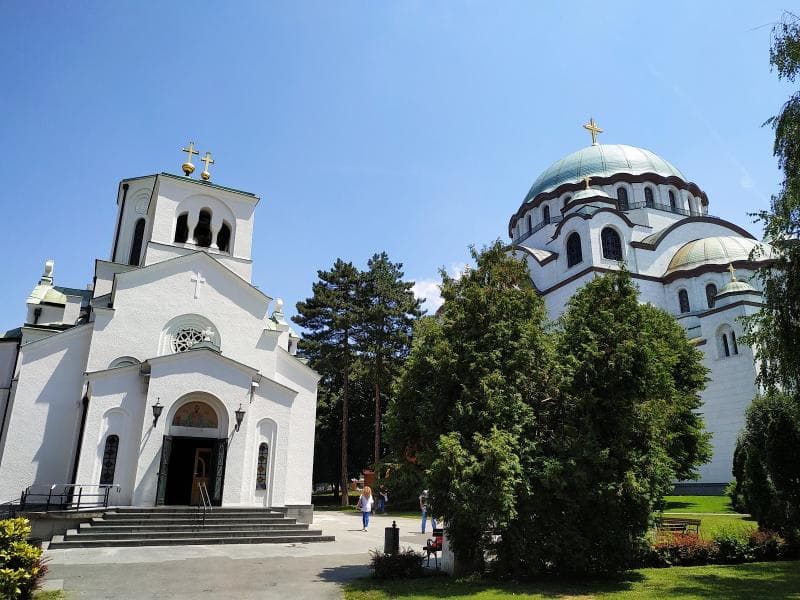
Explore the Treasury within the Crypt of Saint Sava Church in Belgrade, Serbia. Discover rich history, Byzantine art, and sacred artifacts.
Overview
Deep beneath the majestic Church of Saint Sava in Belgrade, Serbia, lies a profound spiritual and historical experience: the Crypt, which houses the Treasury of the Serbian Orthodox Church. While the main Temple captivates with its monumental scale and dazzling mosaics, the underground sanctuary offers an intimate journey into the heart of Serbian Orthodoxy and its rich heritage. The Crypt, a significant part of the church's completed interior, serves not only as a place of worship dedicated to Saint Hieromartyr Lazar but also as an exhibition space safeguarding invaluable ecclesiastical artifacts and documents.
Visitors descending into this subterranean world are greeted by a breathtaking display of Byzantine-style art, intricate frescoes, and golden embellishments that create an atmosphere of reverence and historical depth. The Treasury, as an integral component of this crypt, presents a collection of religious relics, precious liturgical items, and historical documents, offering tangible links to the spiritual lineage and cultural struggles of the Serbian people. It is a space designed to enlighten and emotionally connect visitors with centuries of faith and tradition.
History & Cultural Background
The Church of Saint Sava itself stands as a powerful symbol of Serbian national identity, erected on the very spot where the relics of Saint Sava, the founder of the Serbian Orthodox Church, were believed to have been burned by the Ottoman Grand Vizier Sinan Pasha in 1594.
The construction of the church was a monumental undertaking, spanning decades due to wars and political turmoil, with the interior finally completed in 2020.
The Crypt, located beneath the main altar, is dedicated to Saint Hieromartyr Lazar, a significant figure in Serbian history, especially tied to the Battle of Kosovo. This underground space was conceived not merely as a functional area but as a spiritual and cultural hub. Its design, steeped in Neo-Byzantine tradition, echoes the grandeur of early Christian art while offering a distinct, hallowed environment. The decision to include a Treasury within the crypt underscores the desire to preserve and display the material heritage of the Serbian Orthodox Church, intertwining it with the spiritual purpose of the crypt itself.
What Makes It Special
What truly sets the Crypt and its Treasury apart is the fusion of spiritual devotion with artistic mastery and historical preservation. The Crypt is richly adorned with frescoes and mosaics, meticulously crafted by master artists, that cover vast surfaces, creating an immersive experience.
The imagery includes depictions of apostles, martyrs, and saints, all enveloped in a dominant palette of gold and rich colors, which reflect the classical Palaeologan-era tradition of gold mosaics.
Within this visually stunning setting, the Treasury acts as a guardian of the Serbian Orthodox Church's most cherished possessions. These 'treasures' are not merely monetary but hold immense spiritual and cultural value, representing the continuity of faith and the resilience of a nation through centuries. The collection allows visitors to glimpse artifacts that have survived periods of immense challenge, each piece telling a story of devotion, artistry, and historical endurance. This combination of sacred art and preserved heritage makes the Crypt and its Treasury a unique and deeply moving space within the larger Church of Saint Sava complex.
Stories, Fun Facts & Local Details
The Crypt of Saint Sava is not solely a static museum; it is a living, breathing part of the church. Beyond its role as an exhibition area for the Treasury, it also functions as a burial church for Serbian patriarchs and a versatile space for various cultural events, including concerts and exhibitions, owing to its exceptional acoustics.
The crypt is an independent underground area with four entrances, showcasing its thoughtful architectural planning.
Local lore and reviews often highlight the awe-inspiring experience of standing amidst the elaborate Serbian-Byzantine paintings, with visitors frequently praising the ambiance of peace and tranquility found there. The sheer scale of the artistry, coupled with the profound historical context of Saint Sava and the Serbian Orthodox Church, weaves a compelling narrative for every visitor. The Treasury's items serve as silent witnesses to pivotal moments in Serbian history, connecting the ancient past with the present devotion.
Visitor Perspective
For any traveler to Belgrade, a visit to the Church of Saint Sava is incomplete without exploring its Crypt and the Treasury within. The entrance to the Crypt and Treasury often requires a small ticket, which can typically be purchased on-site.
It is advisable to visit during weekdays or late afternoons to avoid the crowds, particularly during Sunday morning liturgies when access might be restricted.
Modest dress is appreciated, with shoulders and knees covered, out of respect for the sacred space.
The visual impact of the mosaics and frescoes in the Crypt is often described as breathtaking, offering an unparalleled opportunity to engage with Serbian religious art and history up close. While the grandiosity of the main church is undeniable, the intimate, intricately decorated environment of the Crypt and its Treasury provides a profound sense of cultural immersion and spiritual reflection, leaving a lasting impression on those who venture beneath the magnificent dome.
Coordinates: 20.4685389, 44.79806
View on Google Maps💬 How Travelers Describe This Place
Based on community votes
Unique
853Photogenic
639Beautiful
190Interesting
93Must See
32
Traveler Stories
Discover memorable experiences shared by travelers who have visited this place.
No traveler stories yet.
Be the first traveler to share what made this place memorable.

Tour
By
Spot
Discover amazing places around the world. Your journey starts here.
Explore
© 2026 TourBySpot. All rights reserved.