Mosaics
Belgrade, Serbia
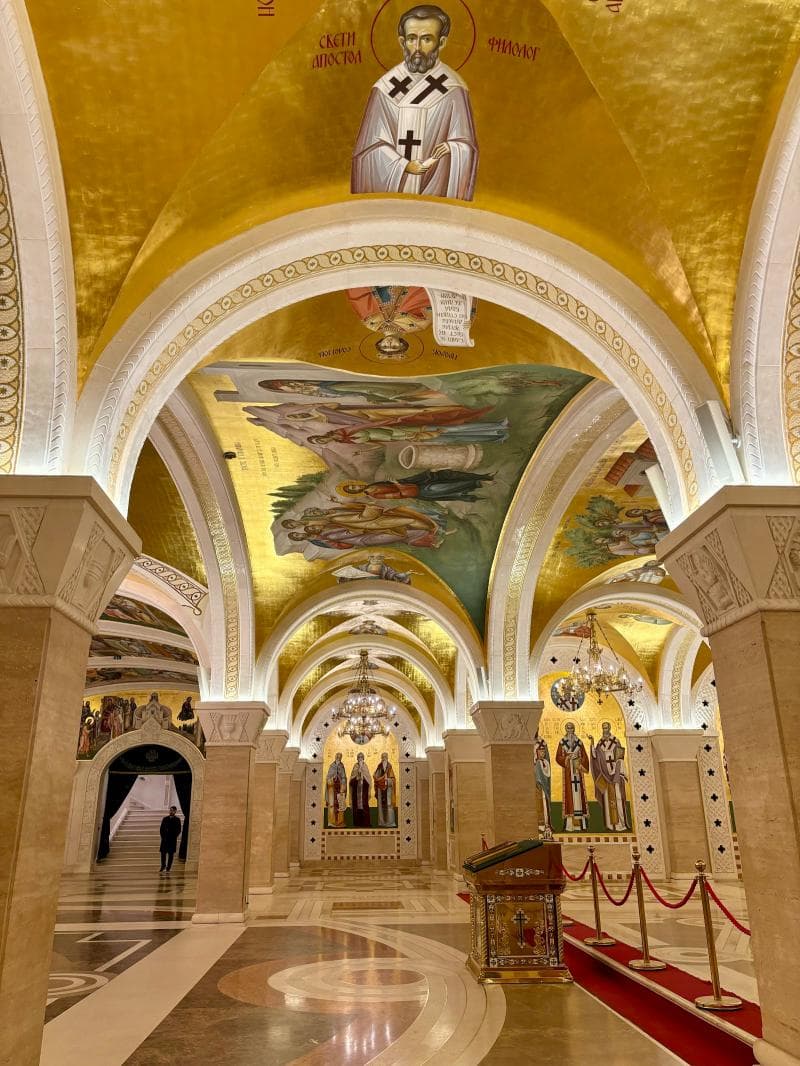
Discover the awe-inspiring mosaics of the Church of Saint Sava in Belgrade, Serbia. Explore the history, artistry, and cultural significance of these radiant Byzantine-style masterpieces.
Overview
Stepping into the Church of Saint Sava in Belgrade, Serbia, is to enter a realm where light, color, and devotion converge in an overwhelming display of mosaic artistry. Dedicated to Saint Sava, the revered founder of the Serbian Orthodox Church, this architectural marvel is not only one of the largest Orthodox churches globally but also home to the largest mosaic surface in Christendom. These radiant mosaics, shimmering with millions of tesserae, transform the vast interior into a breathtaking canvas of spiritual narratives and sacred iconography, drawing visitors into a profound experience of Orthodox tradition and Serbian heritage.
History & Cultural Background
The journey of the mosaics within the Church of Saint Sava is deeply intertwined with the church's prolonged construction history, spanning decades of interruptions due to wars and political turmoil. While the exterior of the church was largely completed by 2004, the monumental task of adorning its interior with mosaics commenced much later, primarily in the 2010s. The interior decoration, including these magnificent mosaics, was finally completed in 2020, marking a significant milestone in the church's centuries-long endeavor. The church itself stands on the sacred ground where the relics of Saint Sava were reputedly burned by the Ottoman authorities in 1595, making its every stone, and certainly its every mosaic, a testament to Serbian resilience and enduring faith.
What Makes It Special
The mosaics of the Church of Saint Sava are truly extraordinary, not merely for their beauty but for their sheer scale and intricate craftsmanship. Covering an astounding area of approximately 15,000 to 17,000 square meters, they constitute the largest mosaic surface in the Christian world. This colossal undertaking involved around 5 million individual tesserae, many crafted with real 24-karat gold leaf sandwiched between layers of glass, giving them an unparalleled luminescence. The main dome alone, inspired by the Byzantine grandeur of the Hagia Sophia, houses the awe-inspiring image of Christ Pantocrator ('Ruler of All'), a figure of monumental proportions surrounded by angels and apostles. This central mosaic, weighing 40 tons, is a masterpiece of modern sacred art.
Stories, Fun Facts & Local Details
The creation of these mosaics was a monumental international collaboration, primarily led by the renowned Russian iconographer and sculptor Nikolay Mukhin. A dedicated team of 70 to 350 Serbian and Russian artists meticulously assembled these vibrant depictions, working for years to bring the spiritual visions to life. The project received substantial financial support from both the Serbian and Russian governments, with significant contributions from the Russian energy giant Gazprom Neft, symbolizing the strong cultural and spiritual ties between the two nations. A remarkable engineering feat occurred in 1989 when the church's central dome, weighing approximately 4,000 tons, was successfully lifted into place as a single piece, setting the stage for the mosaicists to later adorn its interior. The crypt beneath the main church is another hidden gem, also adorned with stunning gold and blue mosaics, offering a solemn and equally beautiful visual experience.
Visitor Perspective
For any traveler to Belgrade, a visit to the mosaics of the Church of Saint Sava is an unforgettable encounter. The sheer scale and brilliance of the mosaic work are designed to inspire awe and spiritual reflection. As you step inside, the golden glow of the mosaics envelops you, portraying biblical scenes, figures of saints, and moments from Serbian history with incredible detail and emotional depth. The monumental depiction of Christ Pantocrator in the main dome draws the eye upwards, creating a profound sense of the divine presence. The meticulous craftsmanship, echoing the classical Palaeologan-era tradition, makes every glance a discovery. It's an experience that transcends mere sightseeing, offering a powerful connection to centuries of Orthodox faith and artistic endeavor.
Coordinates: 20.468539, 44.79806
View on Google Maps💬 How Travelers Describe This Place
Based on community votes
Unique
898Interesting
667Must See
618Beautiful
308Photogenic
32
Traveler Stories
Discover memorable experiences shared by travelers who have visited this place.
No traveler stories yet.
Be the first traveler to share what made this place memorable.

Tour
By
Spot
Discover amazing places around the world. Your journey starts here.
Explore
© 2026 TourBySpot. All rights reserved.